
Bloober Team is a development team specializing in "horror." Starting with 2016's Layers of Fear, which brought them wider recognition, the continuation included titles such as Observer and The Medium, noteworthy productions, but lacking that "something" in the gameplay to make them stand out. That "something" was found in last year's remake of Silent Hill 2, where Bloober Team proved that it could rise to the challenges of a survival horror game, even if the framework was more or less already in place and the Poles simply had to fit their piece into the puzzle. Essentially, Cronos: The New Dawn is the first real test in which the development team is called upon to present a new IP, "playing ball" in a genre that is anything but easy. Will they succeed?
The basic story behind Cronos: The New Dawn is quite interesting, at least on paper. The plot revolves around "Change," a subversive event that took place in a steel mill in Krakow in the fateful year of 1981. The event was named "Change" because from that moment on, the world ceased to exist as we know it today. A highly contagious virus of unknown origin infected some of the steel mill workers, who exhibited extremely aggressive behavior. So extreme that they ceased to resemble intelligent beings and resembled monsters trying to exterminate everything uninfected, while at the same time showing a strange "devotion" to those who had already been infected. Soon the situation spiraled out of control, with the Krakow government failing to assess the situation correctly, resulting in the virus escaping the quarantine.
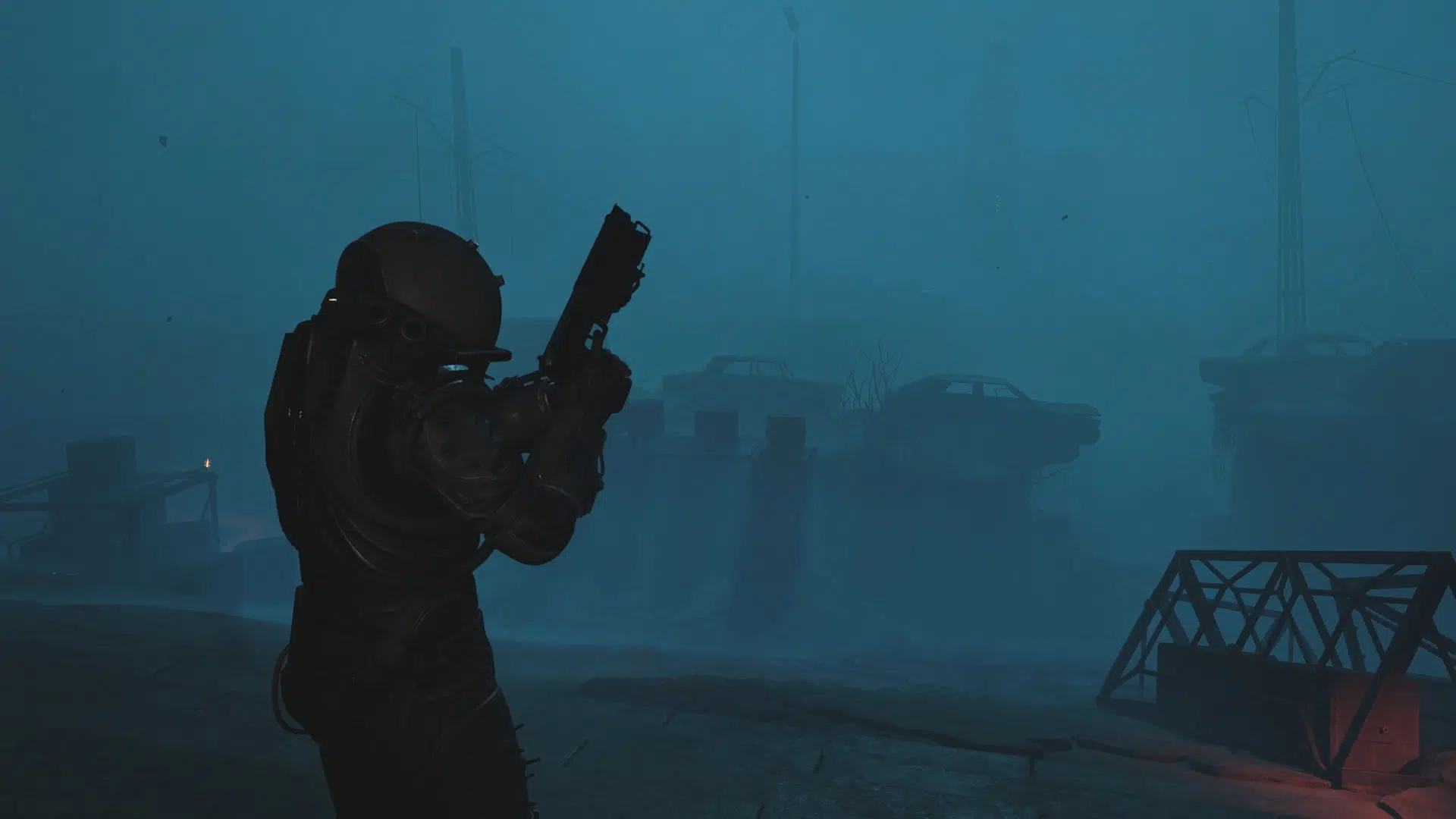
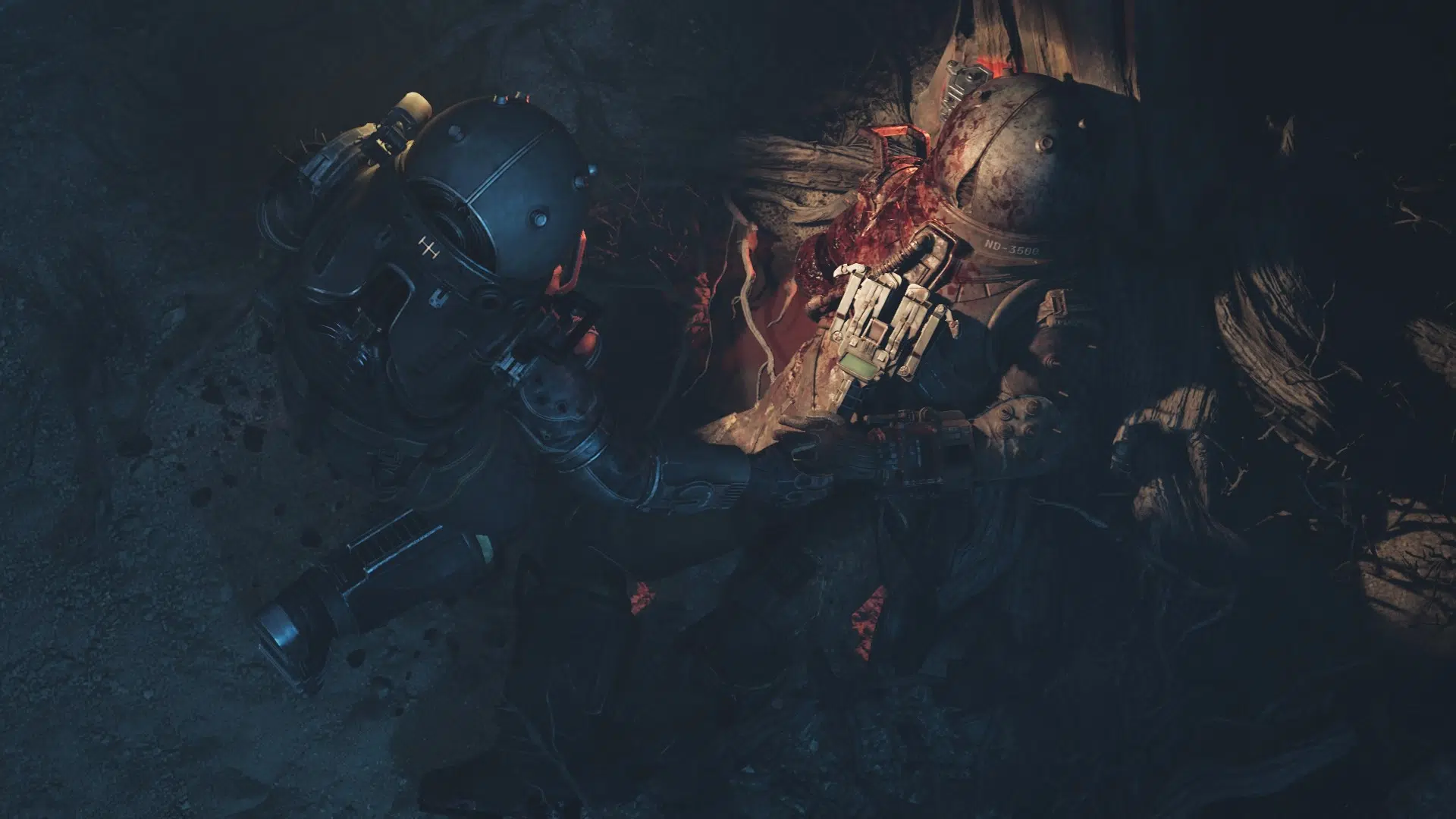
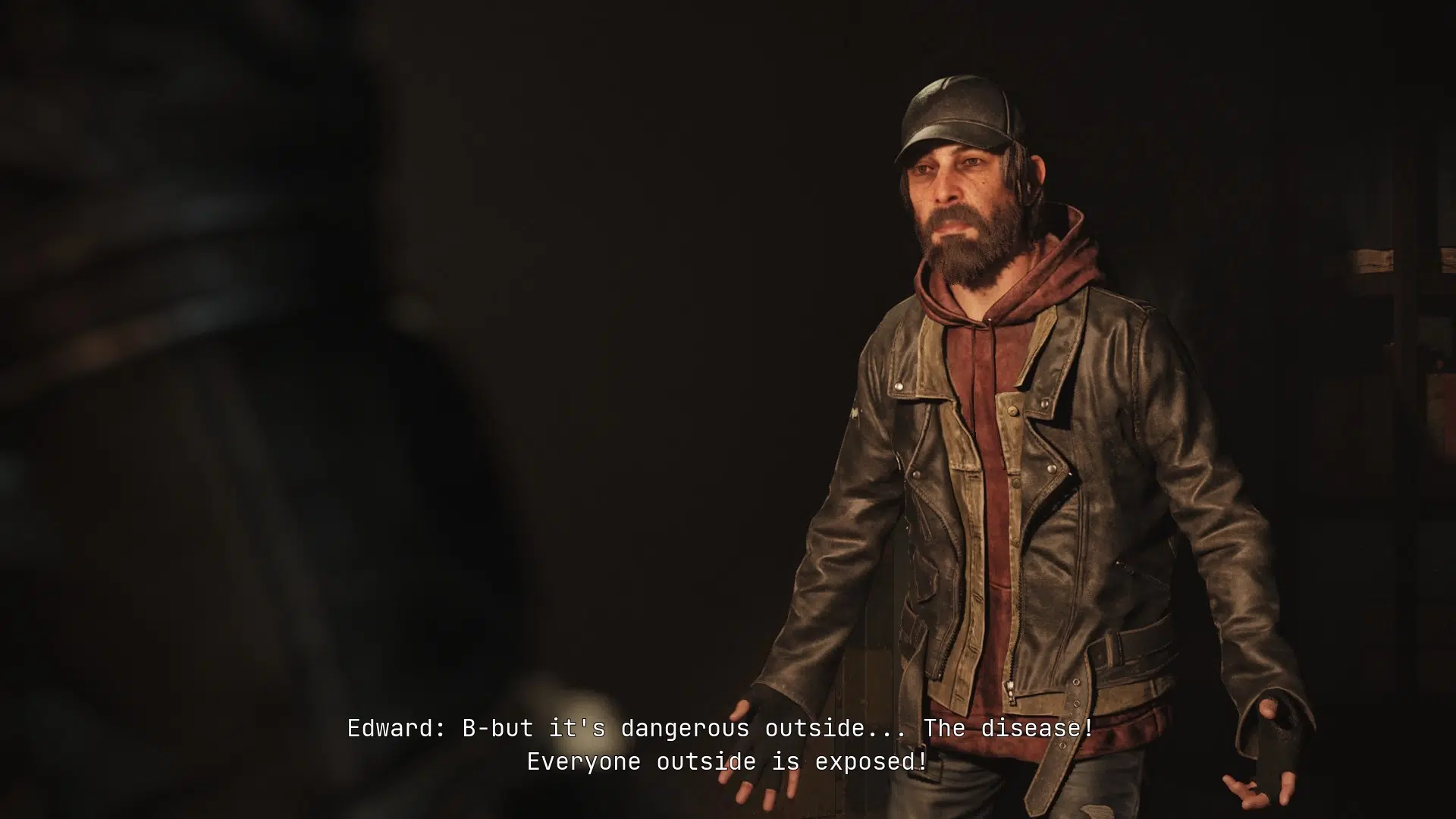
Fast forward to the (distant) future, with the protagonist ND-3576 being a Traveler, a specially trained agent who undertakes missions involving time travel on behalf of the Collective team. What exactly the Collective is remains unclear, as the game does not provide sufficient explanations — as, unfortunately, is the case with several other elements that remain in the realm of the "inexplicable" or even the "abstract." This is one of the most serious flaws of Cronos: The New Dawn, as the story, however interesting it may be in the way it unfolds (cutscenes, notes, recordings), fails to provide answers to the reasonable questions of the players. We are not sure if this was done deliberately, with the prospect of providing more information in a possible sequel/prequel, but as a standalone game, Cronos leaves quite a few questions unanswered.
So, we're mainly here to help ND-3576 figure out the "essence" of some people who lived back then, hoping to make the events that led to the "Change" easier to understand, but also the possibility of preventing it. Of course, all this unfolds under the veil of survival horror, which combines the difficulty and mechanics of older titles of the genre with a dose of contemporary approach.
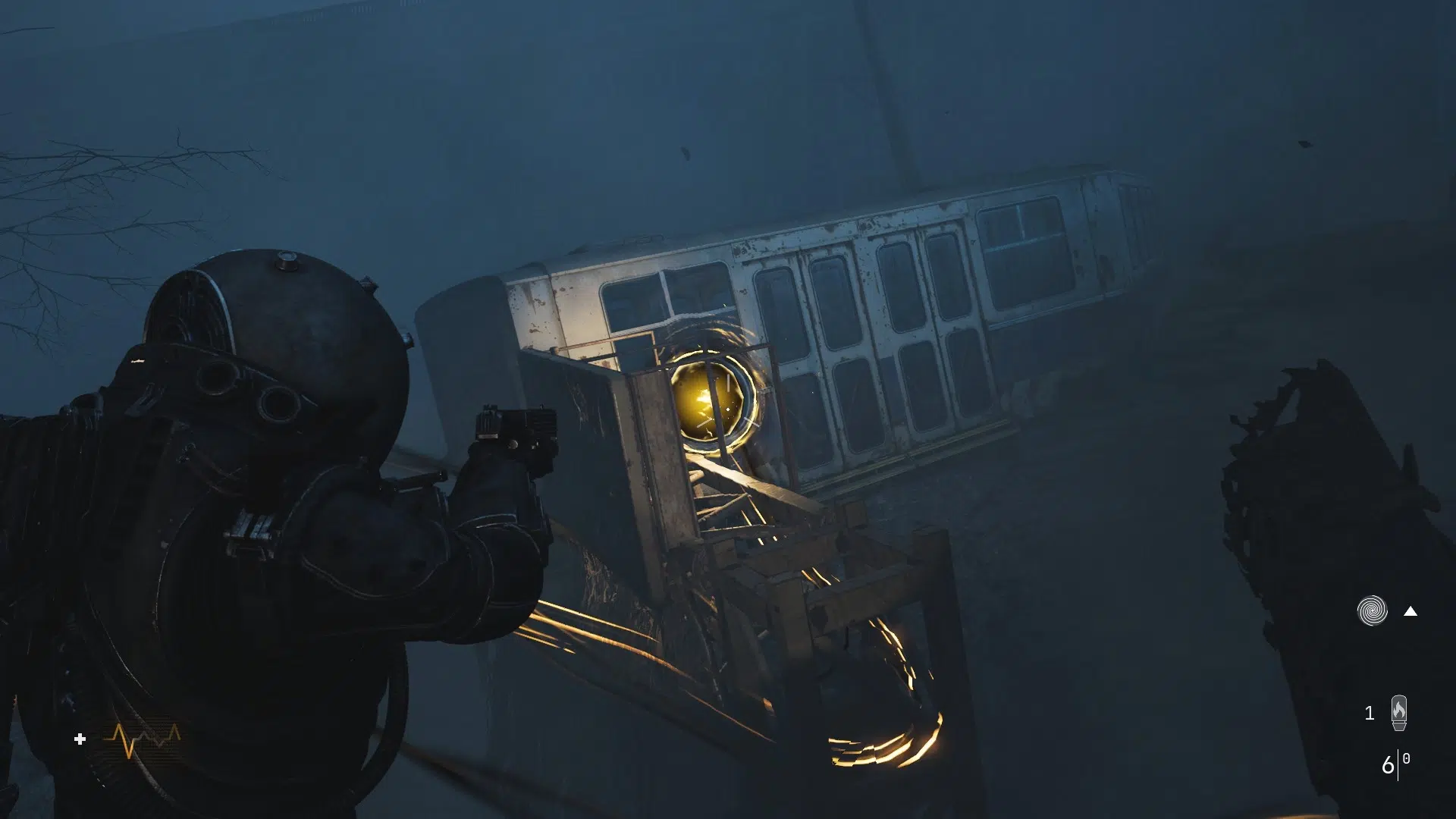
By "contemporary approach," we mean the third-person perspective, clearly influenced by Dead Space (after all, that's what we all said when we saw the initial gameplay trailer), but also by the corresponding Resident Evil games (RE2 Remake, RE4). However, Cronos leans more towards Capcom titles, as it places greater emphasis on resource management than on combat itself. This does not mean that there is a lack of action – quite the contrary. It's just that the biggest enemy we have to face each time is the limited ammunition and the suffocatingly restricted inventory. In practice, the game never lets us feel powerful or safe, as battles often leave us with only two or three bullets left in our gun chamber. In case we completely mess up, Cronos does not give us a "free pass": we load an older save and try again.
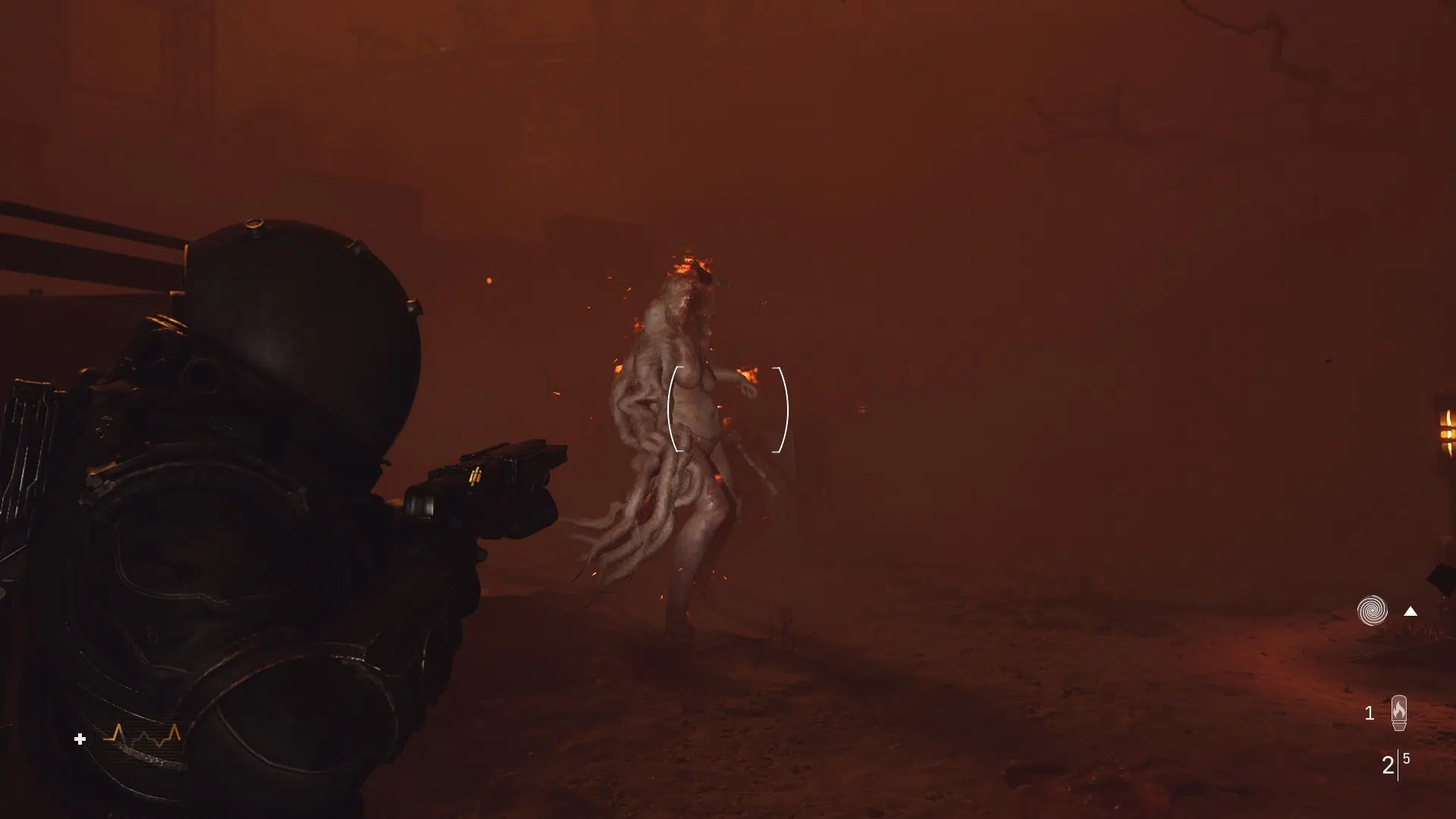
A basic prerequisite for survival is to play by its rules. That is, pay attention to ammunition, avoid combat where possible, and carefully assess the environment to see how we can take advantage of it. For example, simply shooting at enemies (affectionately known as Orphans) is useless: the only effective way to cause damage is with charged shots, ideally aimed at their weak points (head or legs to make them fall).
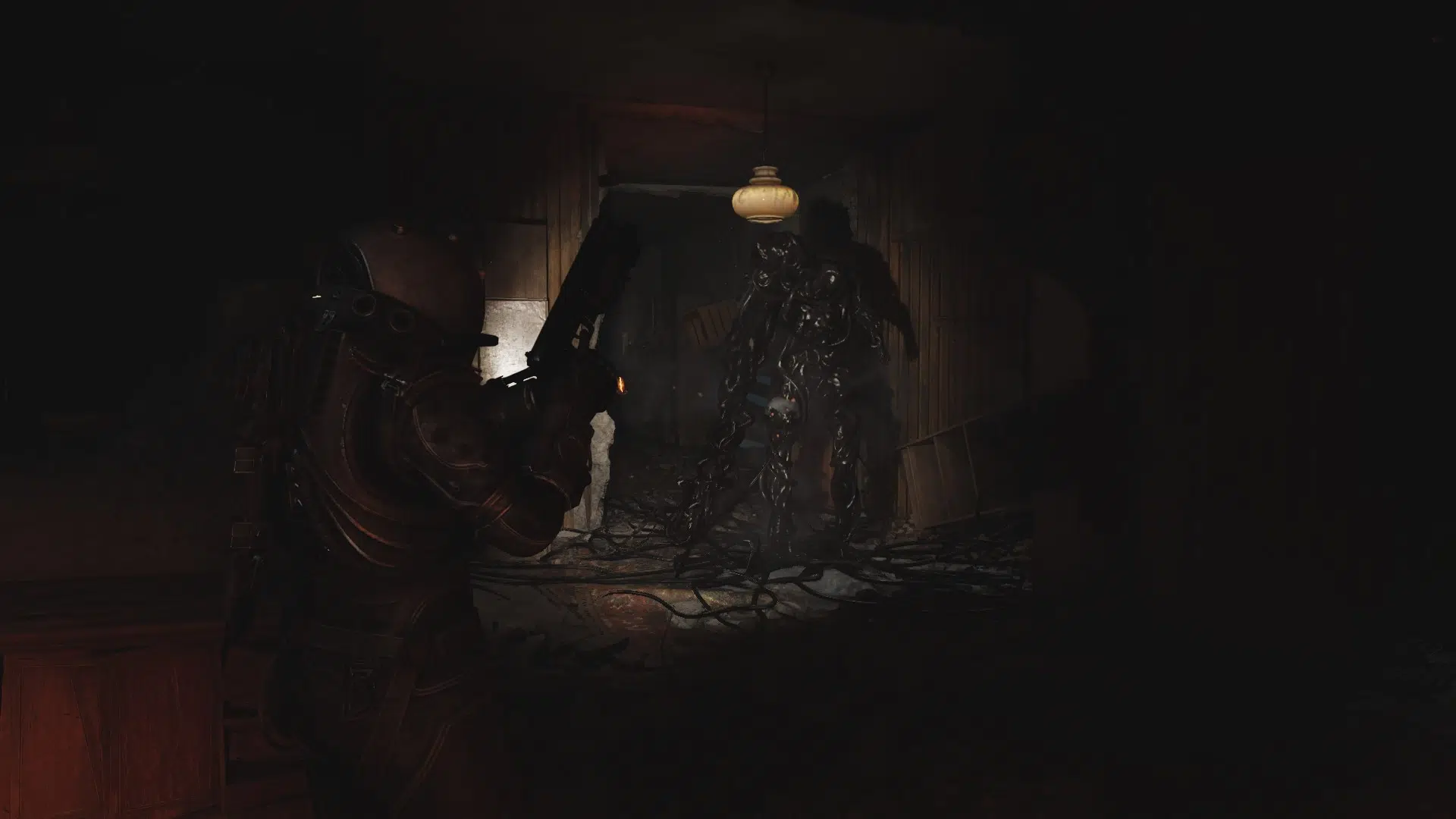
However, charged shots take some time to execute, which can be fatal if we haven't left enough distance between ourselves and our enemy. In addition, we must prevent the Orphans from "merging", that is joining with dead corpses, thus creating new and more powerful forms. Fire is our ally in this, and we must constantly scan the environment for potential sources of explosions (such as LPG bottles), which are crucial both for quickly "clearing" groups of monsters and for conserving ammunition.
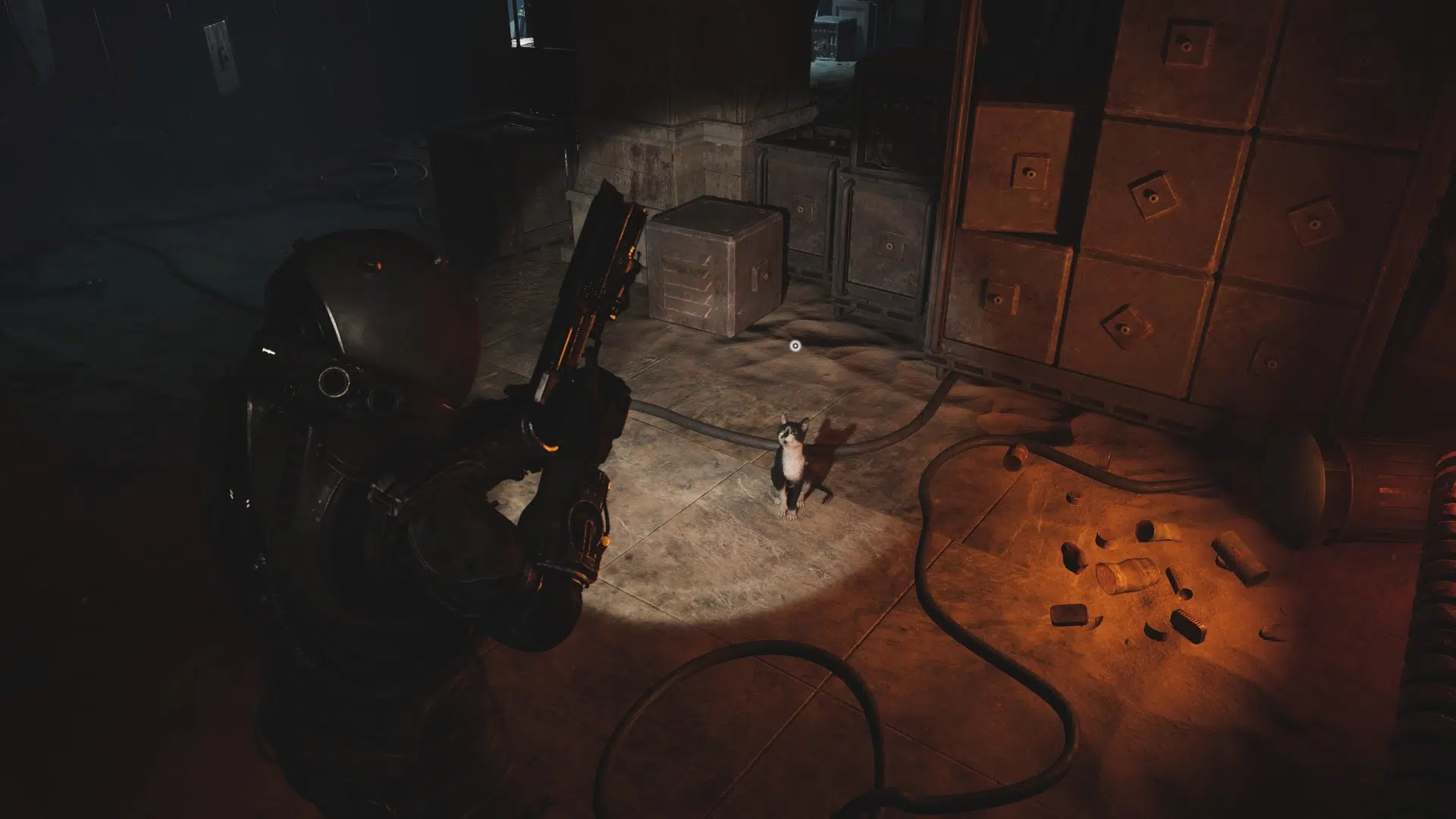
As is customary in games of this genre, the first few hours are quite difficult until we manage to upgrade our heroine. The upgrade mechanism is based on finding Energy modules and Cores. The former are used to improve our weapons (there are seven in total), while the latter, which are often given to us by stray cats that we pet (!), strengthen our armor (and some special gadgets). Upgrades are done exclusively in the various safe rooms we encounter along the way, which fortunately also include a very useful stash, so we don't have to throw anything away. Pro tip: upgrade your inventory as early as possible. The shield can wait a little.
On the contrary, crafting ammunition and health items is done on-the-fly, as long as we have the right materials (there are only two types), which can save us in really critical moments. However, in general, the approach to combat is simply functional, without any innovation (although we wouldn't say no to a dodge/evade button), but beyond that, Cronos: The New Dawn doesn't place any emphasis on high-quality puzzles or brain teasers.
The common denominator of the "puzzles" is to find the key to open the door, reverse gravity (in the style of the original Dead Space) to get to the other side, or use the special beam of our weapon to activate a path that has been "destroyed" by the "Change". Nothing to worry about, and if we get confused about our next step (there is quite a bit of backtracking), there is a compass that can be activated at will and shows us which direction to go.
However, the design of the action is mainly linear, but there are quite a few side paths that sometimes are worth following, and sometimes are not. What do we mean by this? There are times when the loot we acquire is less than what we had to spend (e.g., ammunition) to obtain it, so... "no thanks." It is worth noting that there is a mechanism that "realizes" what materials we are missing (ammunition or health) and provides them to us, but it does so sparingly. In general, we did not encounter any serious difficulties in progressing through the game, apart from a few battles and certain bosses. The folks at Bloober Team have done a good job and seem to have studied the "manual" of good survival horror thoroughly.
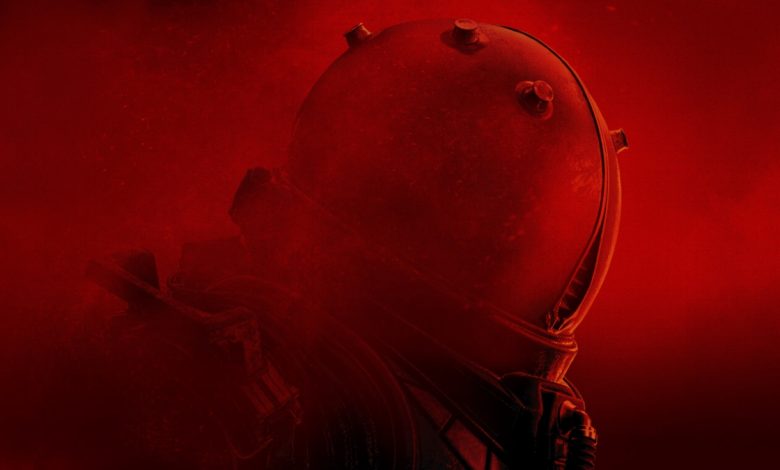
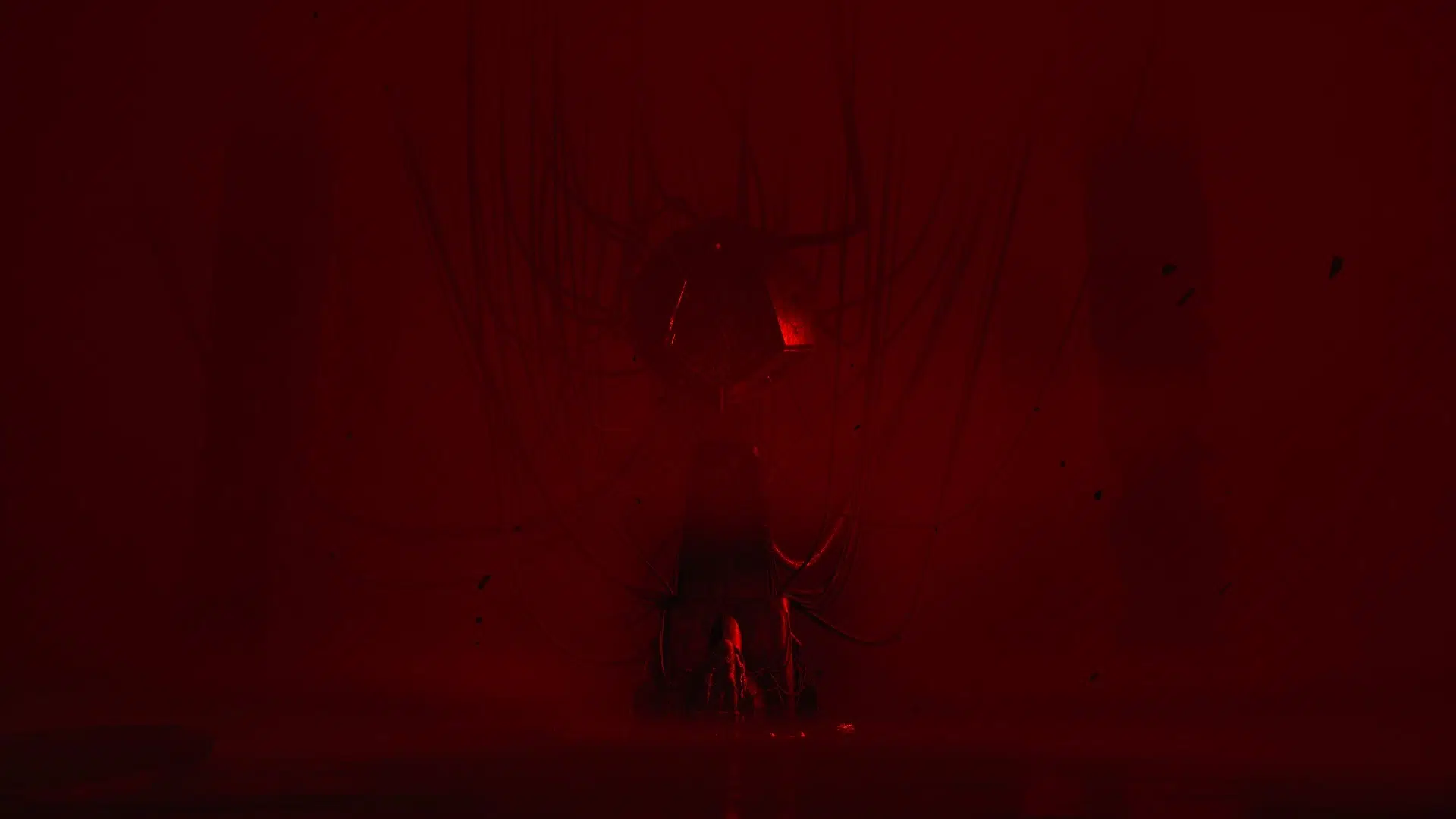
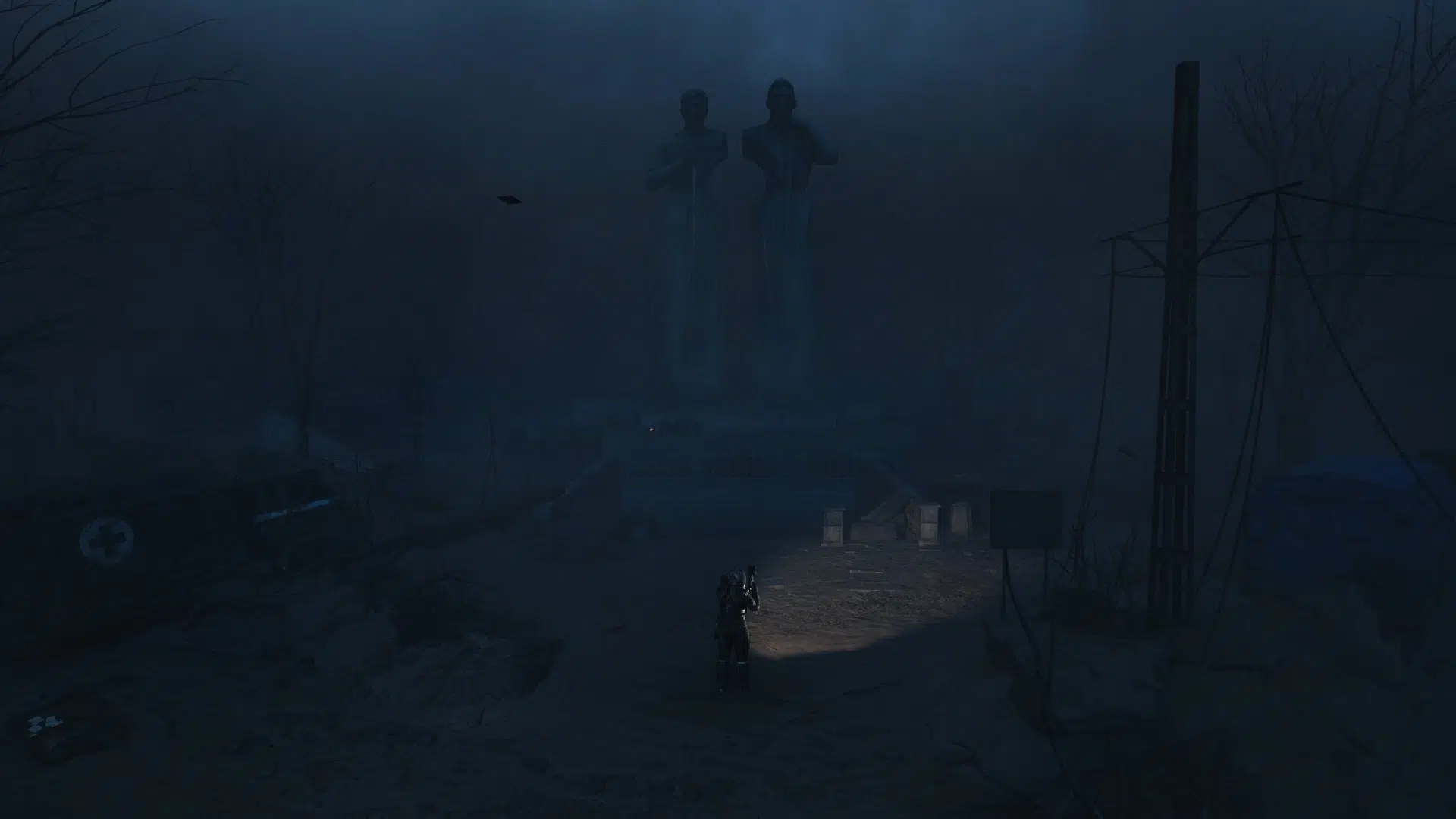
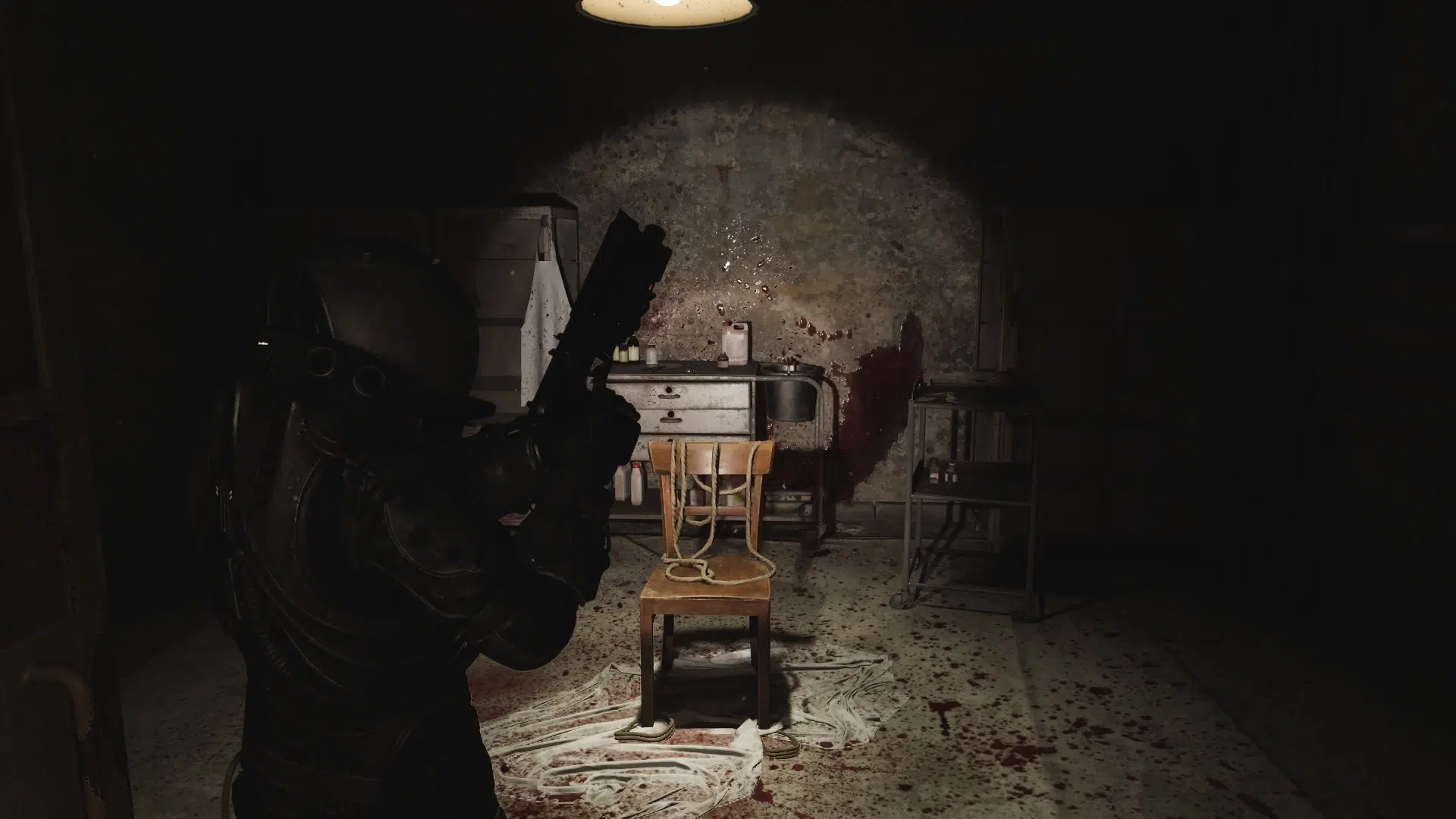
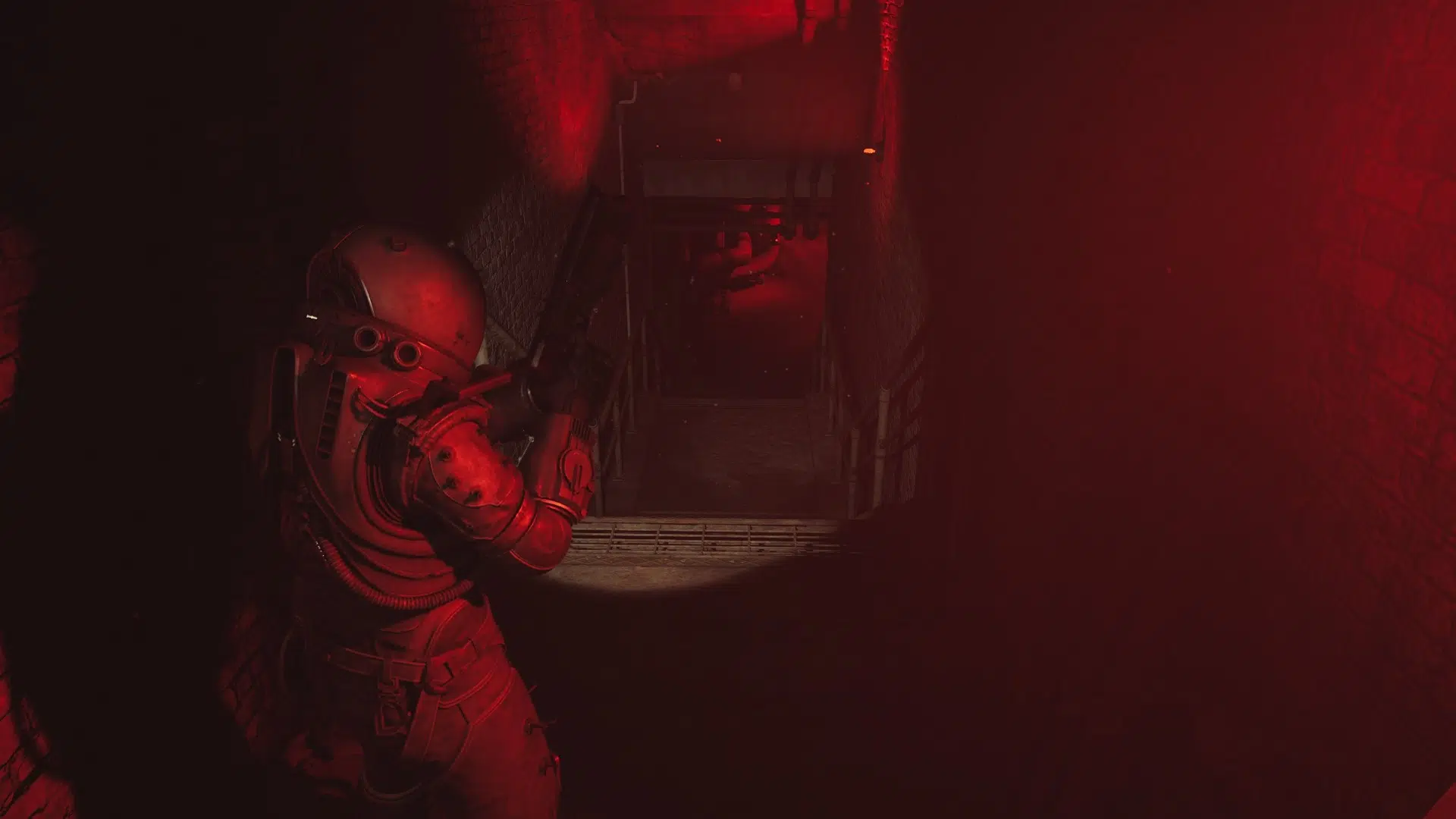
Moreover, it is evident from the exceptional atmosphere of the game. The muddy colors, the sparse lighting that comes mainly from our flashlight, the claustrophobic corridors, the depressing depiction of destroyed Krakow that convinces you that you are there (even the writings on the walls are in Polish), combined with the chilling screams of monsters, create an experience that is difficult to bear if one dares to play at night with headphones on.
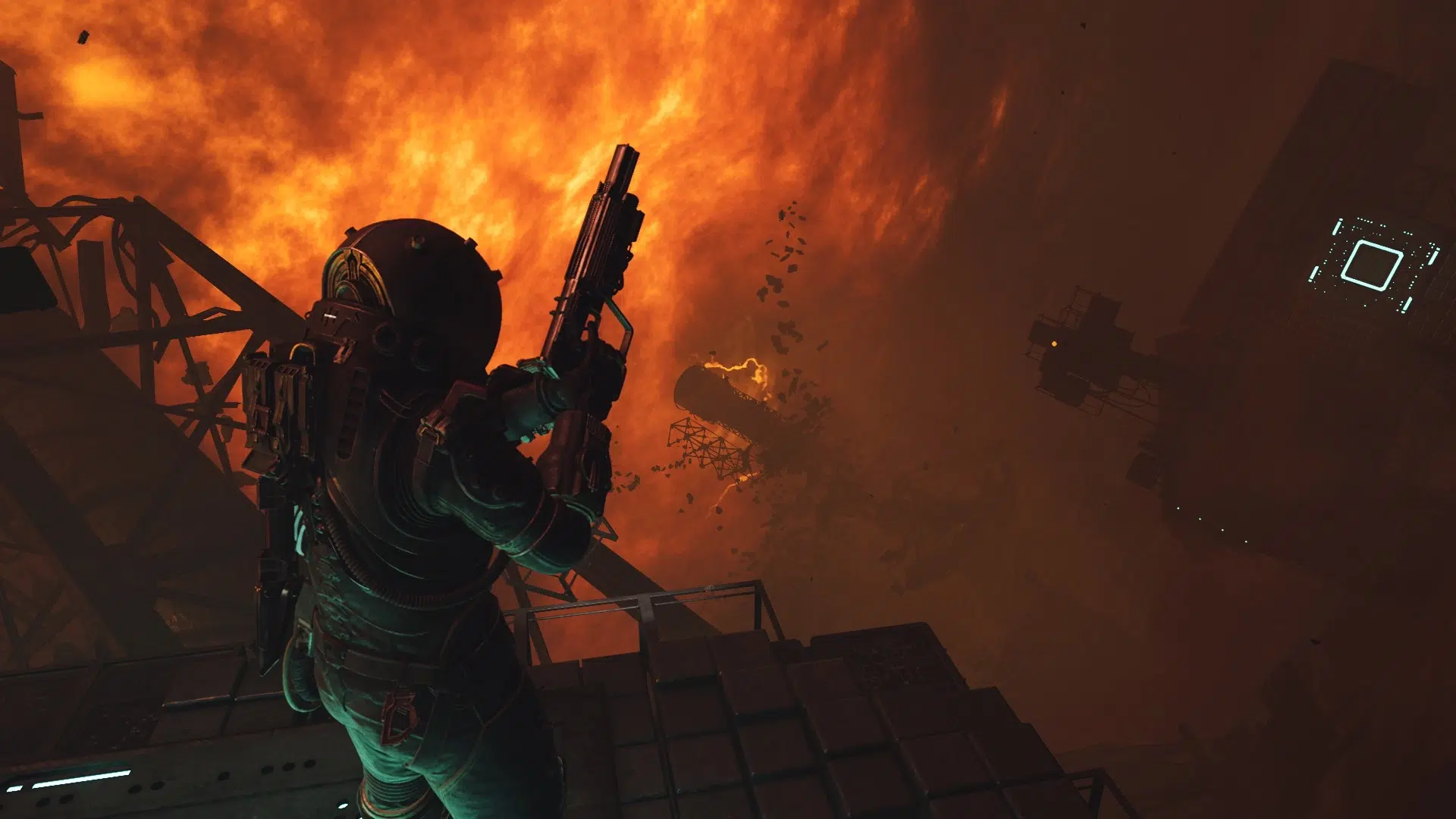
One of the pros is that the jump scares are few but effective, as the atmosphere of terror is built up gradually, without resorting to cheap tricks to "scare" the player. However, we must mention that after the middle of the game (an average playthrough takes 16 to 17 hours), repetition sets in, as we have already seen most of what the game has to offer, whether in terms of action design or monster types. Perhaps some trimming was needed in places, but overall, the game remains satisfying in terms of length.
On the technical side, Cronos: The New Dawn runs on Unreal Engine 5, which means it's a pretty good-looking game, but it's not without its classic "ailments," such as some traversal stutters (fortunately not serious). On the other hand, the animation of the Orphans is not impressive, being somewhat jerky, although their repulsive, "sick" appearance largely compensates for this feeling. One of the very positive aspects is the synth soundtrack, which perfectly captures the 80s aesthetic and plays at just the right moment without distracting from the action.
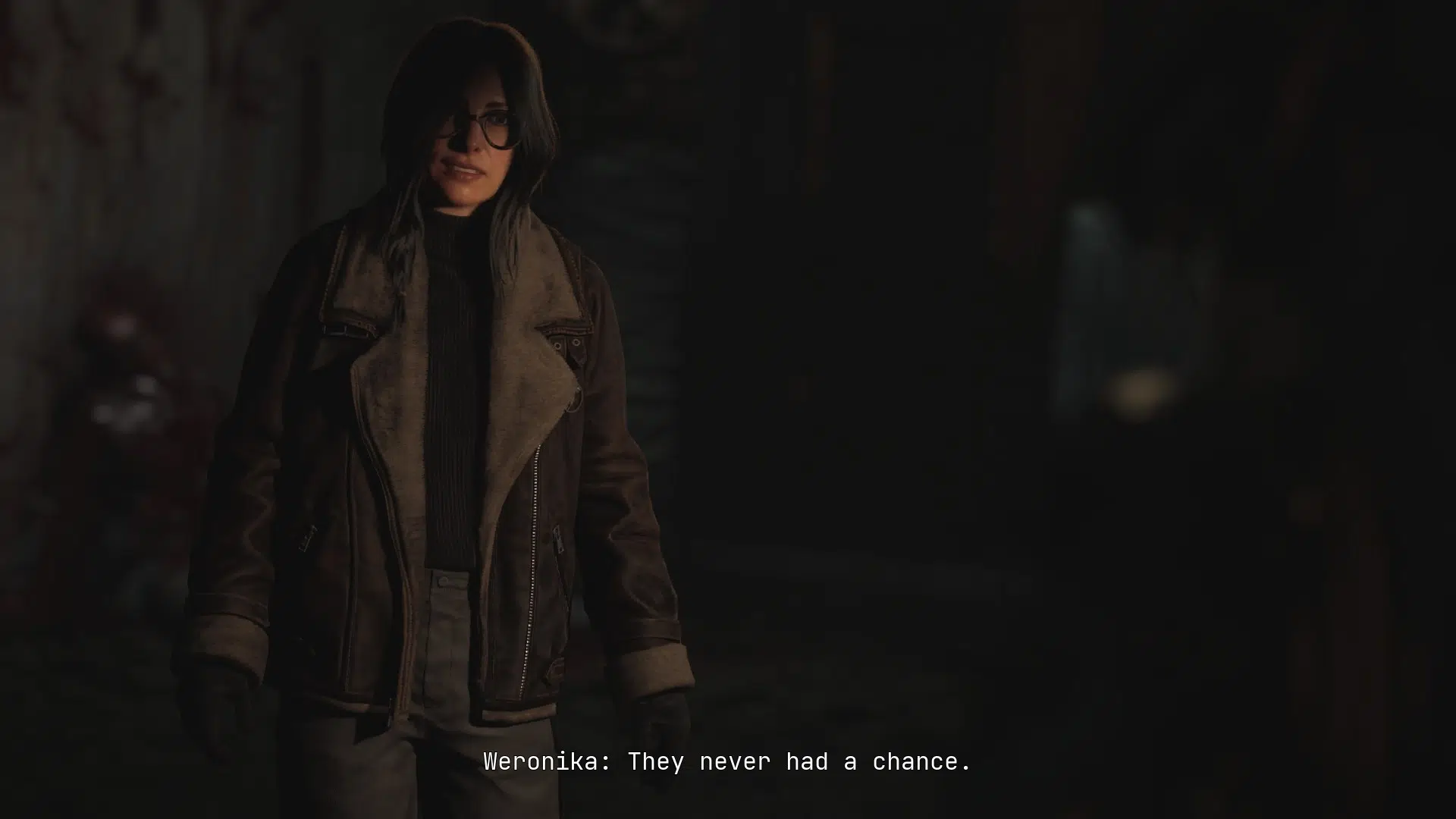
Cronos: The New Dawn is a very good choice for the survival horror genre fans. Its old-fashioned mechanics may discourage some players, while certain elements could definitely be improved, such as the scriptwriting, the puzzles, and some technical issues. Nevertheless, the work has been done satisfactorily, and we await Bloober Team's next step with great interest.
We would like to express our sincere gratitude to Bandai Namco for providing the review code.
RATING - 80%
80%
Such is our calling
A noteworthy survival horror game, whose somewhat old-school mechanics and vague storyline prevent it from truly shining.