
The history of Ninja Gaiden goes back many years, to 1988. Although the original and its sequels were mostly great on consoles, some versions were also released for PCs at the time, in magnificent CGA graphics. When its transition to 3D was successfully implemented around 2004, Ninja Gaiden gained many more fans, and was considered something akin to today's Dark Souls in terms of its high level of challenge.
In general, the older Ninja Gaiden, as products of their time, were "unfair" to players. However, times have changed and now "cheap" difficulty tactics have no place in modern gaming. Something that The Game Kitchen (Blasphemous) and Dotemu (SOR4) understood, as their decision to create Ninja Gaiden: Ragebound as a tribute to its predecessors was accompanied by a well-balanced implementation of its gameplay. Let's take things from the beginning.
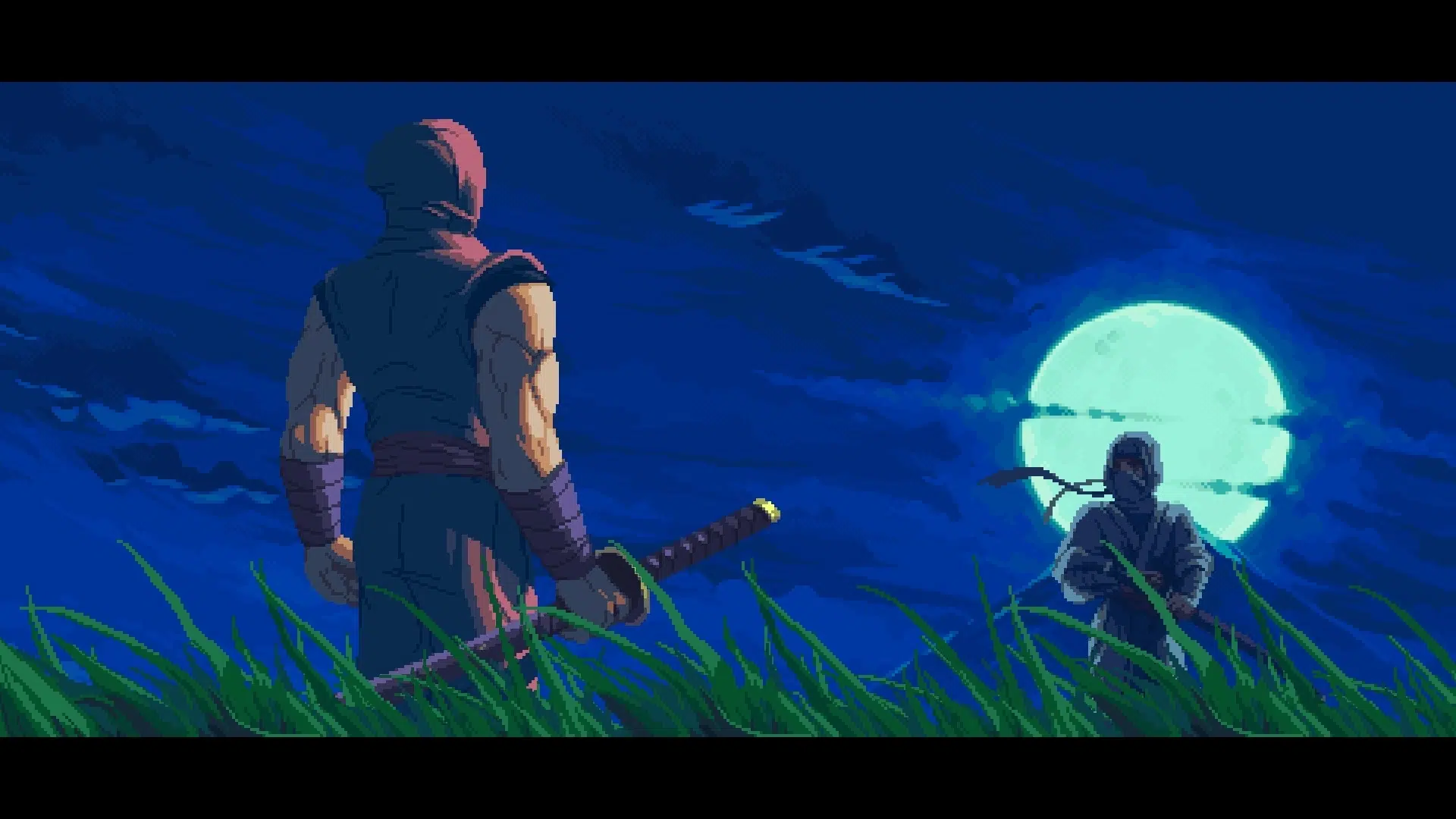
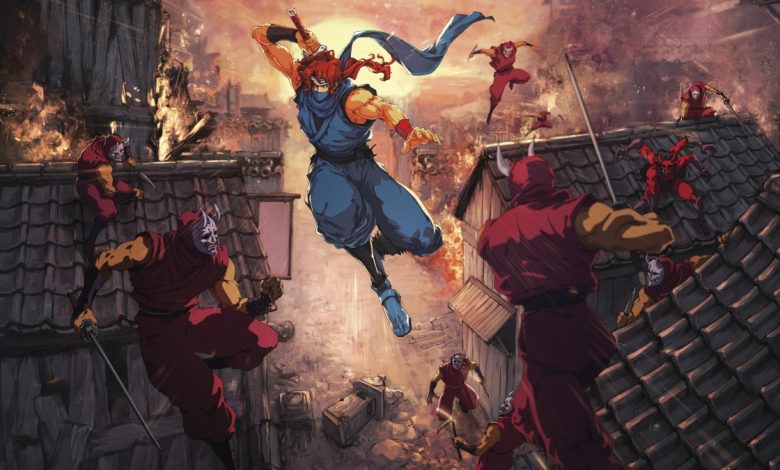
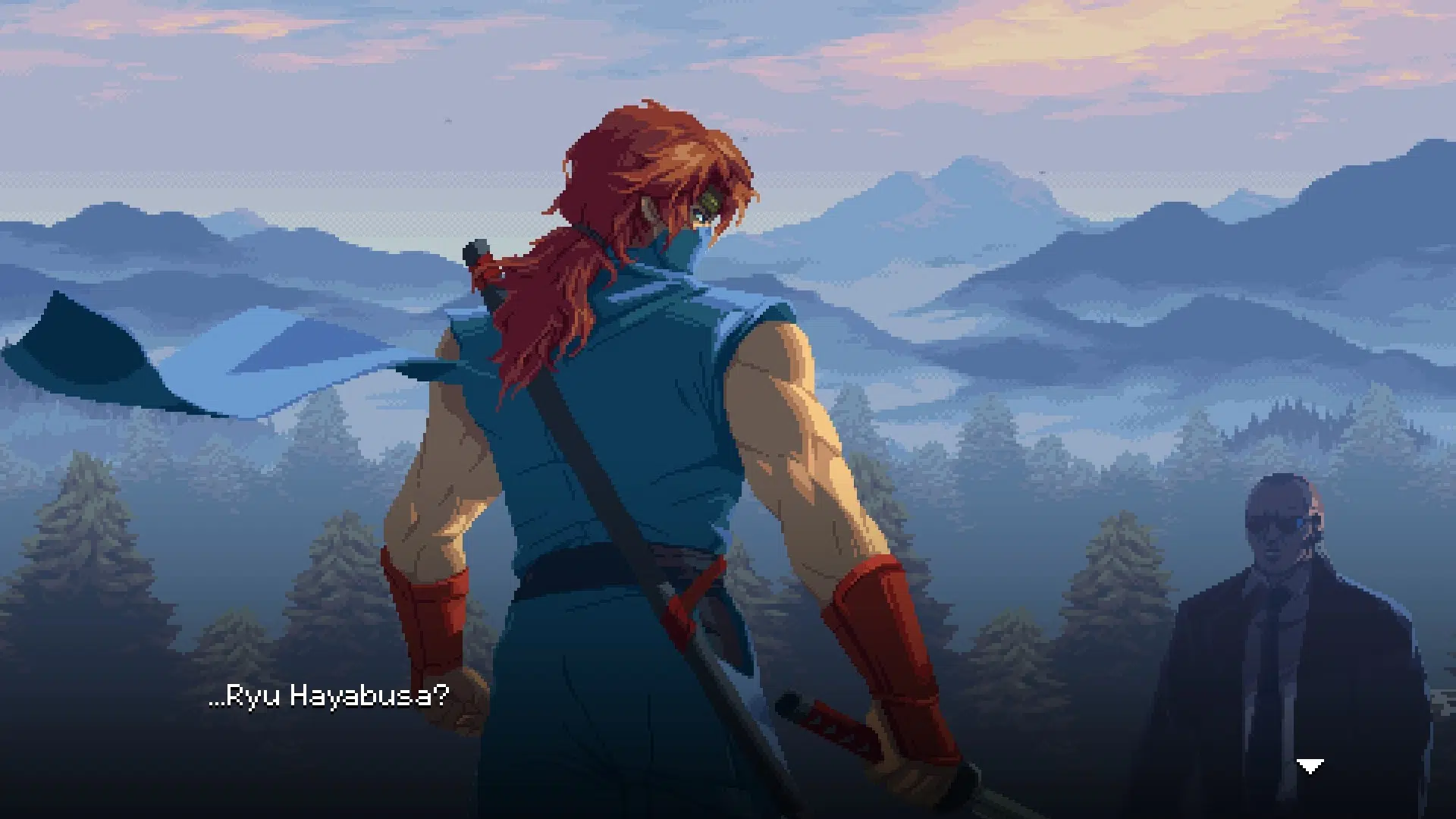
Ninja Gaiden: Ragebound is a spin-off of the "regular" Ninja Gaiden series, as the protagonist is not Ryu Hayabusa, but one of his trainees, Kenji Mozu of the Hayabusa Clan. The plot involves demons trying to enter our dimension, rival ninja factions such as the Black Spider Clan and the... FBI, in a plot that, while having a coherent structure, is of little interest. In essence, the game aims to deliver a strong, old-school, arcade/platform experience - and in that regard it succeeds admirably.
A feature of the game is that we play with two protagonists. In addition to Kenji, we also control the assassin Kumori, who for various reasons, which we won't spoil here, becomes "one" with Kenji at some point, lending him her powers.
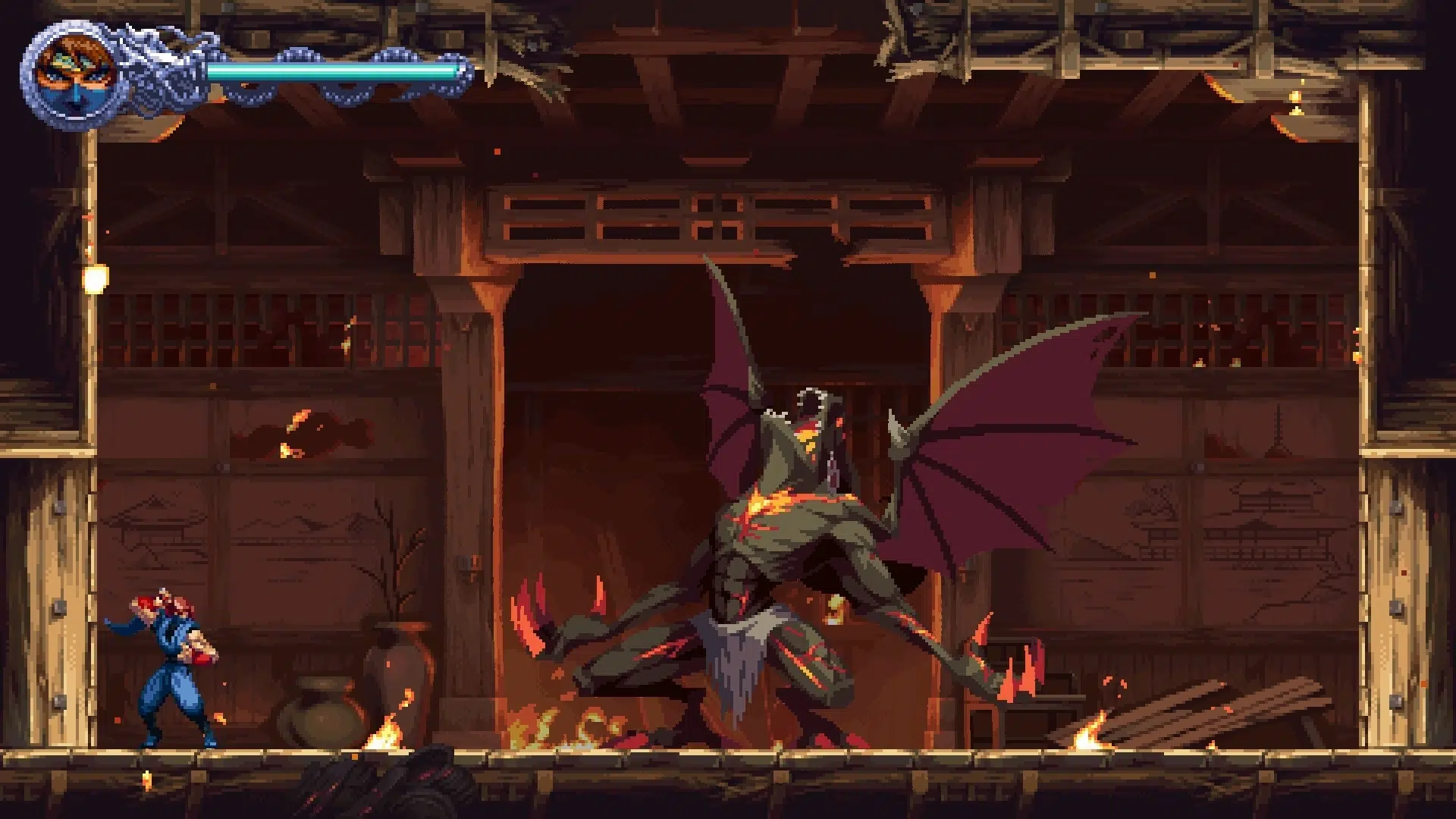
Kenji is the sole wielder of the sword, which he uses to eliminate enemies at close range and deflect incoming projectiles. In contrast, Kumori uses kunai for ranged attacks and has a few more aces up her sleeve, which help us discover secrets or perform some powerful attacks (usually one-time, like the "wish" in Shinobi), extremely useful against bosses.
An important gameplay mechanic in the game is the guillotine boost, a special attack that, with the right timing, can deflect almost anything and at the same time gives our current hero a boost, allowing him to jump higher. It's easy to see that this move is absolutely essential at many moments in the game - especially when the available platforms are limited.
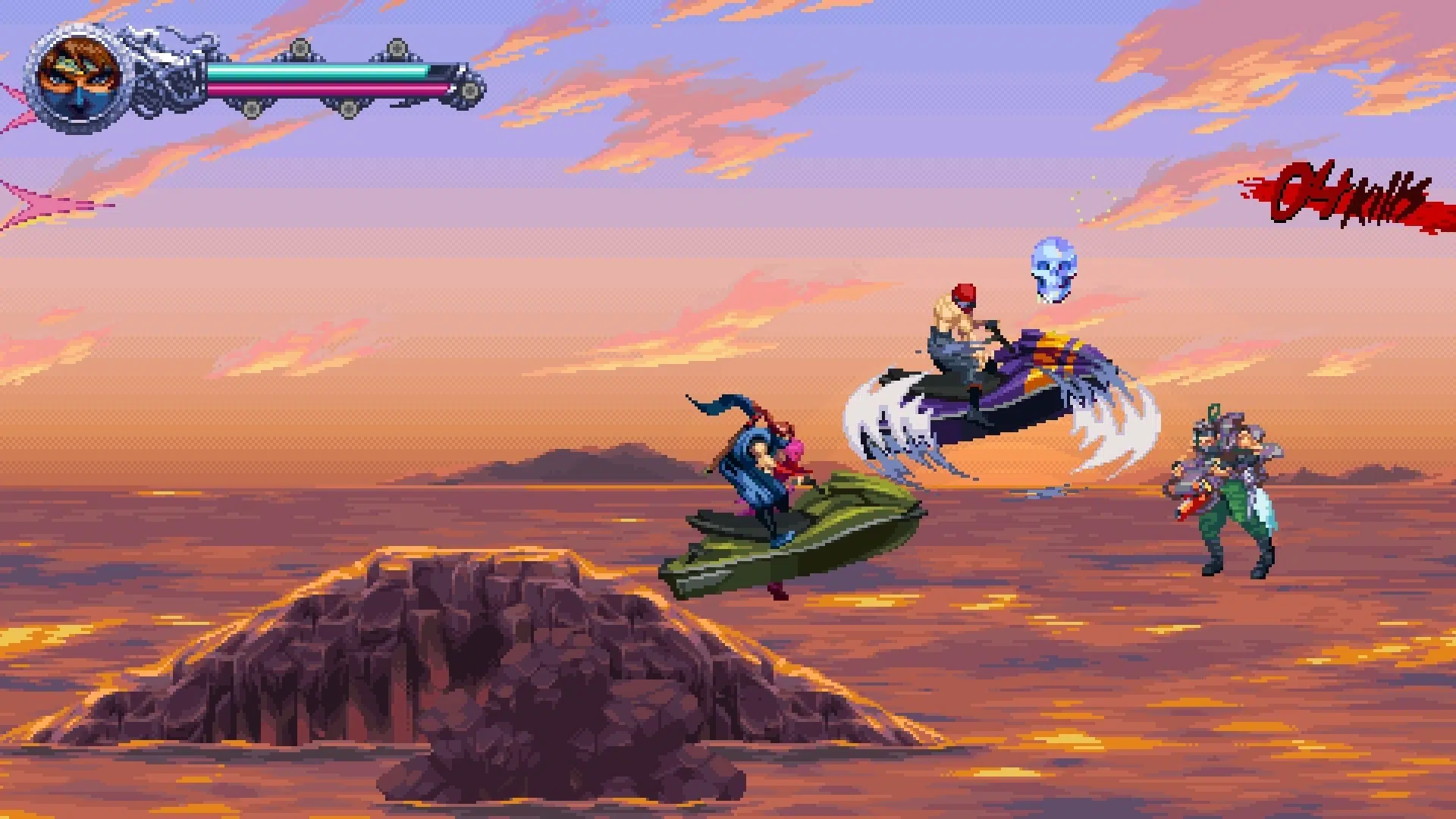
Besides, there is another interesting mechanism, that of Hypercharge. Every so often, certain enemies appear to be surrounded by a colored aura, blue or purple, and if we hit them with the appropriate attack (sword for blue, kunai for purple), our character becomes hypercharged. So for a few seconds, our next attack will be so powerful that it instantly kills even the most armored enemies (or does a lot of damage to a boss). This makes it an advantage to always keep in mind when such opponents appear. Alternatively, if we're confident in our abilities, we can hypercharge the character ourselves by holding down the attack button for a while in exchange for a small amount of our health.
If one considers the placement of the enemies, the platforms, and the frequency of appearance of the "gentlemen" with auras, it becomes obvious that there is a very well thought out plan behind all this. As long as we follow it faithfully, the game takes on a frenetic pace and intensity - like an unholy dance - where we have to use the right skills at the right time. Any obstacles, in fact, often turn into aids, allowing us to move forward with even greater speed.
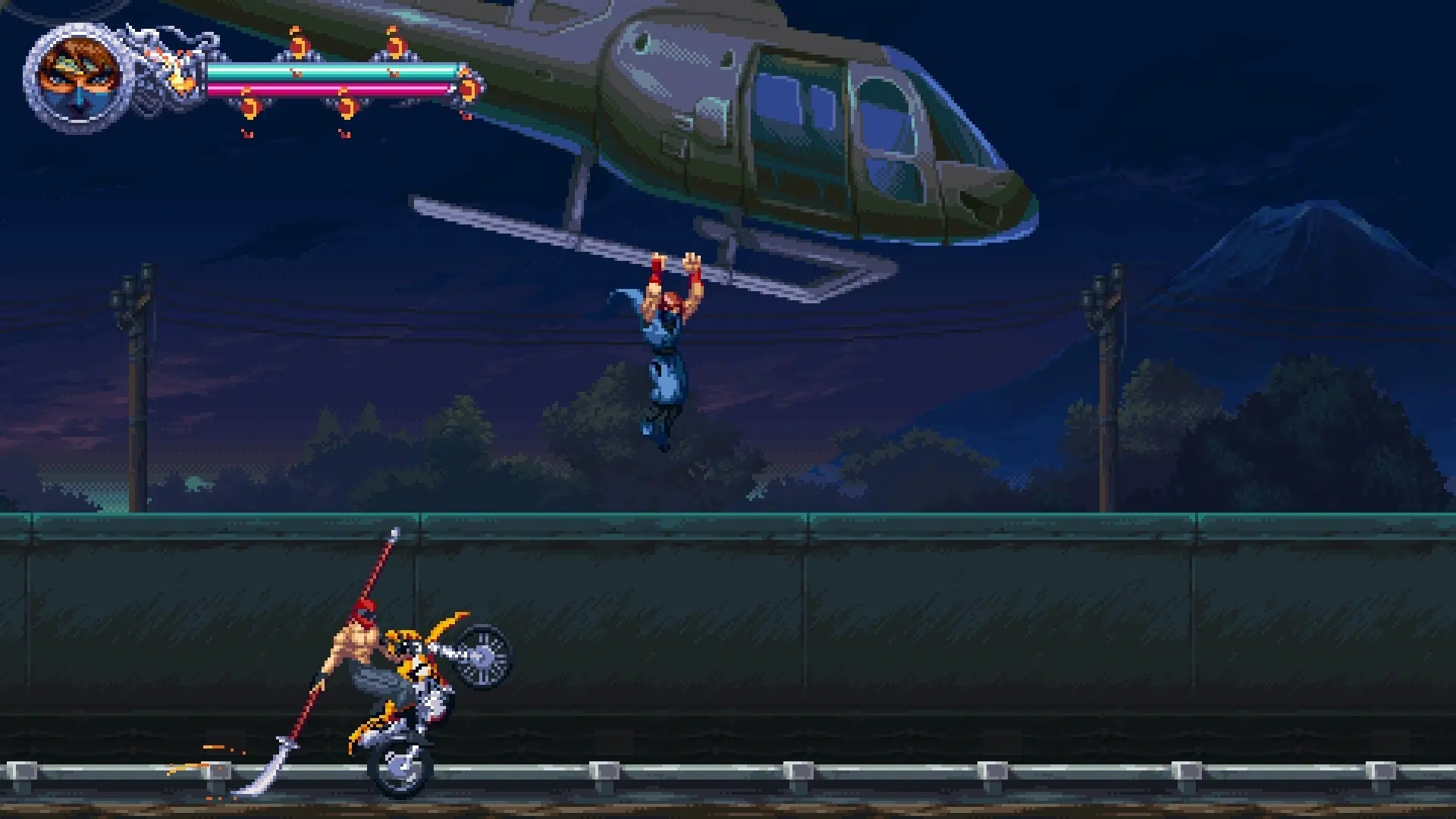
In fact, that's where the real challenge of Ninja Gaiden: Ragebound lies. That is, not so much in getting to the end of each level, which, while not easy, never becomes sadistic (the existence of many checkpoints helps in this regard), but in completing the challenges and the level in a reasonable amount of time, so as to achieve the best possible rank. The challenges vary on each level and range from simple, such as not falling into a gap, to more demanding like beating a boss in under a minute. Incidentally, the various bosses feature quite a bit of challenge, but like the rest of the game, they don't become frustrating, as they have a limited attack pattern that is more or less learned after a few tries.
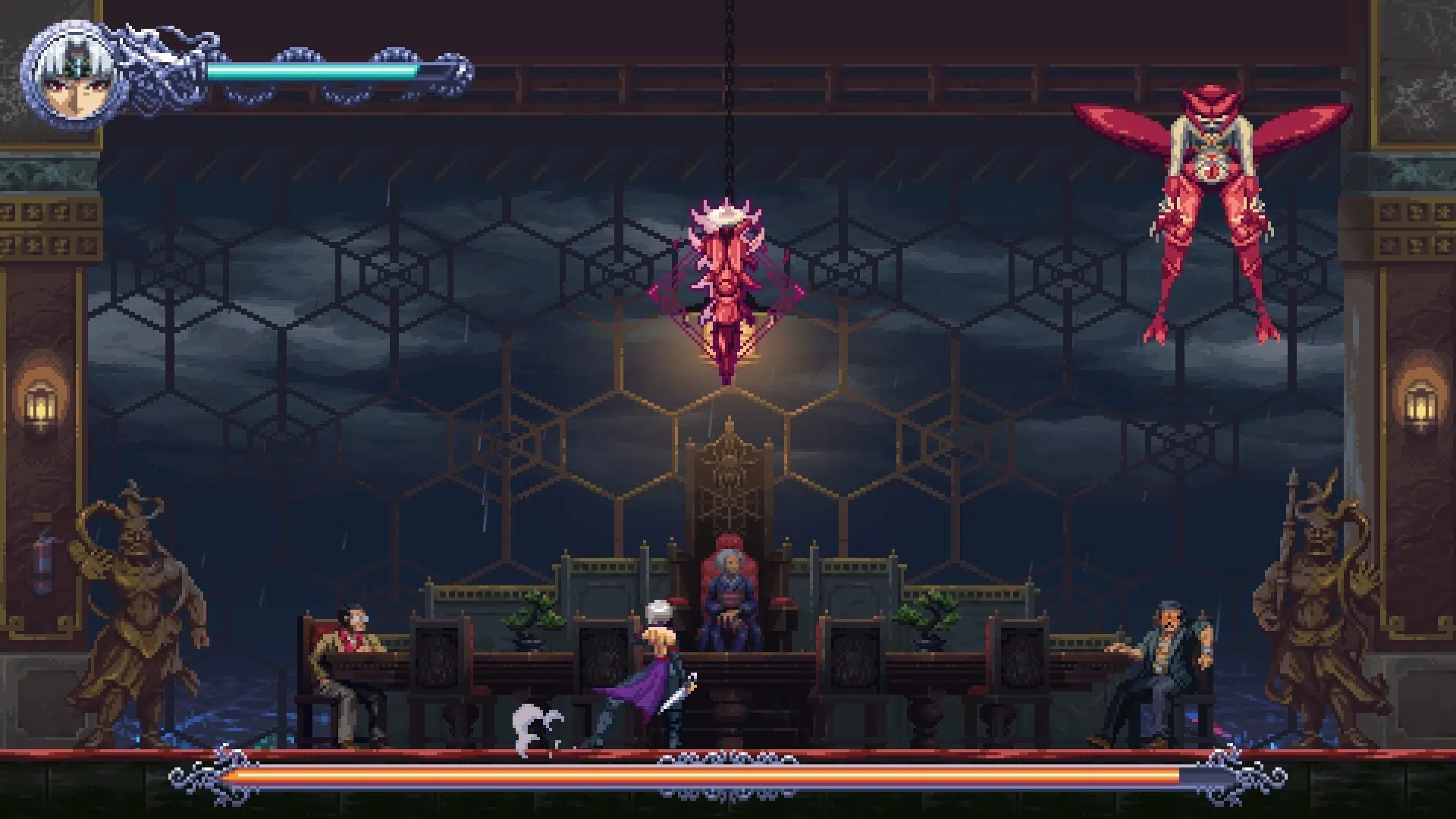
So as long as you're chasing the S+ rank, which combines speed and collecting all the collectibles, you may have to repeat the same level over and over again, which can push even the most hardcore completionists to their limits. For those with a more compulsive streak, there's the option to give Kenji some negative perks (e.g. he can't be healed), thus claiming an even higher score in the rating. Good luck.
In case we're not interested in our evaluation, Ninja Gaiden: Ragebound serves its purpose just as well, offering a fun experience, albeit a relatively short one, as it won't take more than six to seven hours of gameplay to see the end credits. This time, of course, increases dramatically if you get the high ranking "disease".
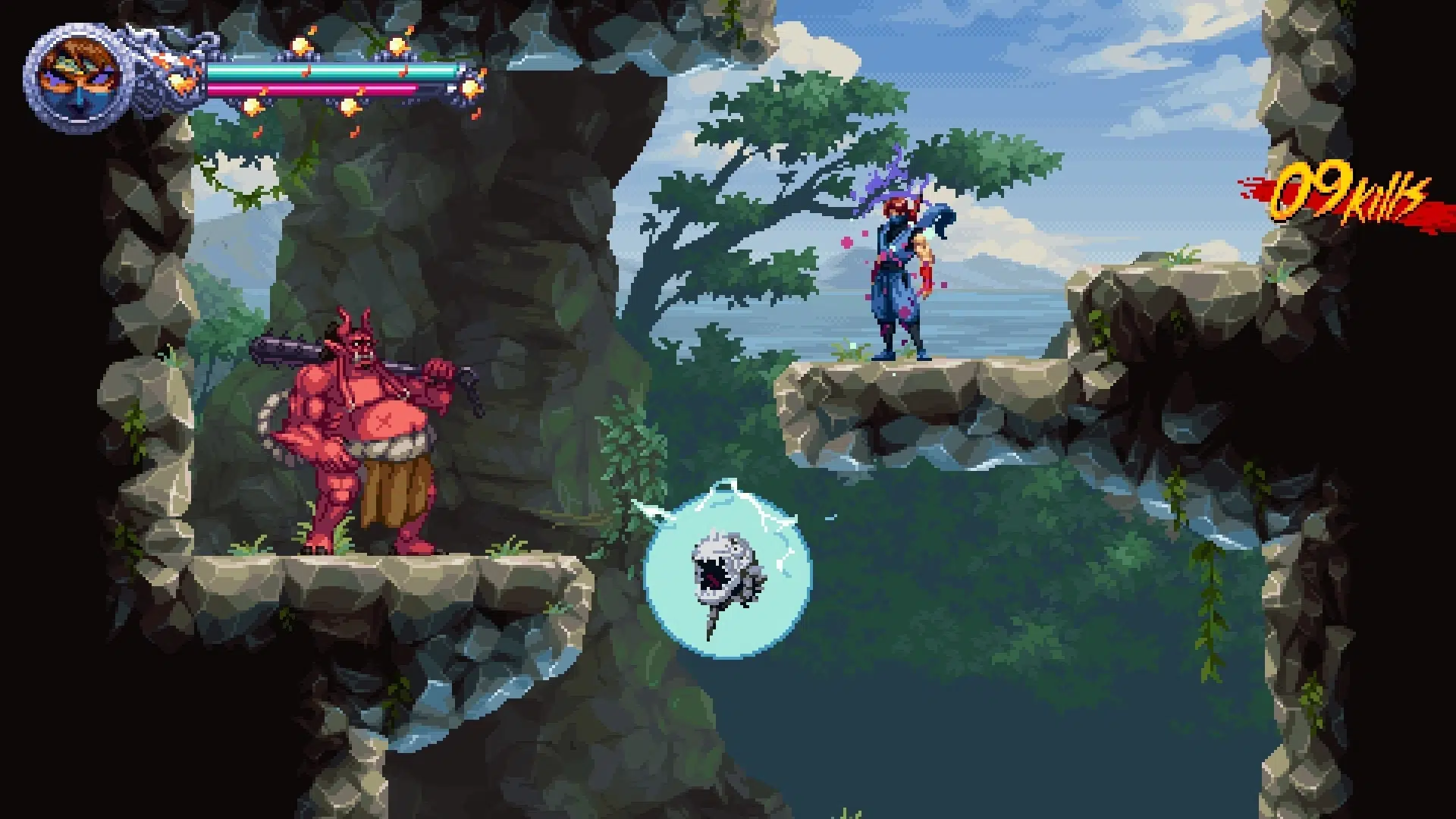
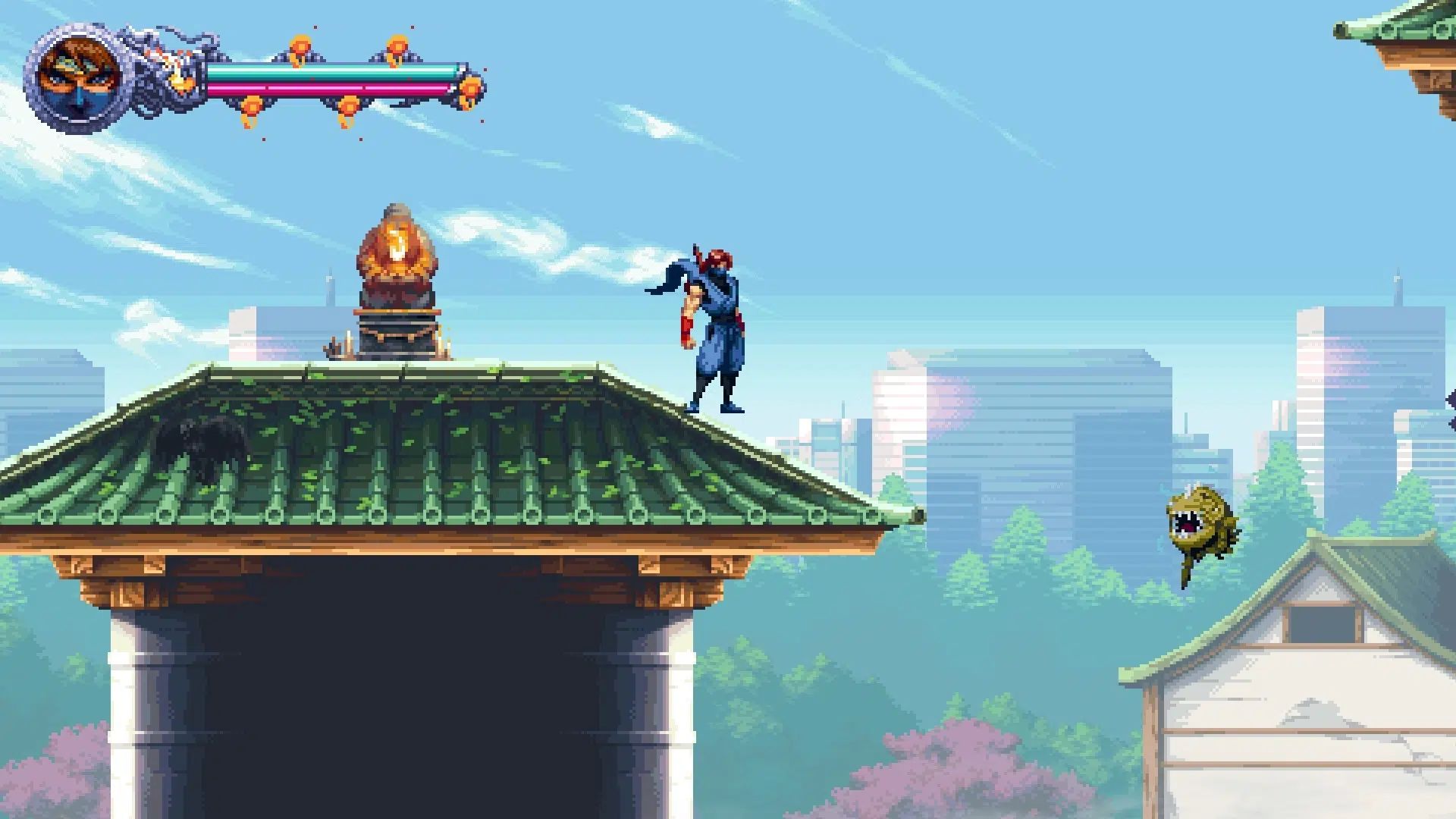
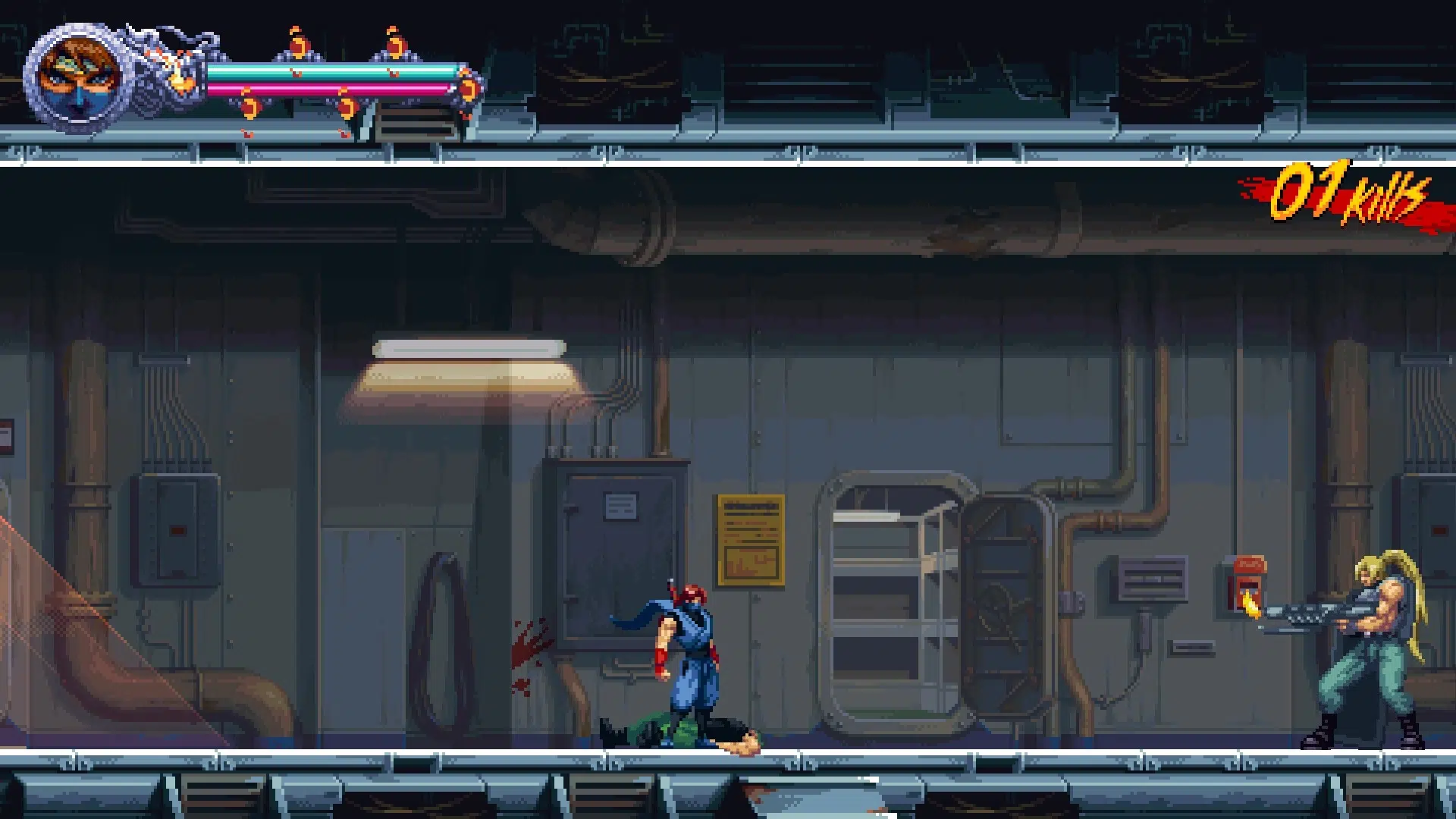
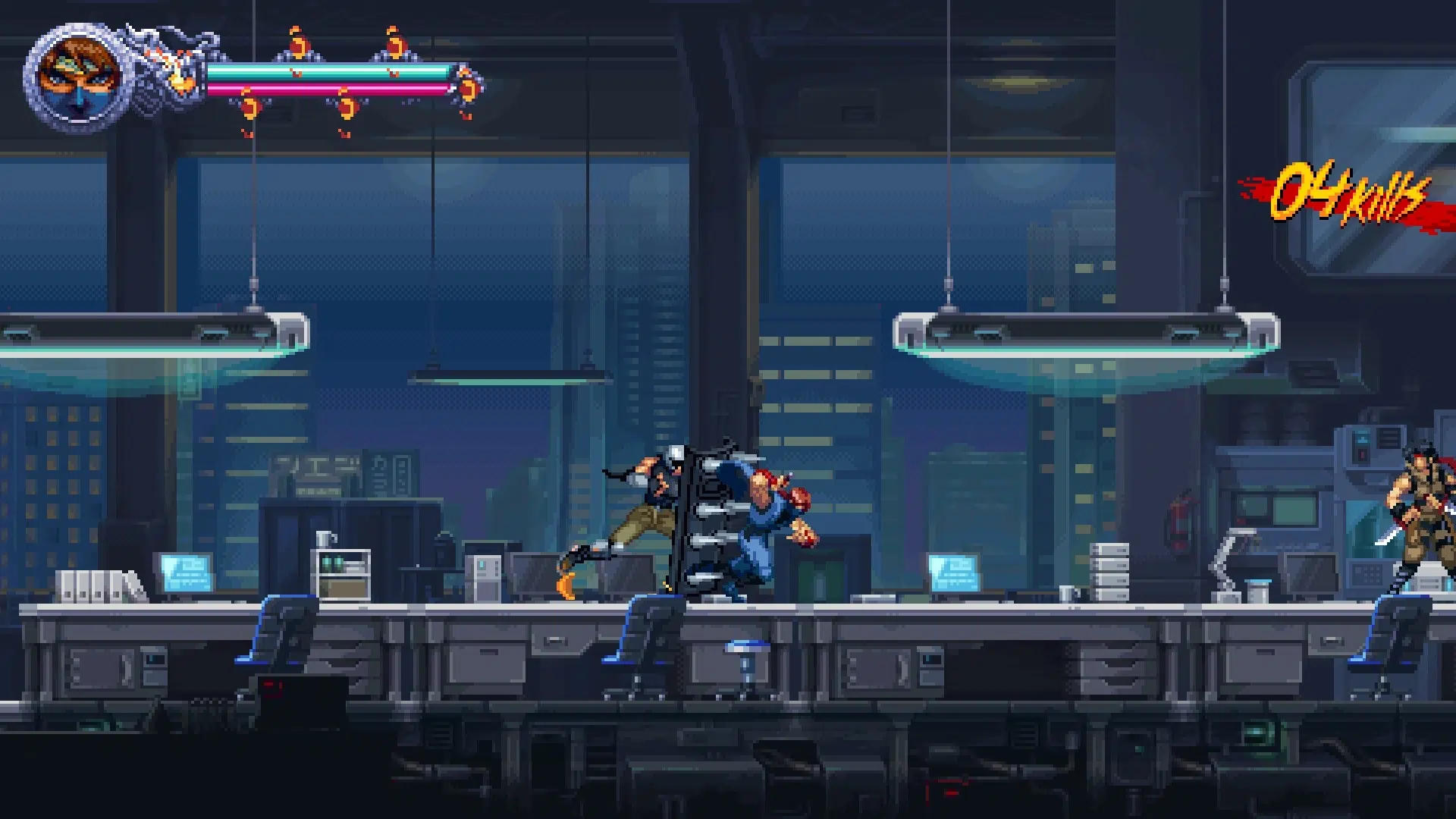
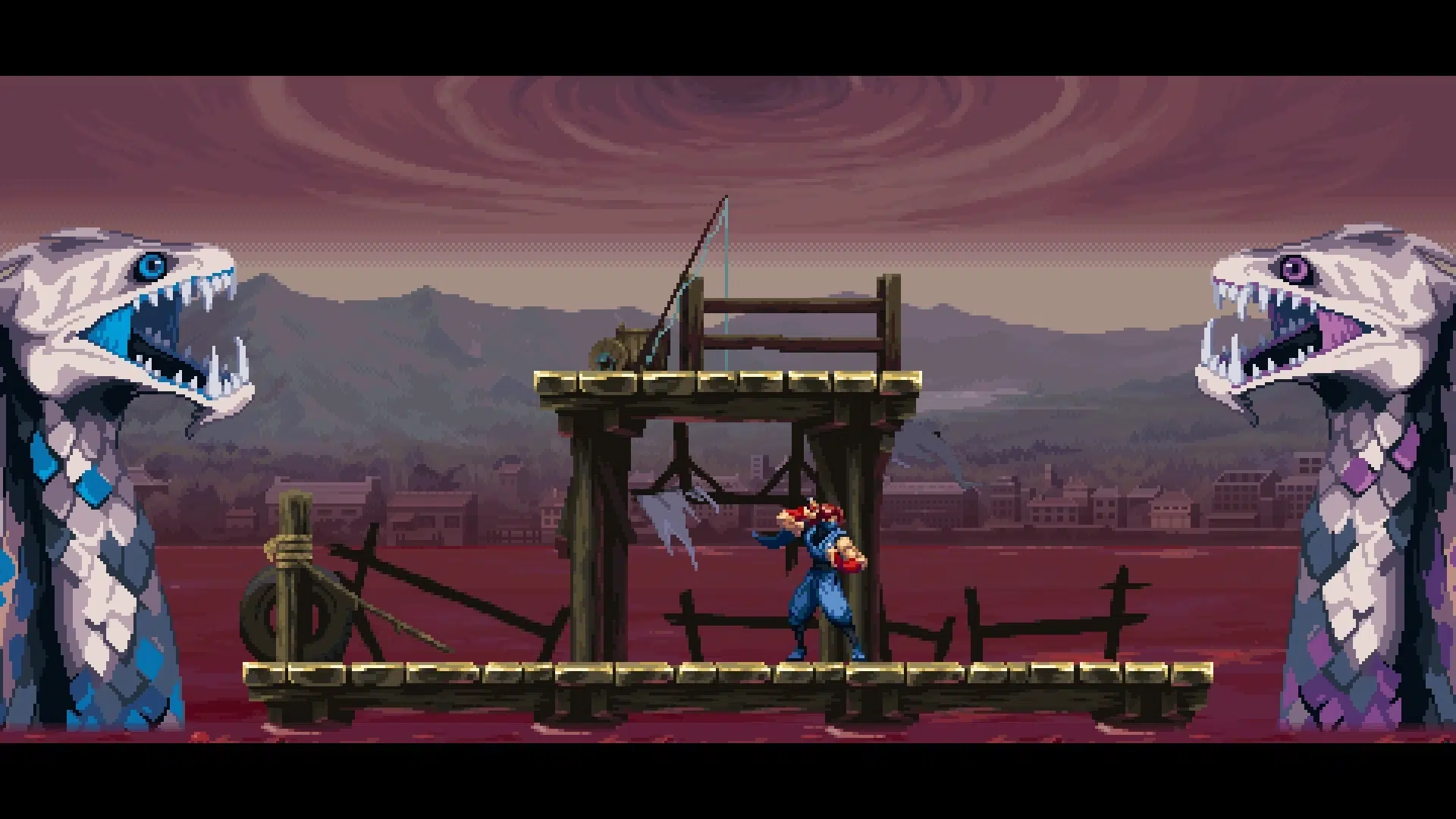
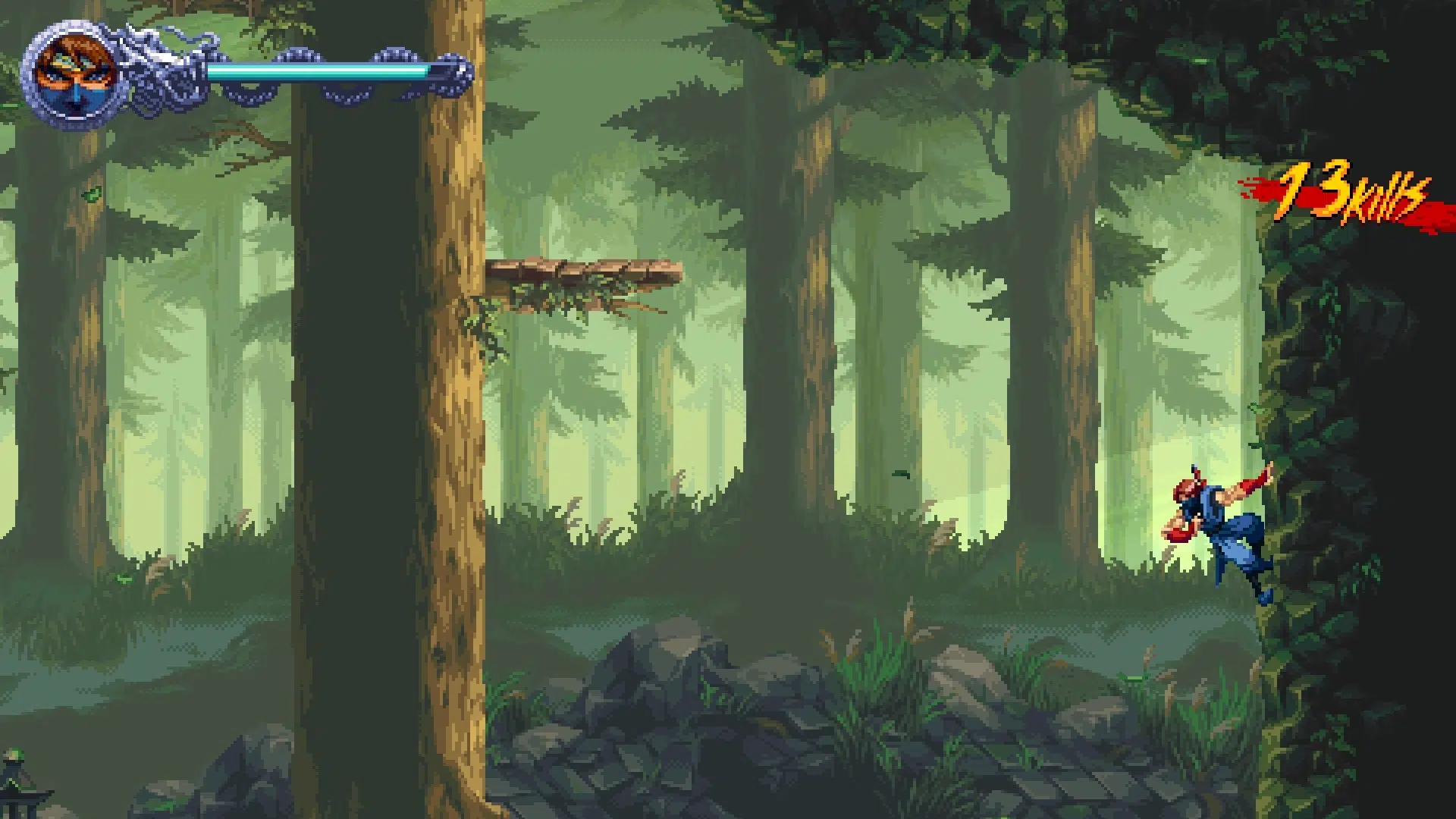
On the visual part, the game offers very decent pixel-art graphics (Game Kitchen and Dotemu are those), with vibrant colours and satisfying animation, while the dynamic soundtrack seems to have sprung from a forgotten game of the 90s and is enjoyable. In short, then, if you're looking for an explosive, fun and challenging (in your own terms) hack 'n' slash/platformer, Ninja Gaiden: Ragebound will not disappoint.
RATING - 84%
84%
Hadouken
Honest old fashioned action, with a modern "flavour" and special treatment for completionists.