
Oh how I love intricate sci-fi scenarios! Few things enthrall me as much as a sci-fi story with a mysterious original concept and philosophical implications, obviously the result of my great love for Star Trek. When I was informed of the premise for The Alters I asked to be assigned to review it despite the fact that the genre it belongs to is not one that usually holds my interest for very long. I started playing with mixed feelings of anticipation and apprehension: Would the sci-fi element and intriguing scenario be enough to make me tolerate or even enjoy the survival and resource management elements? The short answer is yes, absolutely, for the detailed one keep reading.
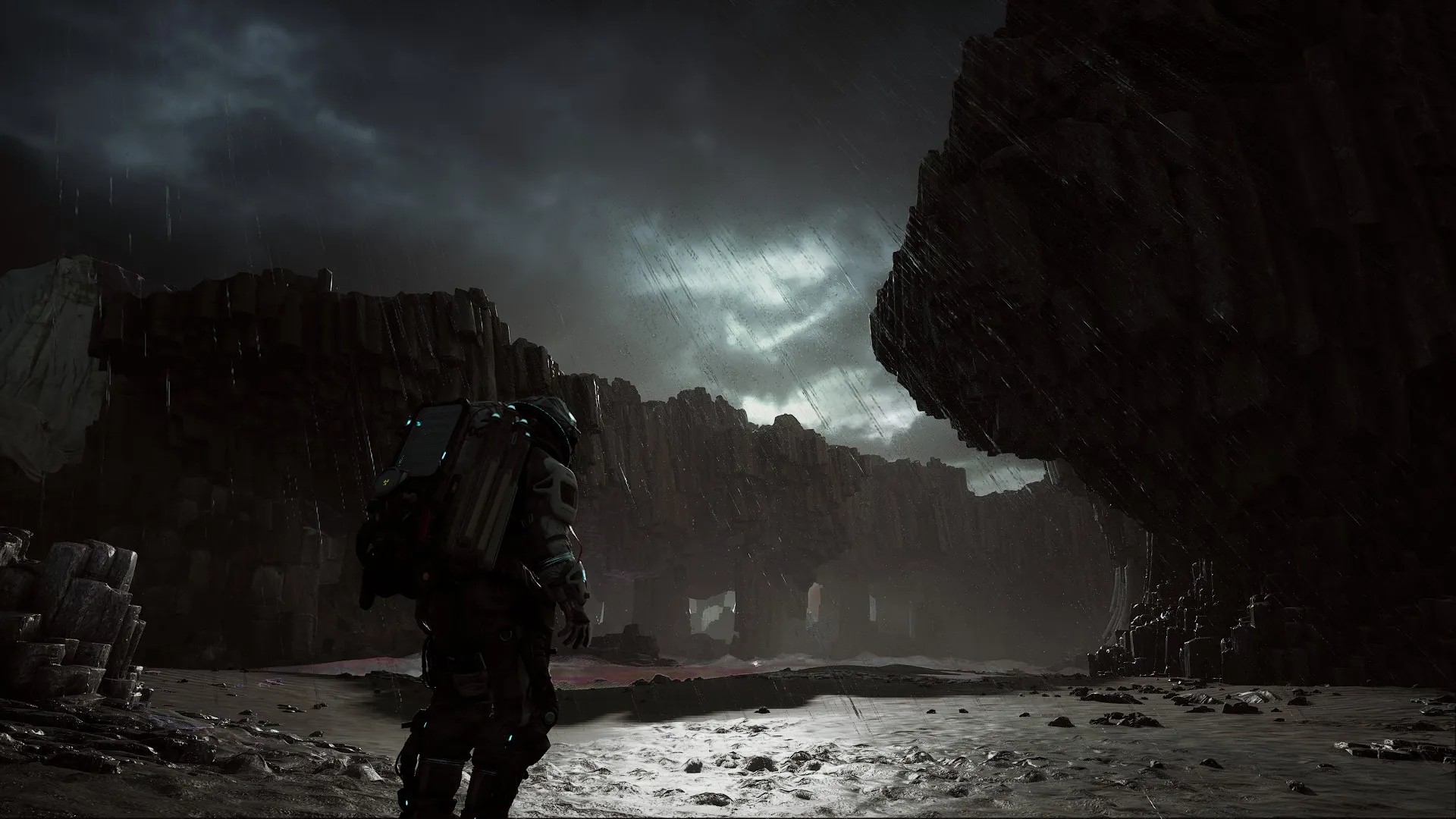
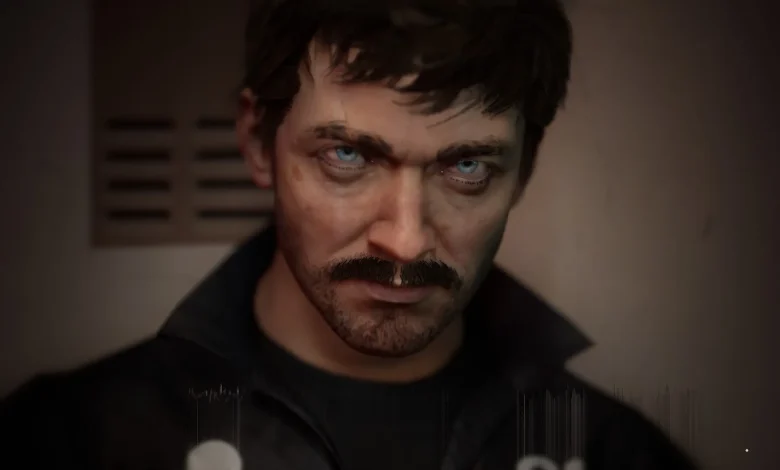
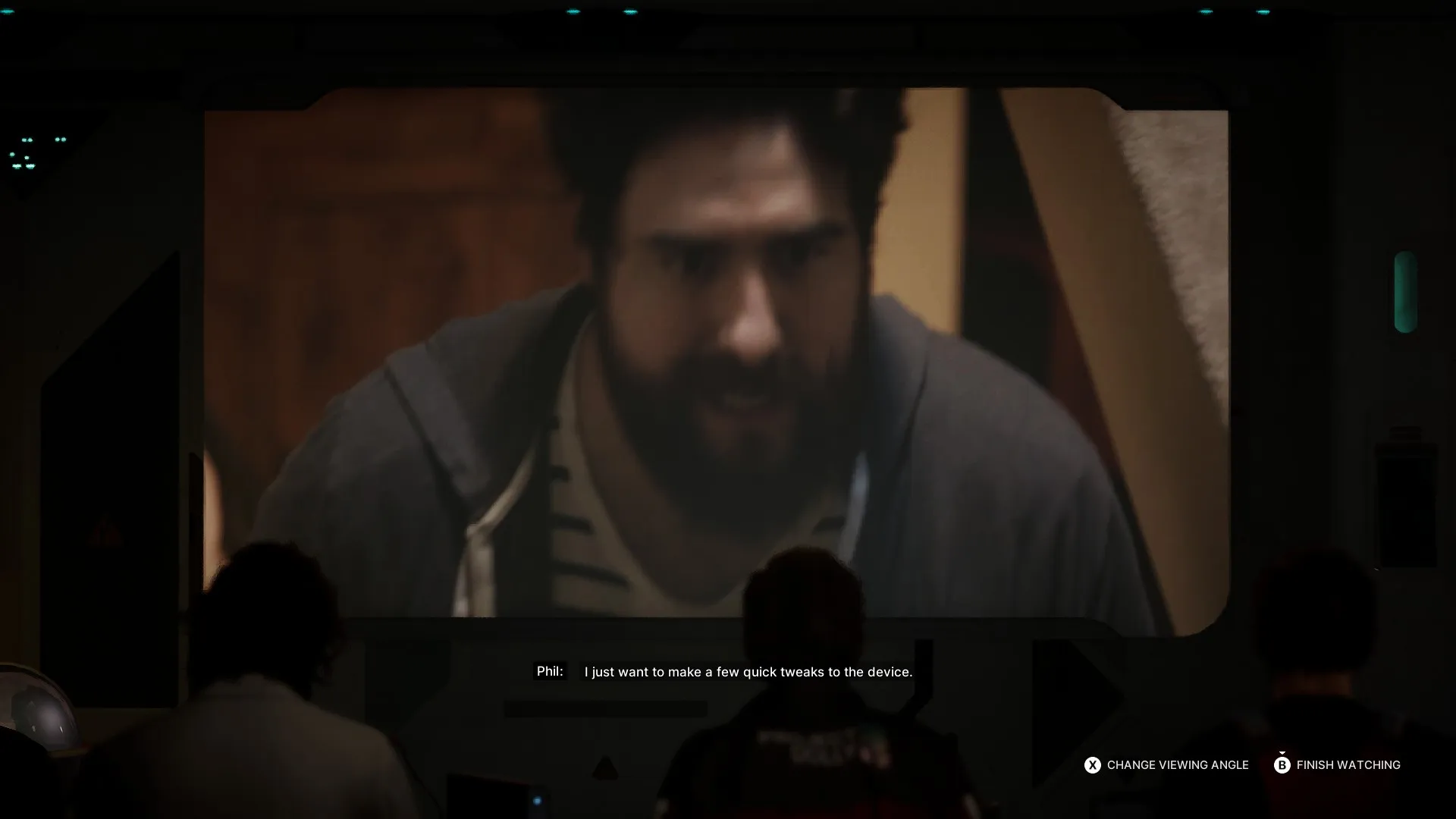
In The Alters we take on the role of Jan Dolski, part of the crew of a dangerous space mission in search of the exotic element Rapidium, the answer to all of Earth's ills according to the company that has been contracted to carry out the mission. Unfortunately, the trip soon goes very wrong and our friend Jan is stranded all alone on the surface of an unknown planet as the rest of the crew is killed during the crash landing. Fortunately the mobile base that was intended to be the team's operations center is saved but Jan alone is unable to maintain it, let alone accomplish the mission. Faced with a dead end, the company's leaders propose an unconventional solution to Jan: use the base's quantum computer and some of the rapidium detected on the planet's surface to create alternate versions of himself!
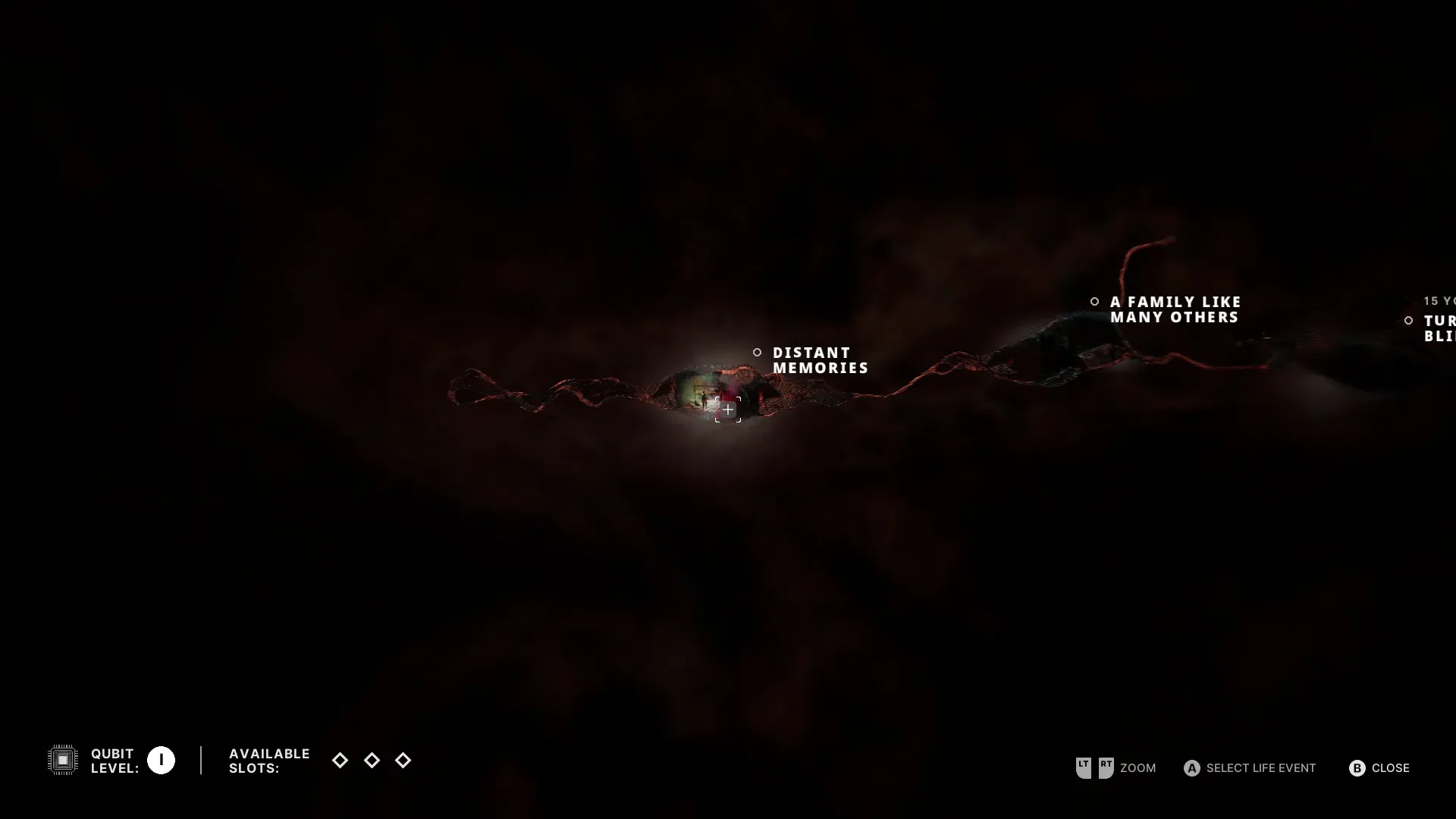
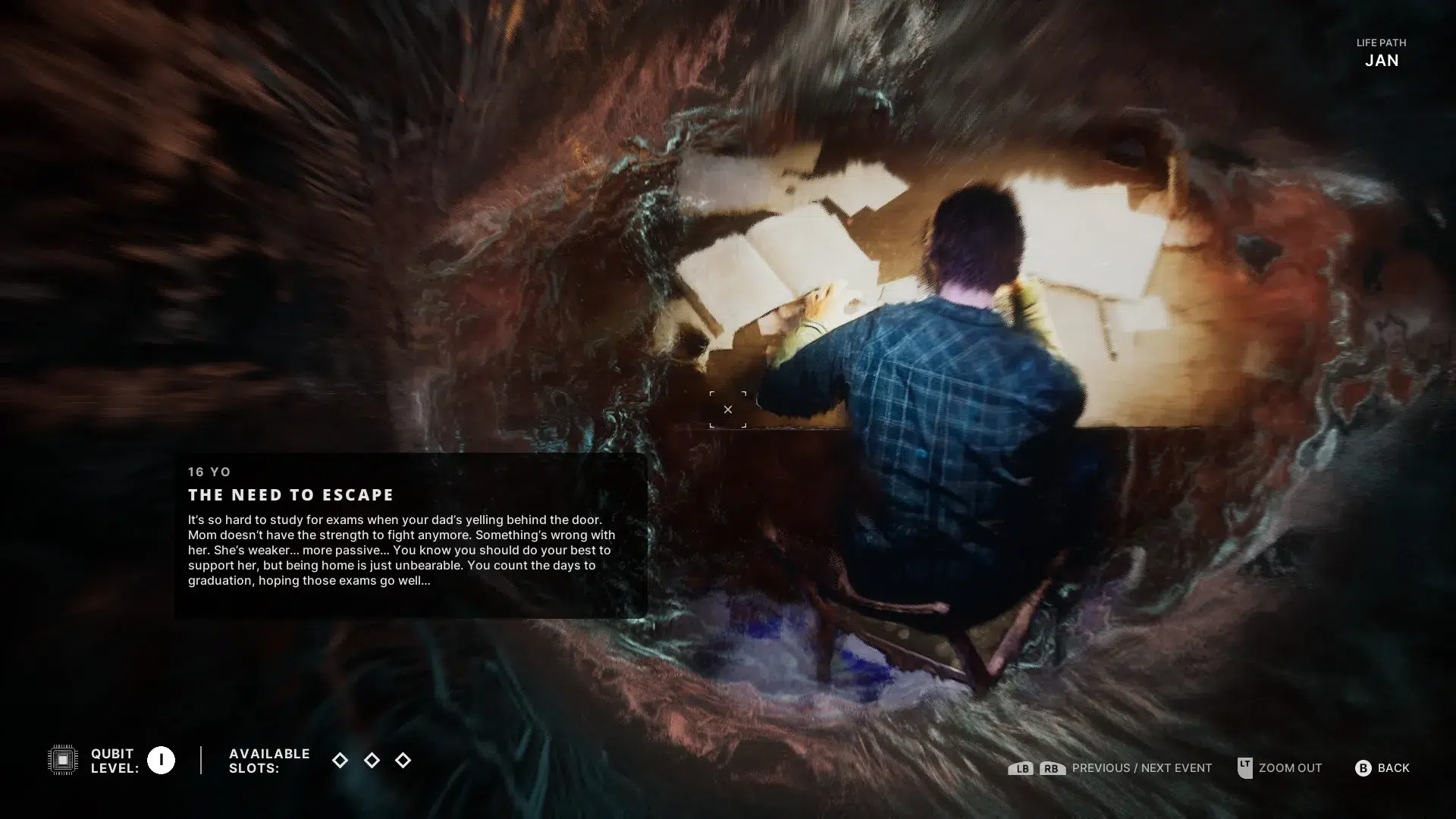
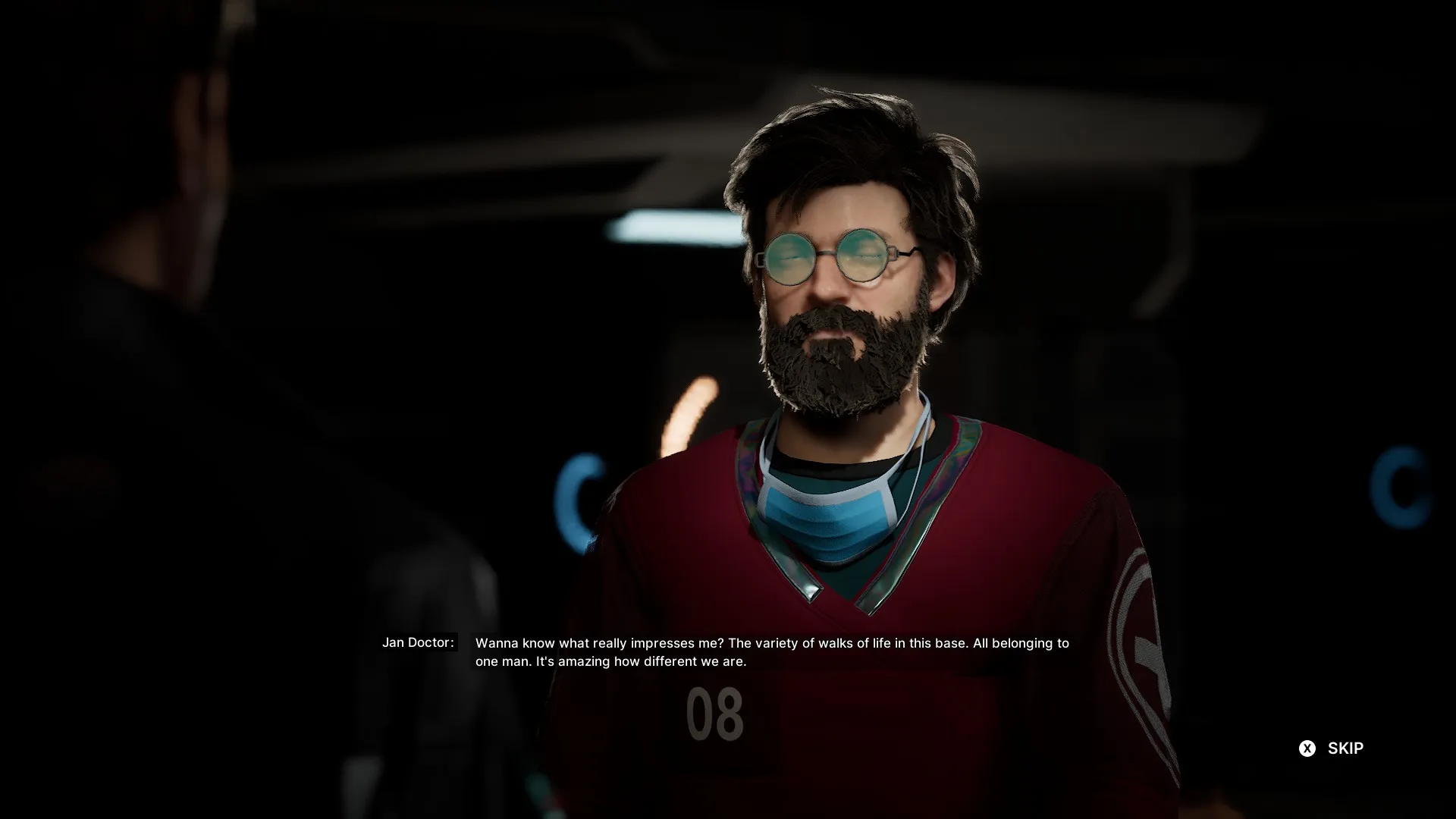
While the game belongs in a very general sense to the survival genre as you have to search for valuable resources and achieve the individual objectives of the campaign while taking care of your cloned crew and the base itself, the unique element of The Alters compared to other similar games is undoubtedly the management of human resources, not only physically but especially psychologically. Our clones have different skills and memories depending on the turning point in their (virtual) lives that led them on a different path from the original. For example, while "our" Jan decided to leave his parents' home to avoid his abusive father, one of the clones decided to stay and as a result his life branched off in a completely different direction. Through the base's quantum computer we can see and select these key points in our lives in order to branch the clone's life in a specific direction and create the profession that the mission requires.
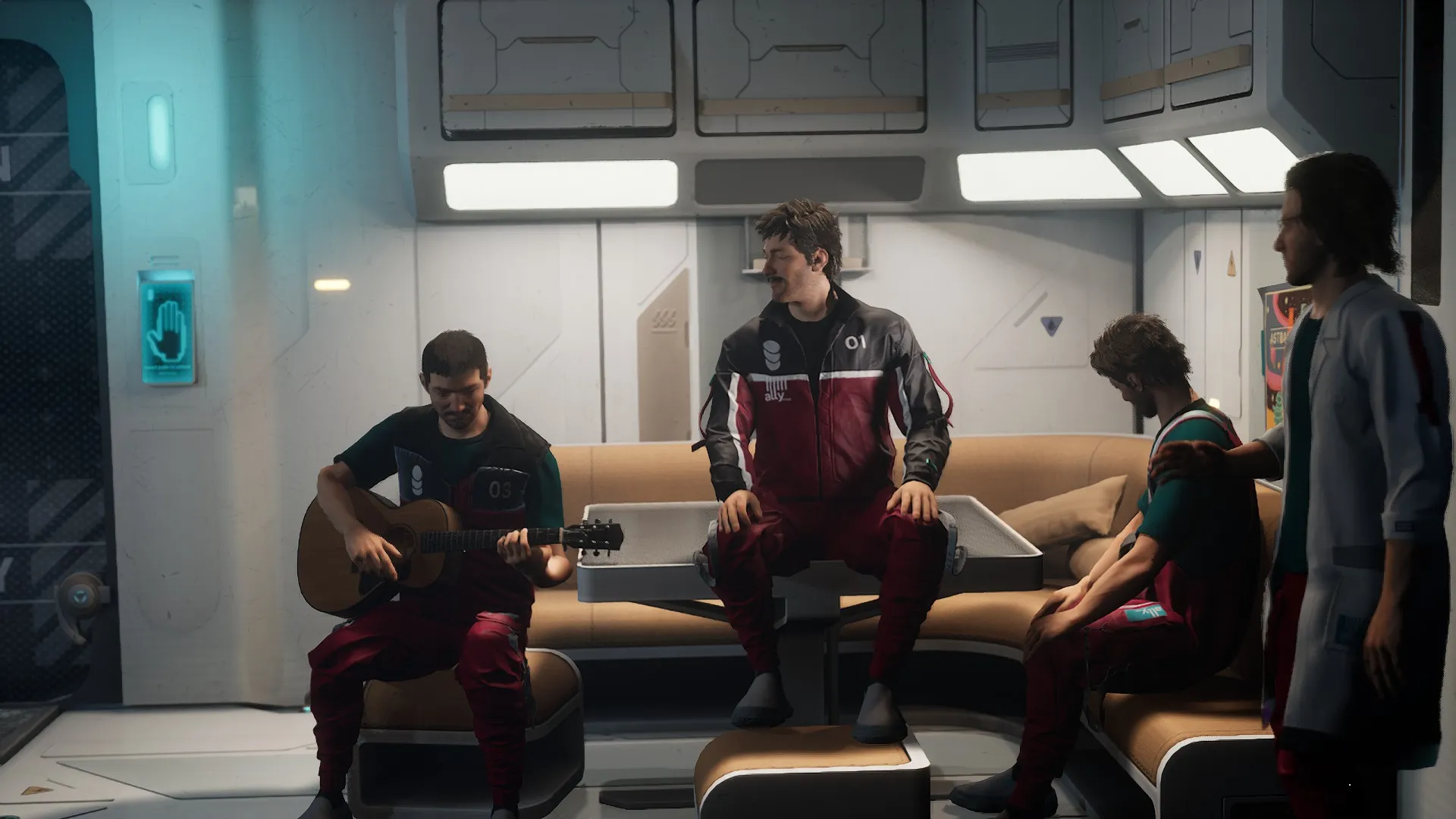
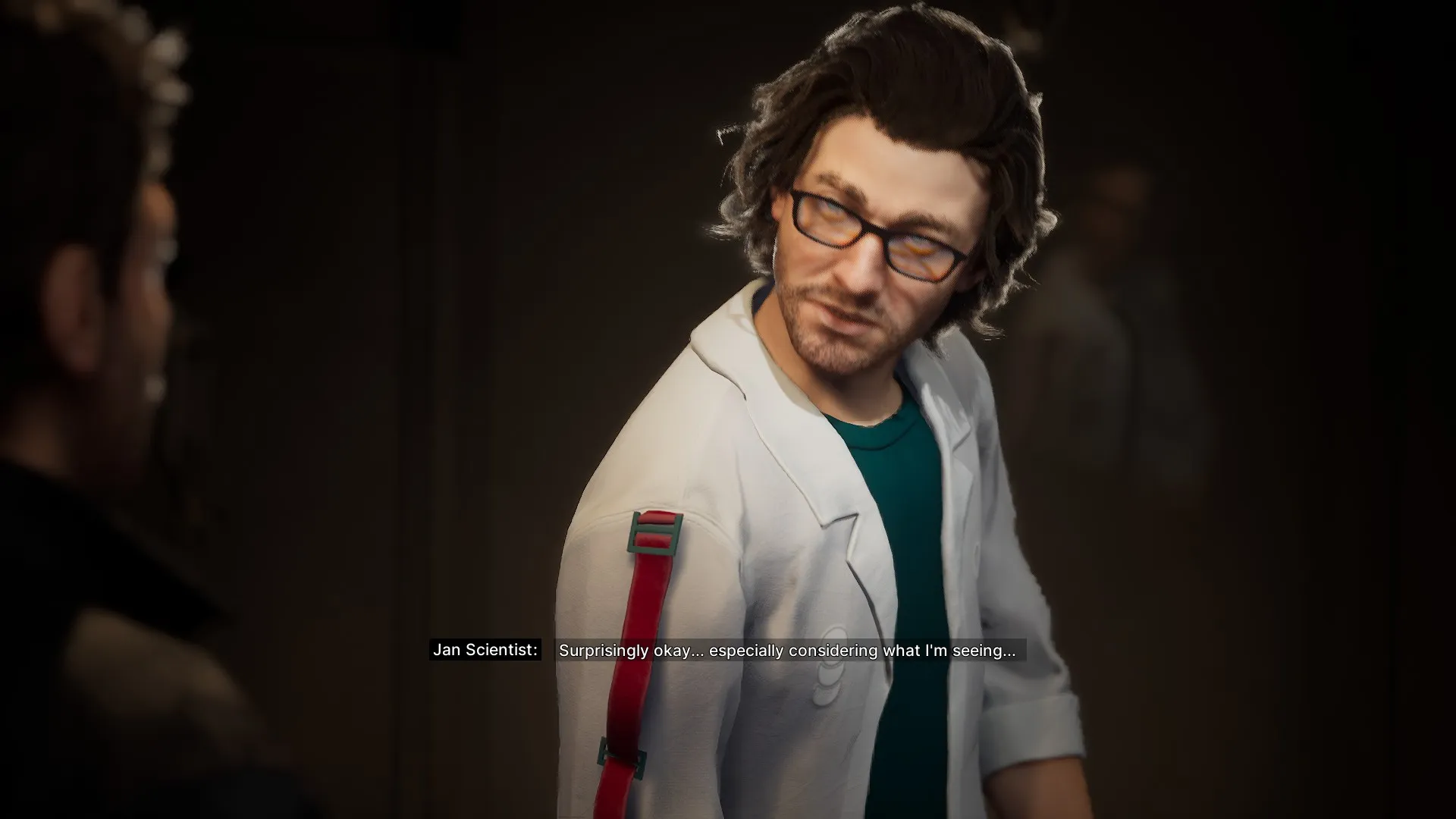
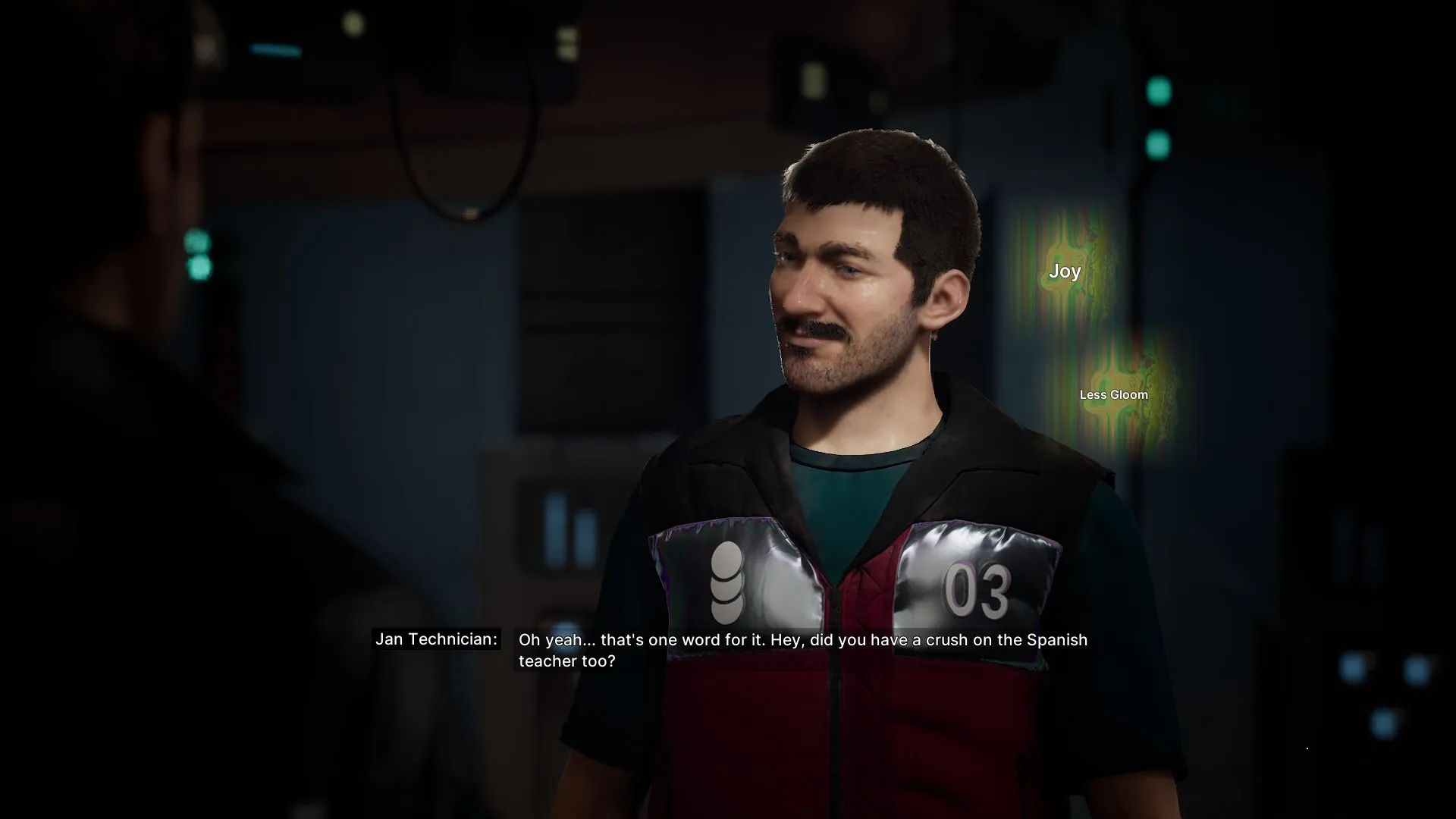
The uniqueness of The Alters doesn't end there. The campaign structure is linear, divided into acts and infused with a strong RPG flavor, as a large part of the gameplay is devoted to dialogues with the clones (with multiple choices that affect their psychology and their attitude towards us), with the heads of the company who seem friendly but have their own motivations and with other characters that I won't reveal because they are an essential part of the plot. Managing different but intense personalities is no easy task and often the granting of a request causes a reaction in another crew member. The big surprise and probably the game's biggest success is found in this very feature: While it could very easily end up being annoying and tedious, the developers did such a good job that I personally found it addictive, completely engaging and at times sad, sweet, thoughtful. They managed to make me genuinely care about my crew, feel sad for their suffering and rejoice in the (usually few) moments of brotherhood and companionship.
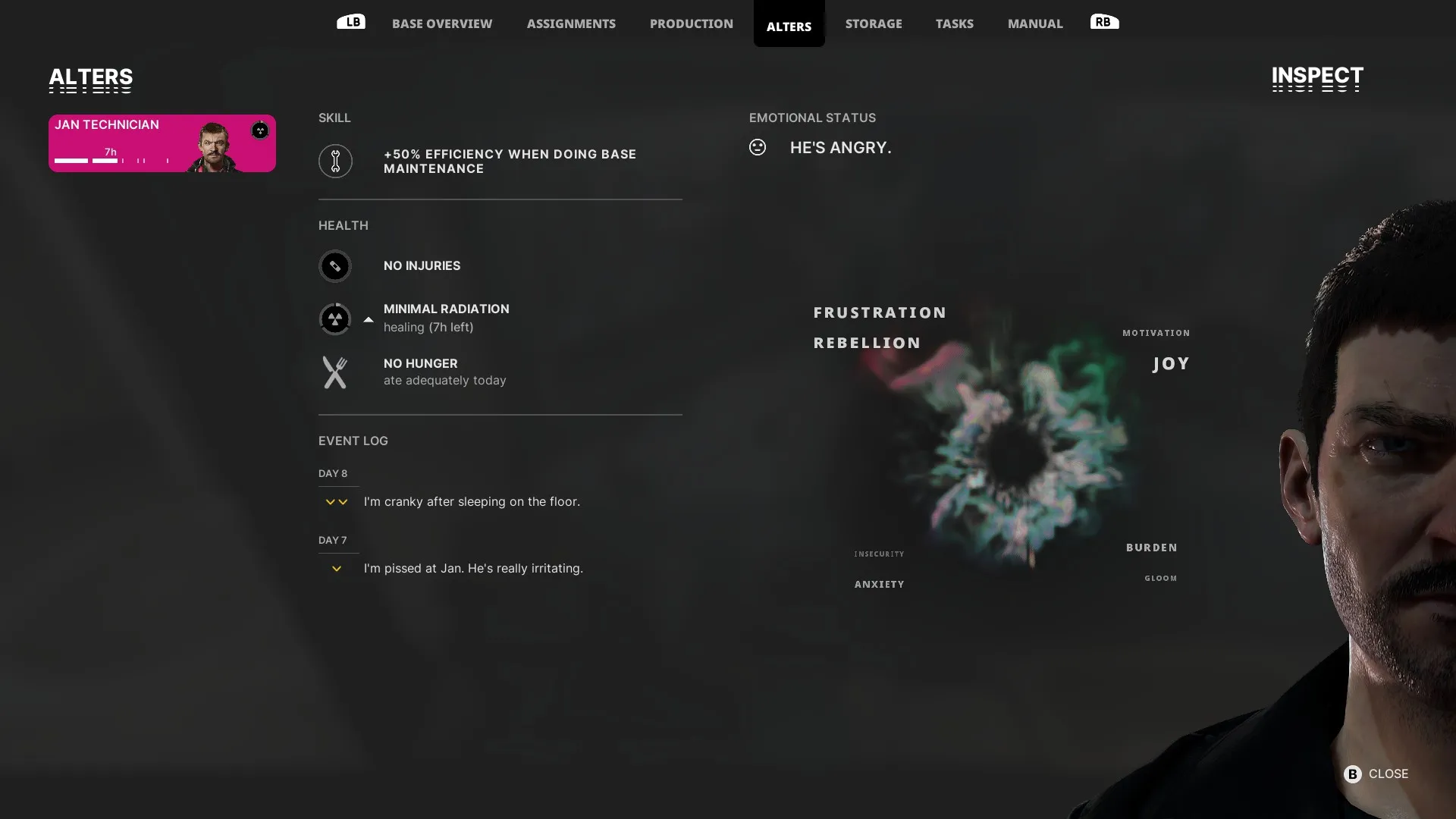
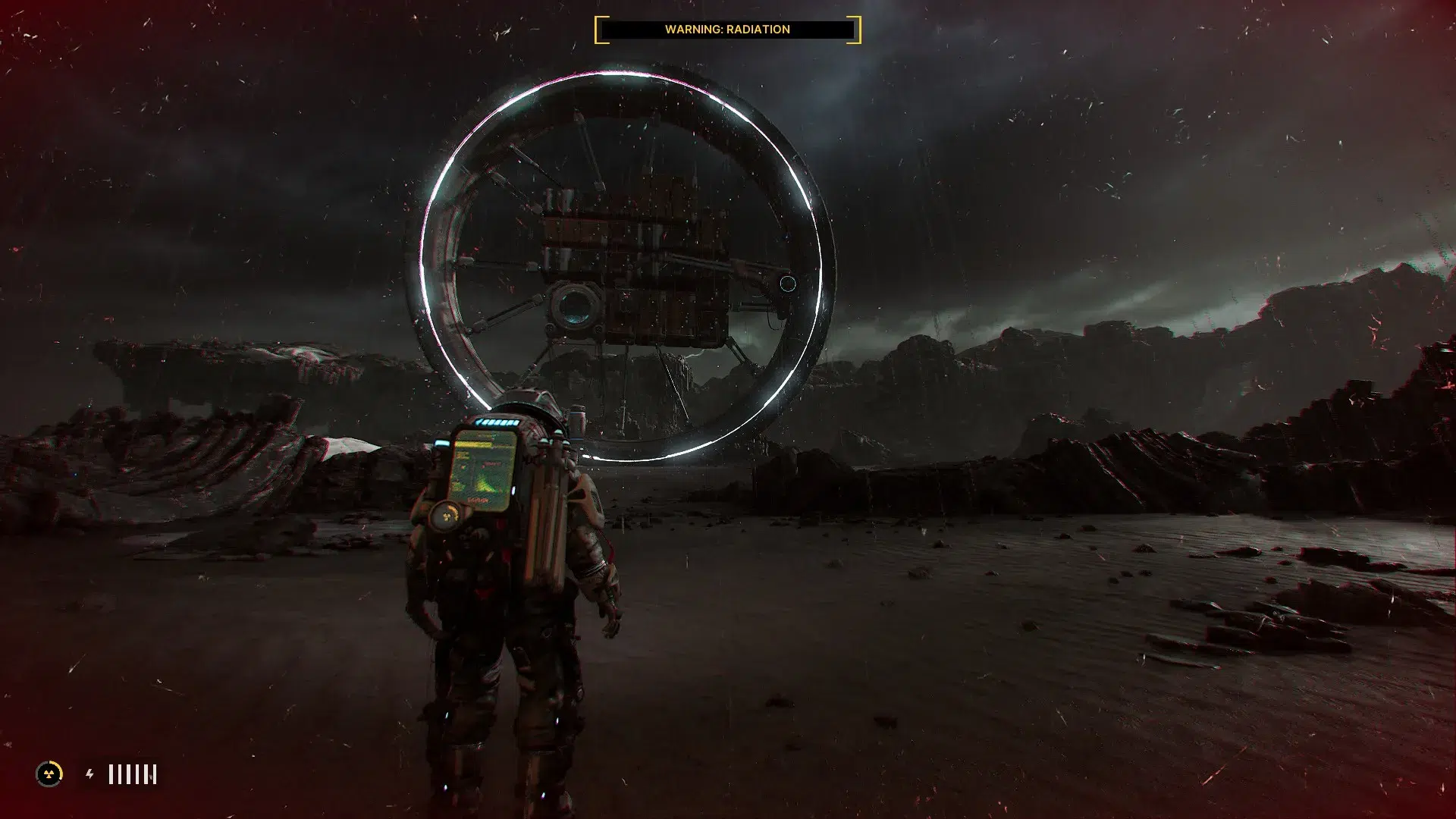
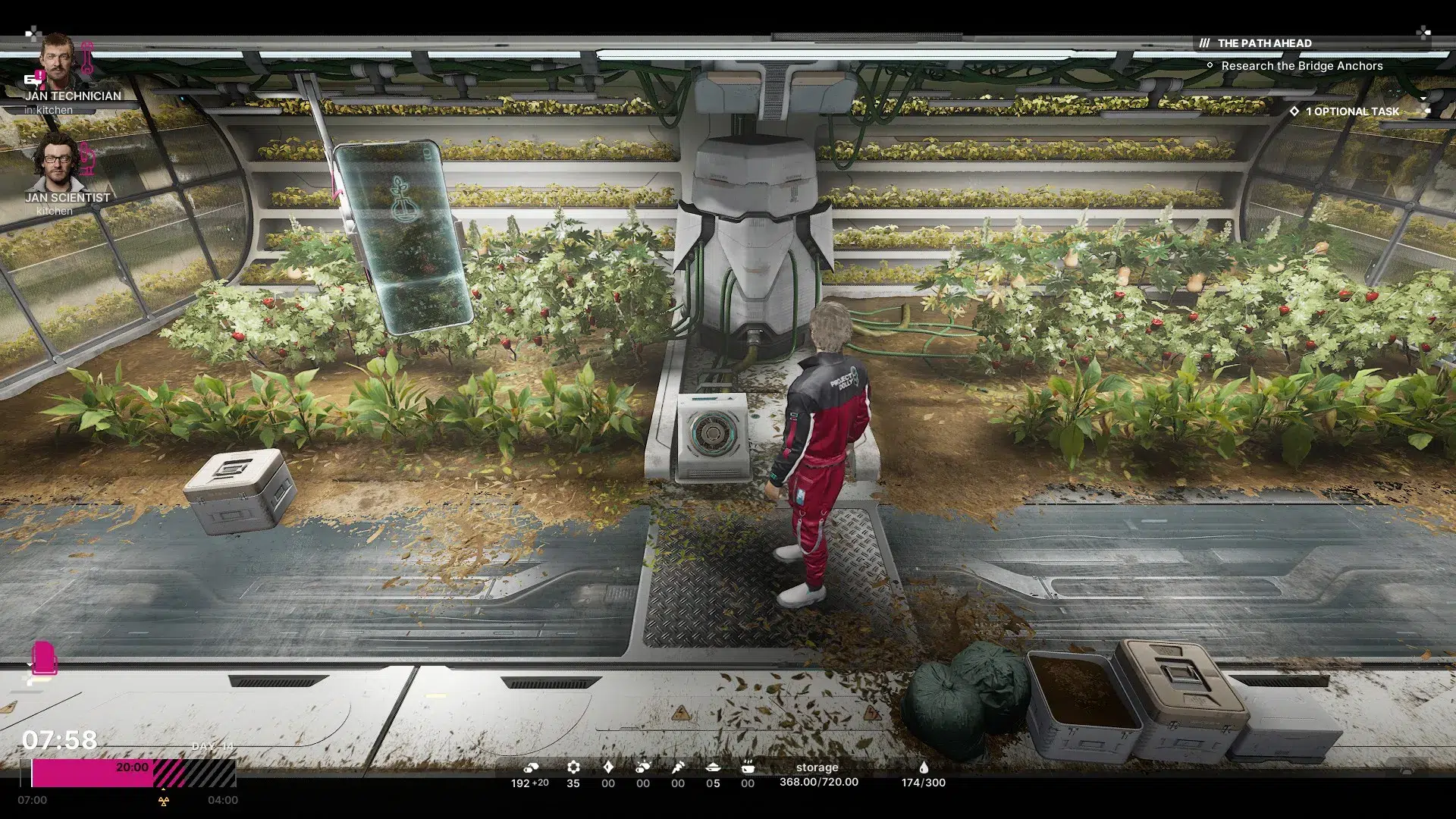
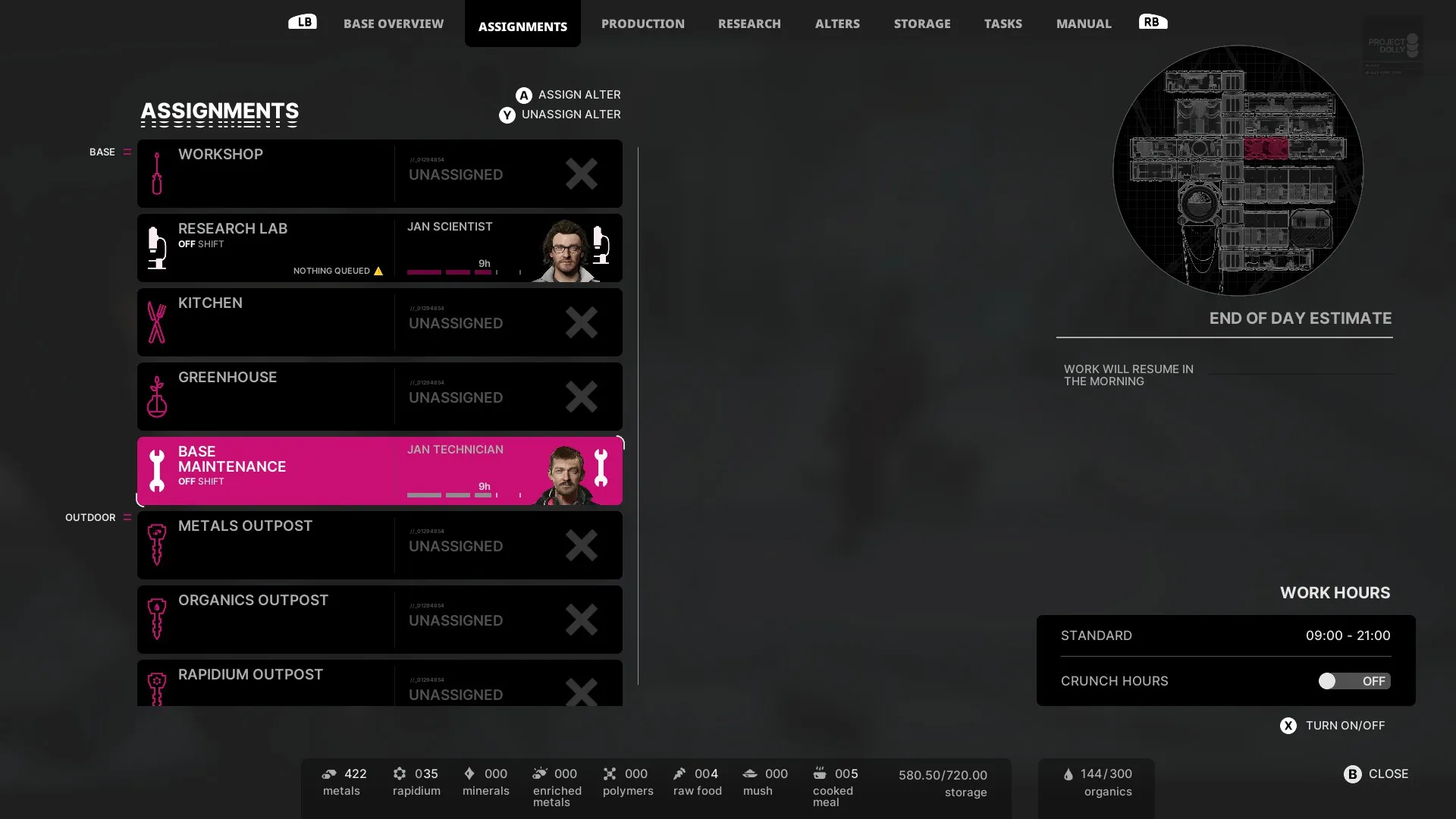
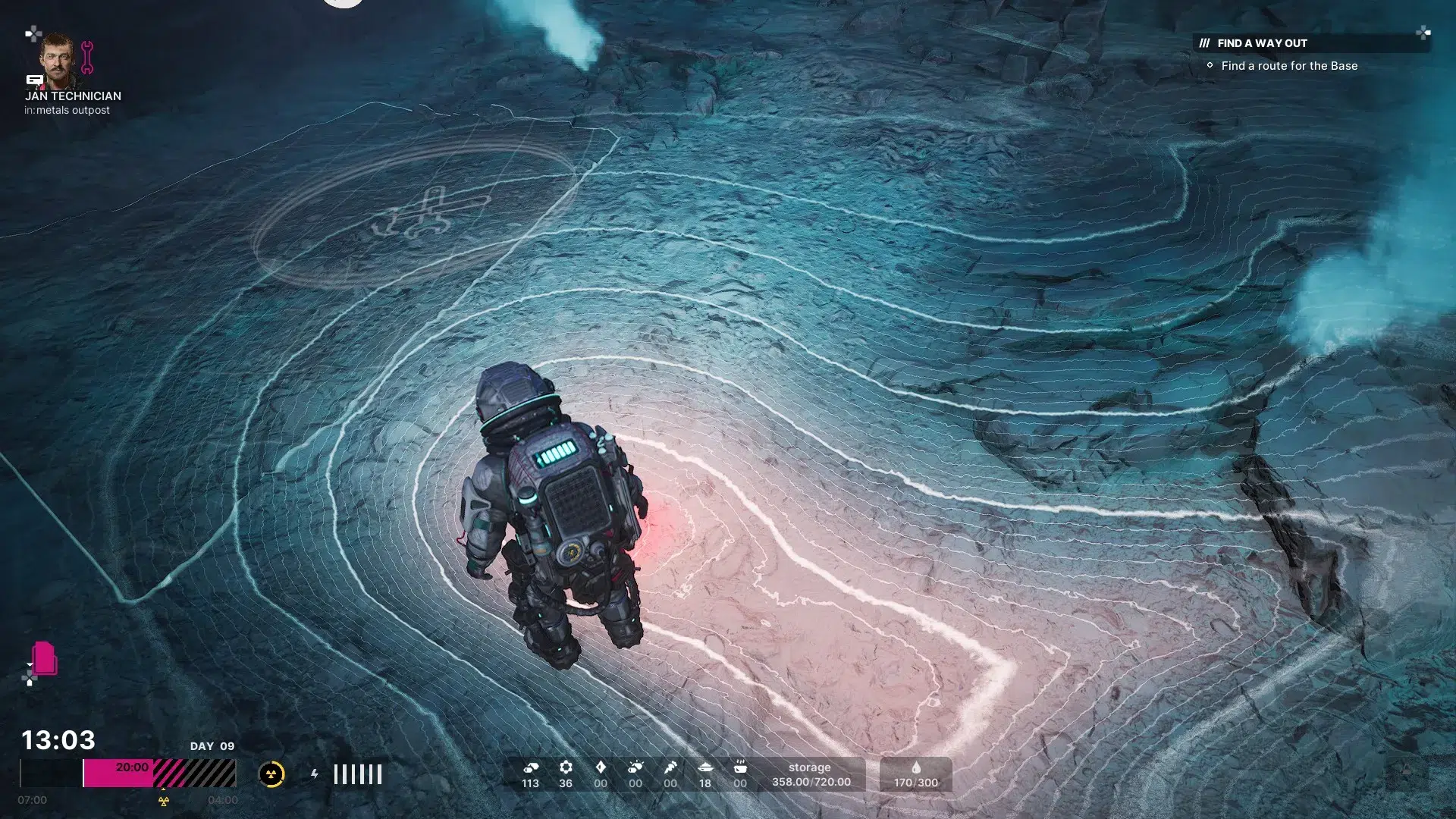
Beyond crew management, The Alters demands of us to maintain and develop the mobile base with new facilities that unlock advanced equipment and bonuses, in a style very much like Firaxis' recent XCOMs. Resource gathering and management is done by assigning specific tasks to our crew on and off the base to ensure that there are enough resources to build equipment, repair base damage and feed all team members. The game saves on each day that dawns and we have a specific amount of time available to explore the map, discover resource deposits, perform tasks and complete the necessary objectives to advance the plot. Unlike most other tasks that can be freely assigned to the other clones, exploring the map (in real-time third person) is left entirely up to us and I personally found it quite interesting because the maps are not procedurally generated and feature several locations that require better equipment to access, Metroidvania style. The main goal of exploration is usually to locate the necessary resource deposits but each map has its little and big secrets that add a little salt and pepper to our excursions.
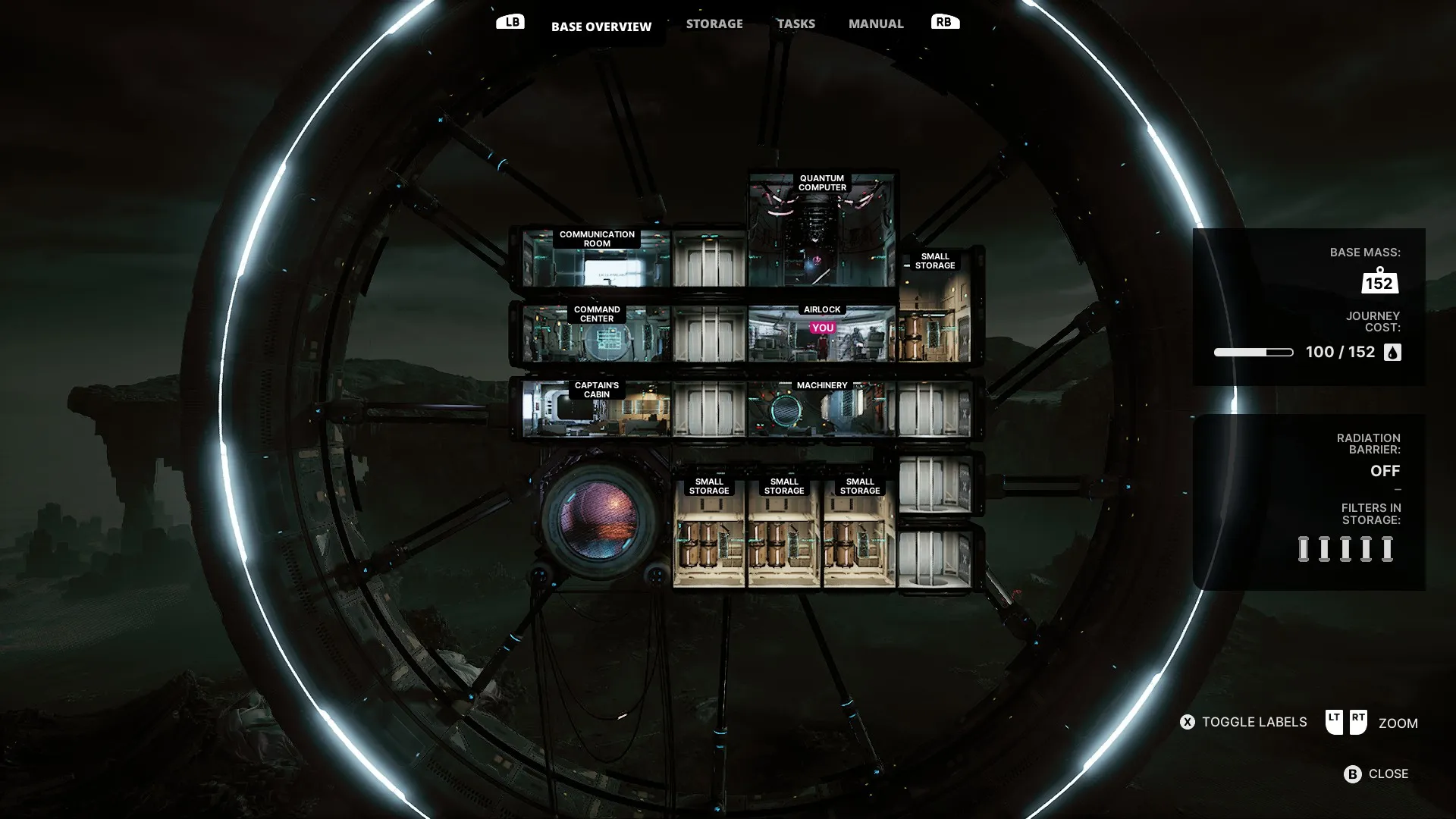
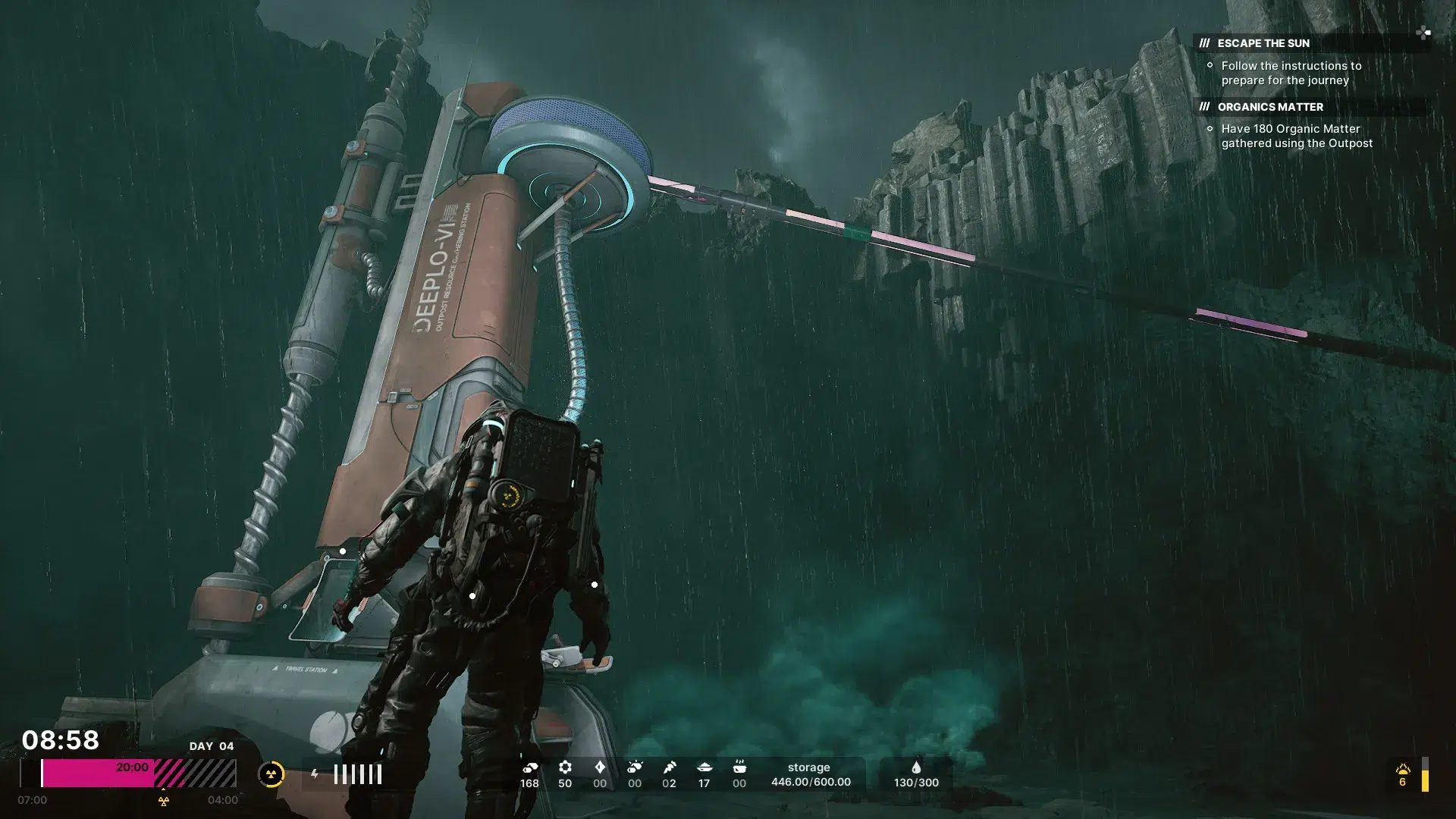
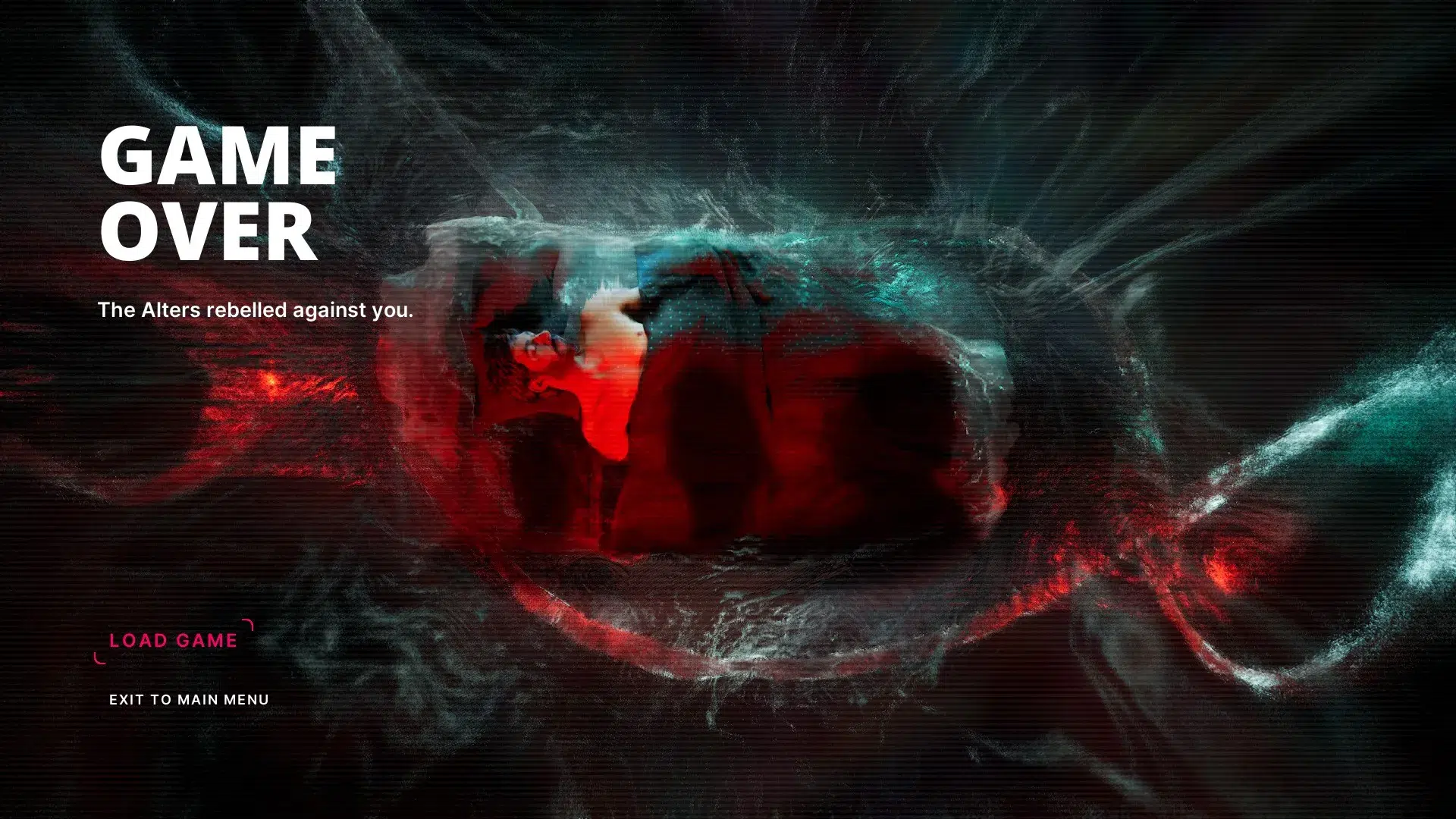
So to summarize the gameplay structure, our goal in each act is to complete the main objective that will advance the plot while making sure to explore the map of that particular act and keep our crew and facilities in the best possible condition. Combining all of the above is not easy at first and I won't hide from you that I saw the game over screen 2-3 times, however the game does a good job of gradually increasing the complexity and offers plenty of autosaves so that we are able to correct any mistakes by going back a few in-game days. As is often the case in games with management as the main focus, at some point everything will click as we decode the various gameplay systems and identify the most effective way to manage in order to achieve objectives and progress. The feeling of satisfaction when we reach this point is the best part of these games, the feeling that now our robust management has turned the crew into a well-oiled machine. In any case, complacency is forbidden because The Alters makes sure to periodically introduce new challenges that upset plans and tactics.
When the time came to evaluate the game as a whole I was faced with an unexpected realization: I couldn't find any obvious drawbacks in The Alters beyond some bugs that are gradually being fixed with patches. The developers had a specific vision in mind and executed it to a high level of quality, with any complaints being entirely subjective and dependent on the preferences of each player. Someone might prefer more complex resource management, another might prefer deeper RPG elements, a third might want less plot and more action. For me, the chosen mix of its individual gameplay elements worked perfectly, it was all exactly as needed to keep my interest undiminished for the full duration of my playthrough. I haven't reached the finish line yet (as I said, 2-3 game overs came up that forced me to backtrack) but I'm looking forward to playing again and probably starting a new playthrough to see the outcome of different choices. The game is special, it might not be for everyone because it can't easily fit into the norms of known genres, you might even get bored or tired if you don't gel with it, but if it does sink its claws in you I am confident that you'll enjoy it.
RATING - 92%
92%
A game that is not for everyone, but its fans will remember it for a long time to come.