
I absolutely adore Supergiant Games. I was fortunate when, back in 2011(?!), a fellow student and good friend encouraged me to check out Bastion, the company's first venture into the world of video games. I was immediately captivated by the design, the music paired with the script, and the broader gameplay. It was something different but at the same time familiar, an ode to video games, music, and artistic expression more broadly. Every subsequent release by Supergiant Games has had soundtrack as its cornerstone (with Darren Korb as permanent contributor/composer), with distinctive artwork and a unique identity, from Pyre to Transistor. And then came Hades... The game that managed to combine the addictiveness of roguelites with the gameplay pillars of Supergiant Games in a Greek mythology setting. There's not much I need to repeat, since George "Sephir" Dempegiotis' review analyzes the game in detail. And if that doesn't convince you, the awards it swept in 2020 and (especially) 2021 should be enough evidence.
Among these is writing, both the Hugo Award and the Nebula Award—prestigious awards for fantasy writers. This is perhaps the only point on which I disagree with George's review, as the myths and Orphic Hymns must have been studied in great detail by the writing team in order to deliver exceptional writing interactions beyond the basic script. The constant repetition of runs never led to a dead end, as it always yielded something, whether it was a small piece of flair text or progress in entire storylines of Zagreus' secondary characters. A typical example is the prank that Zagreus and Dionysus come up with by telling Orpheus that he is a god himself. The result is preserved in the Orphic Hymns, an example of meta-humor and how much work they put into creating something profound and believable based on the original sources. Hades II follows in the same vein.
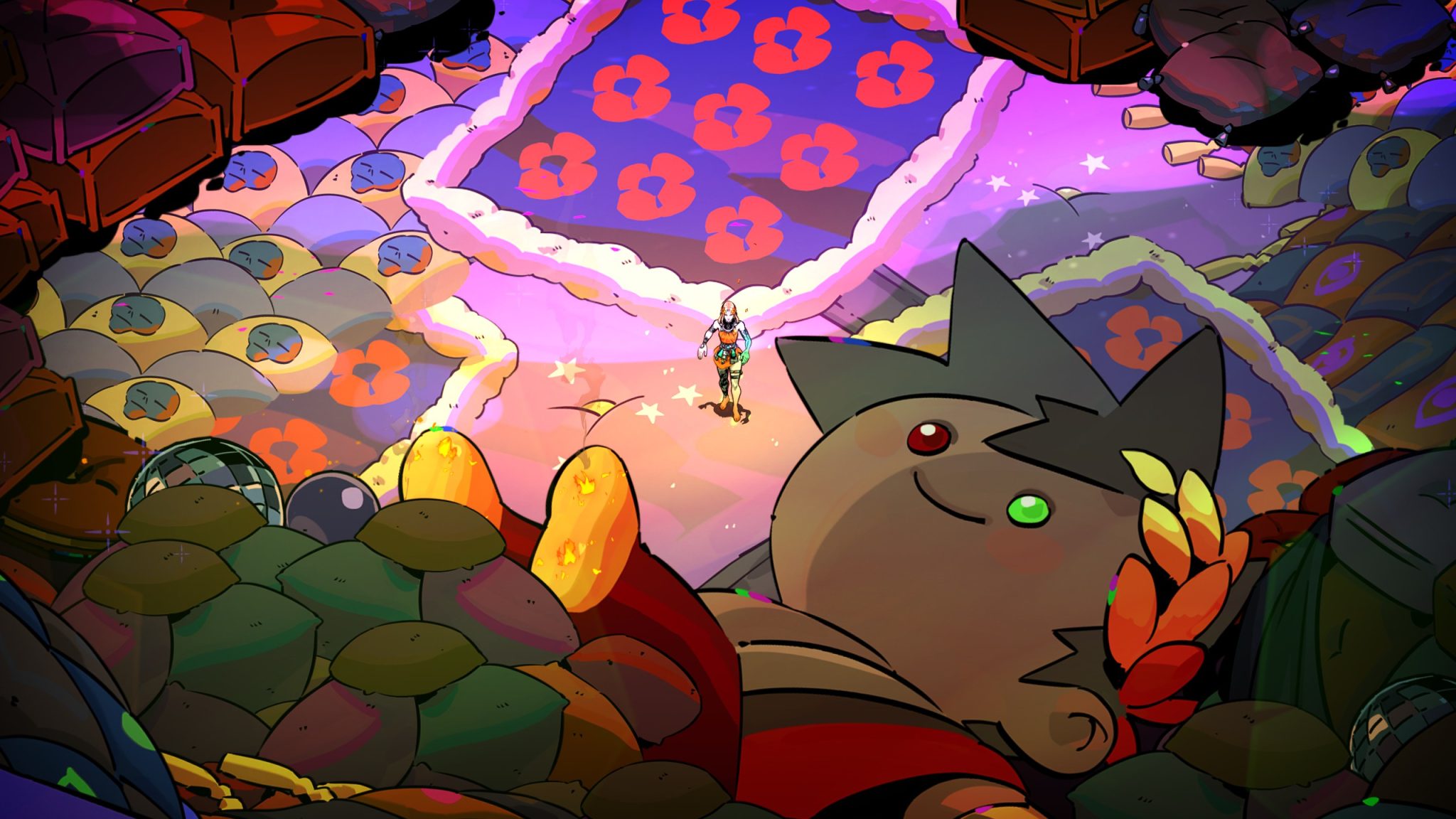
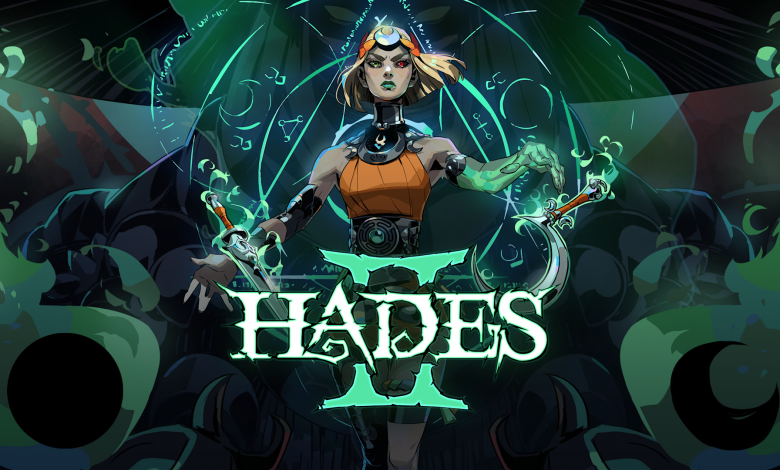
Playing as Melinoë, daughter of Hades and Persephone, younger sister of Zagreus, we try to deal with a cosmic threat that shakes both the Underworld and Olympus. The stakes are extremely high, clearly far greater than those faced by the rebellious young god-brother who simply wanted to escape his father's harsh upbringing in the first part. As a result, the whole plot is presented in a slightly more serious tone than the rather humorous first part (which does not mean that there are no funny moments). From our base, which is none other than the Crossroads, we interact with various deities such as Hecate, the daughters of Nyx (such as Nemesis and Eris), and well-known heroes (Odysseus, Icarus). This time, instead of the chthonic deities, we have witches and rituals in the foreground. Everything is explained gradually in the script, from how Melinoë ended up alone under the protection of Hecate to the deeper reasons behind her mission to eliminate [REDACTED]. Naturally, the game is full of references to the events of Hades, and we visit various locations in it at certain points.
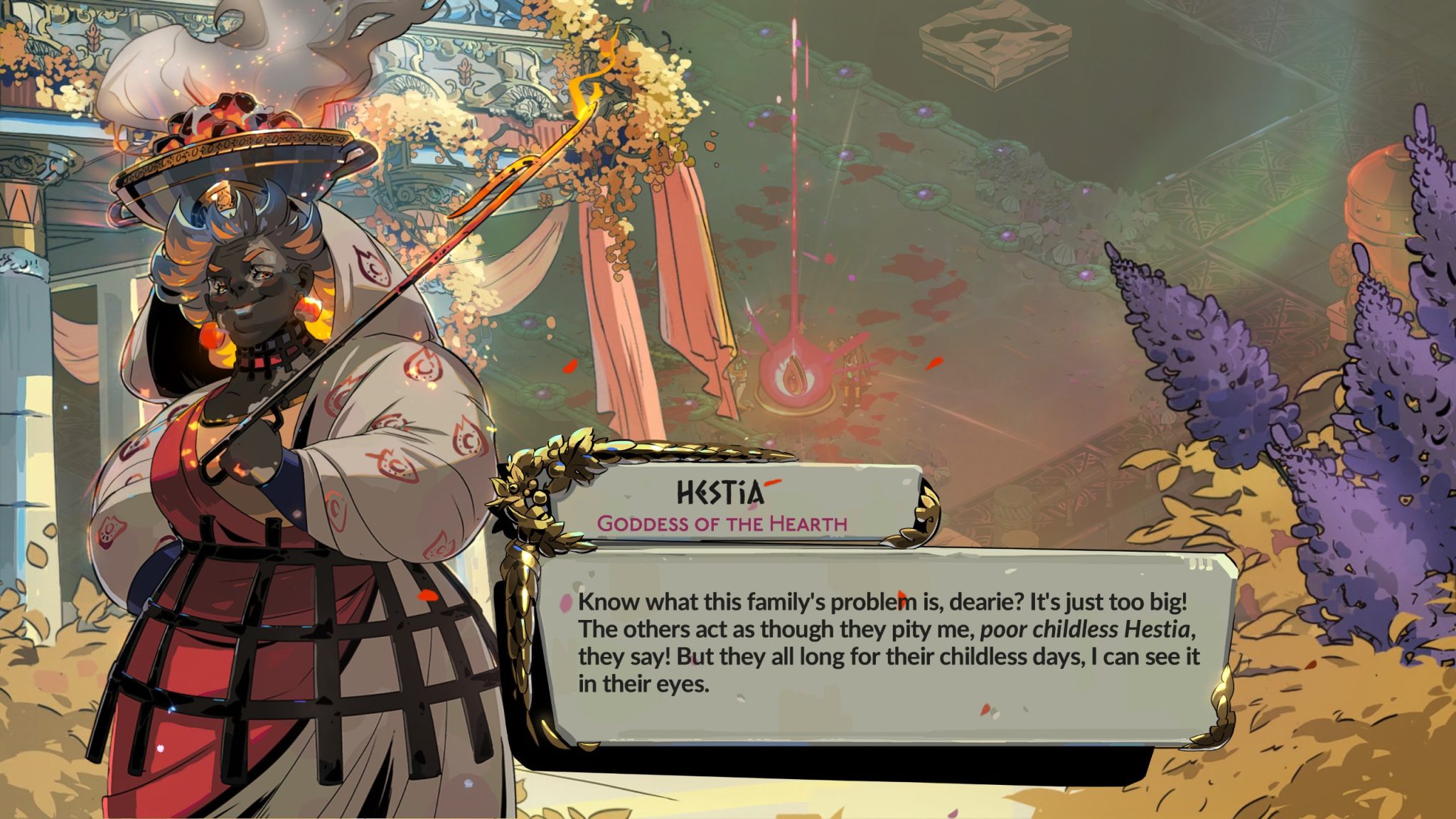
The exposition of Hades II takes place in exactly the same way as in the first game: we make a run, we may encounter various NPCs and deities who will give us their blessings (boons), and we return to base to talk to the available NPCs until our next attempt. Unlike the first game, here the plot development is somewhat abrupt; it feels like that the build-up to the ending is lacklustre. For those who don't know, the real credit roll in Hades comes when we manage to defeat the final boss ten times. This is also the case with Hades II, with some differences in gameplay. However, the plot itself develops abruptly, feedback that must have come in massively to Supergiant Games and is intended to change immediately with the next patch so that there is a more organic shift in [REDACTED] that will justify the continuation of runs after the credit roll, as was the case in the first part.
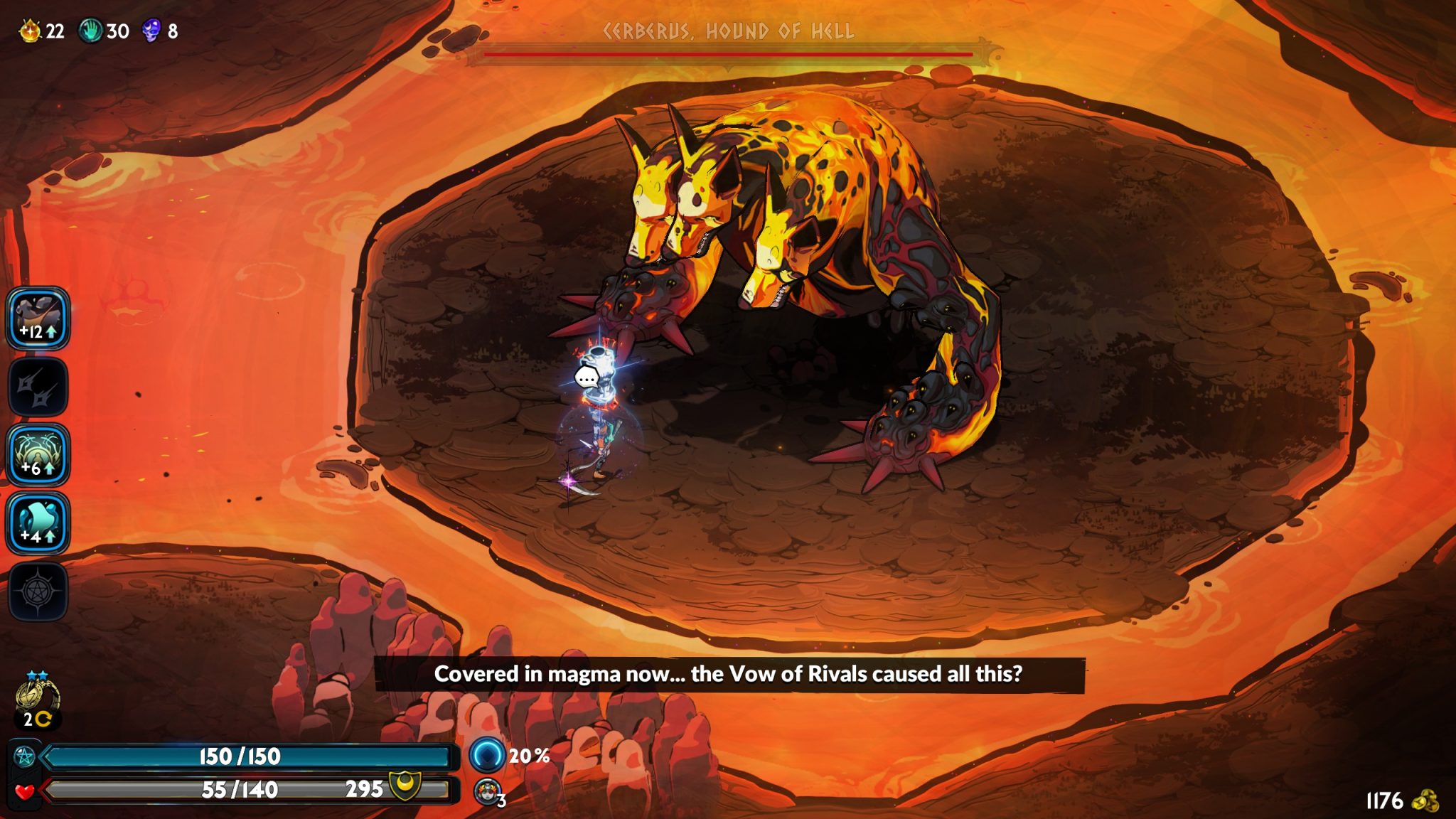
When discussing the conditions for completion, we must consider perhaps the most significant difference in the game, which is the existence of two locations. In order to complete her mission, Melinoë must choose between descending into the Underworld to save her House from destruction or, after several attempts, ascending Mount Olympus itself! As you can imagine, this presents a literal crossroads of decisions in each run. The path on the surface is slightly more demanding and noticeably more difficult as you progress, unlike the Underworld, but it offers opportunities for more experimentation. In total, you will need about five successful runs in each location to see the ending (but not the epilogue). This comes with a small caveat, because, as we said, Supergiant will be releasing a major patch in the near future that will change the requirements and course of certain events in the game world, making some a little easier to complete (such as the story of Arachne) while there will be a more organic build-up of the plot towards the ending.
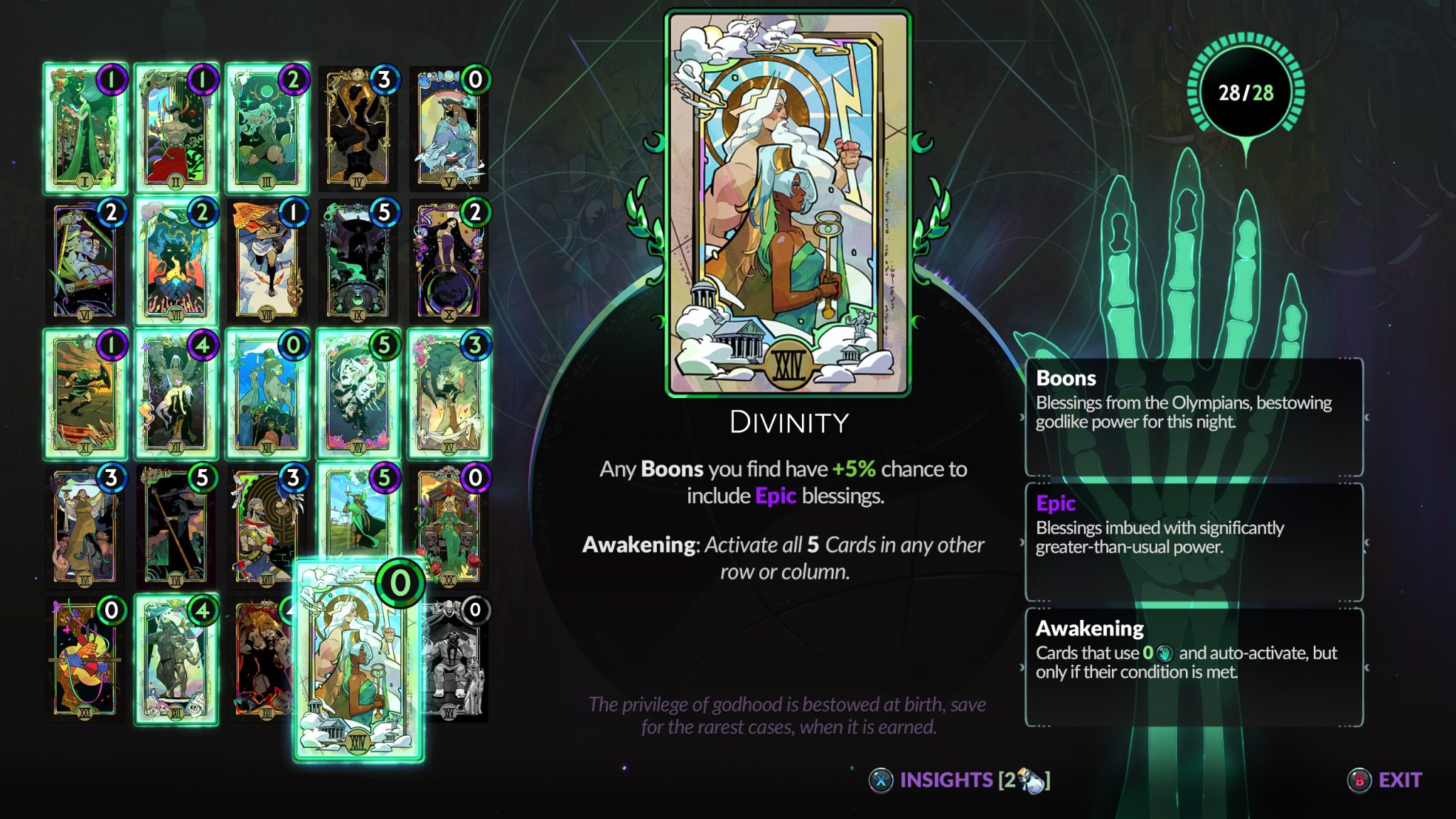
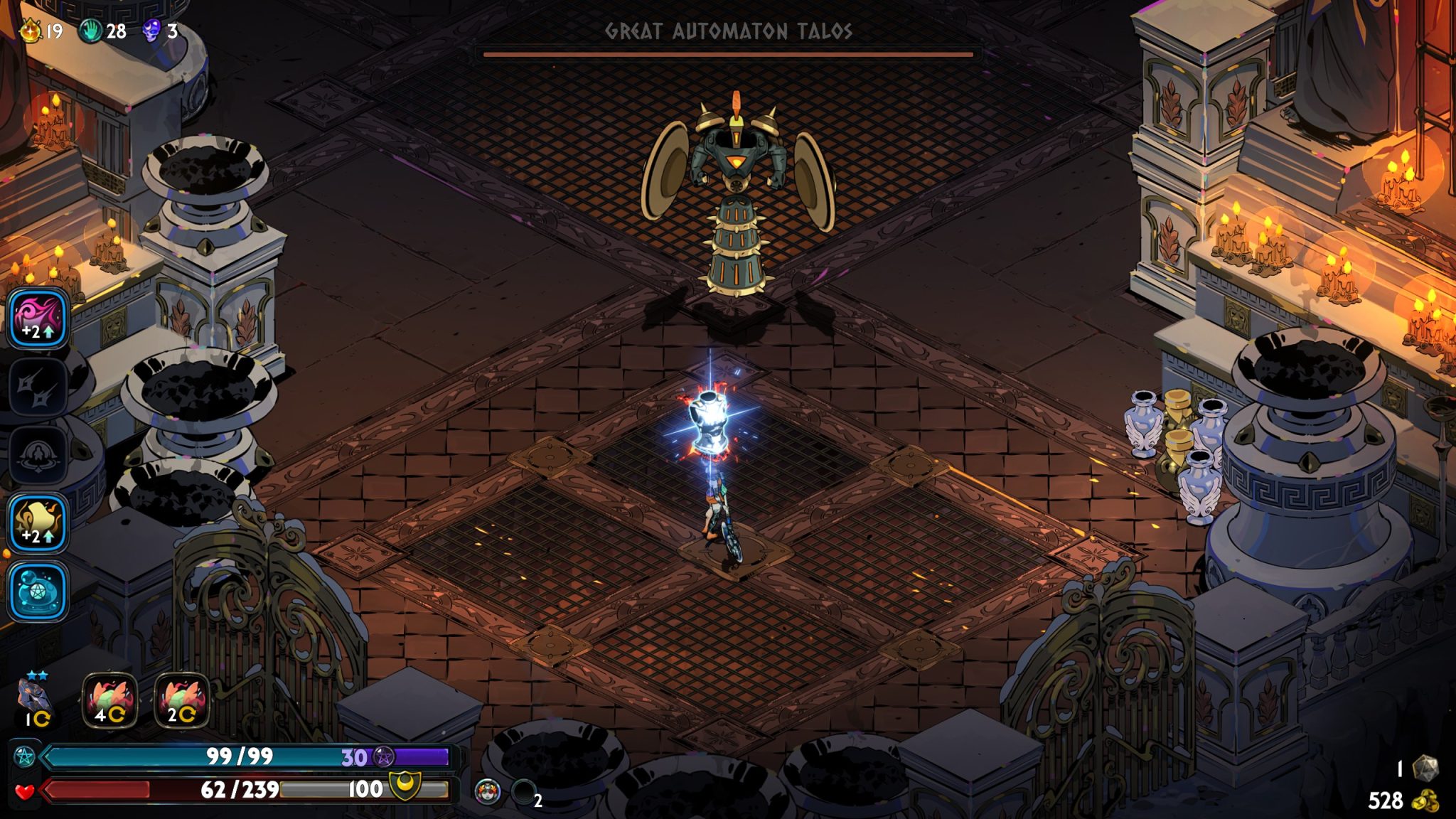
In terms of experimentation, this has increased significantly through small, methodical changes to gameplay and how Melinoë sweeps everything in her path. The most noticeable is the Cast ability, which no longer has a finite number of uses but is a separate and fully usable spell-like ability. Some gods have been removed from the general repertoire and can be encountered in specific cases (Artemis, Athena), mainly for gameplay balance reasons. Extending the engagement time even further, as the nights (i.e., runs) pass and Melinoë grows stronger, more gameplay options appear, starting with the arsenal (Nocturnal Arms) where we unlock different versions of weapons from Melinoë's staff to the Black Coat. Weapons for all tastes and preferences, which have great synergies with both the properties of the gods and interactions with the Cast and Omega moves (i.e., attacks when we hold down the button while using the Magick resource). For someone who has recently played Hades, the weapons may seem very awkward in how they work, but as we said: we now have a different character to learn all over again, and that includes the available moveset. And if all this seems boring after a few attempts, there is the option to increase the difficulty of the runs through modifiers (e.g., increased enemy health or completely different boss fights at the end of each area). Unlike the first game, I found the synergies in Hades II to work even in runs that I had written off as unsuccessful. The balance of the various boons throughout the gameplay moveset has been masterfully achieved!
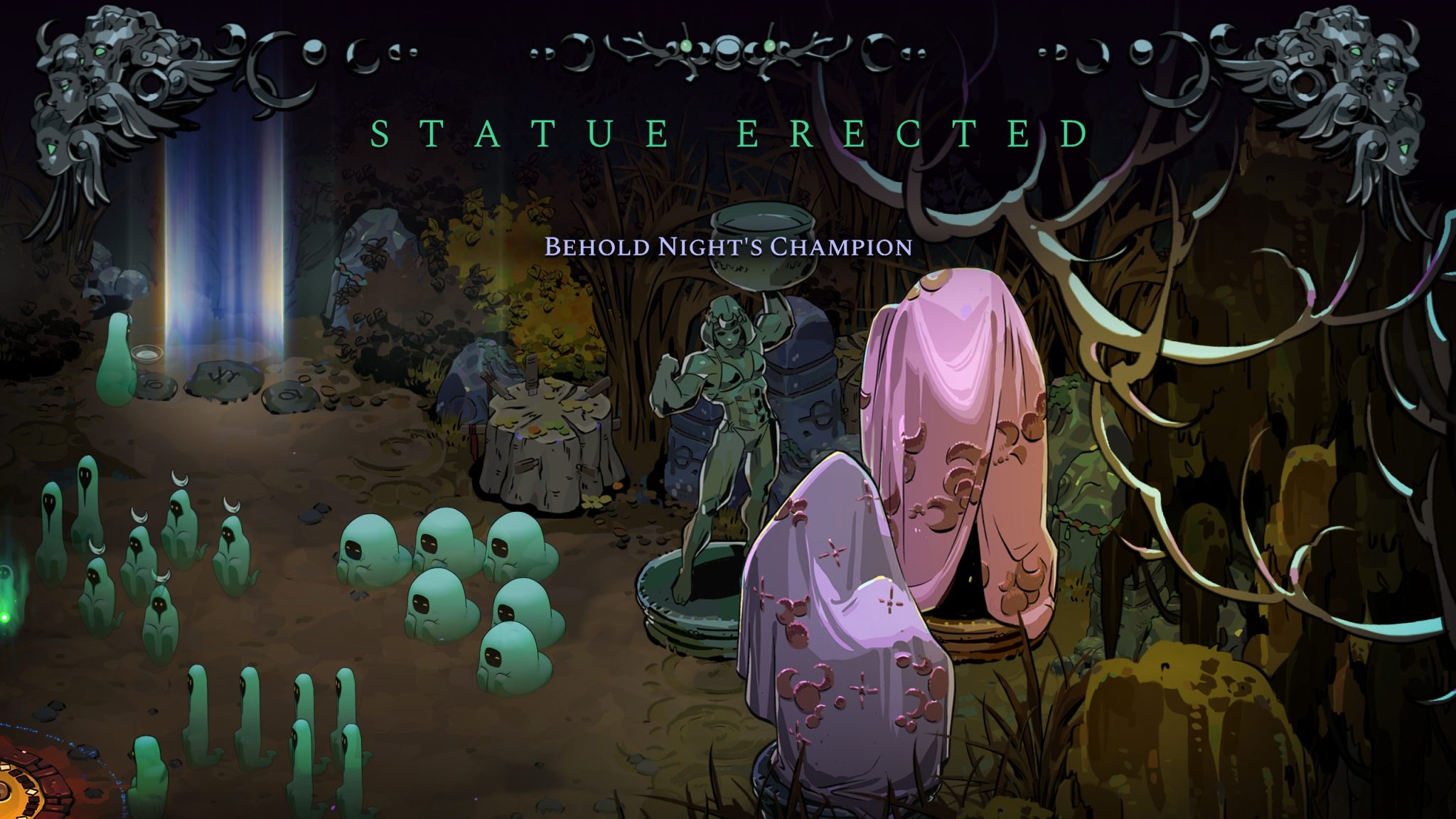
Special mention should also be made of the series' soundtrack, which remains at the highest level with songs that are already smash hits since Early Access, such as "I Am Gonna Claw (Out Your Eyes Then Drown You to Death)" and "Moonlight Guide Us." The melodies and vocal harmonies are so distinctive that anyone can immediately recognize them as being part of a Supergiant game. Every note fits perfectly with what is happening on the screen, with the bass-line after clearing each alley of Ephyra (the first area of the Surface) being sweet, acoustic dopamine. As I mentioned in my review of Silksong, award judges will have a difficult time choosing between Hades II, Silksong, and Clair Obscur: Expedition 33 for best OST.
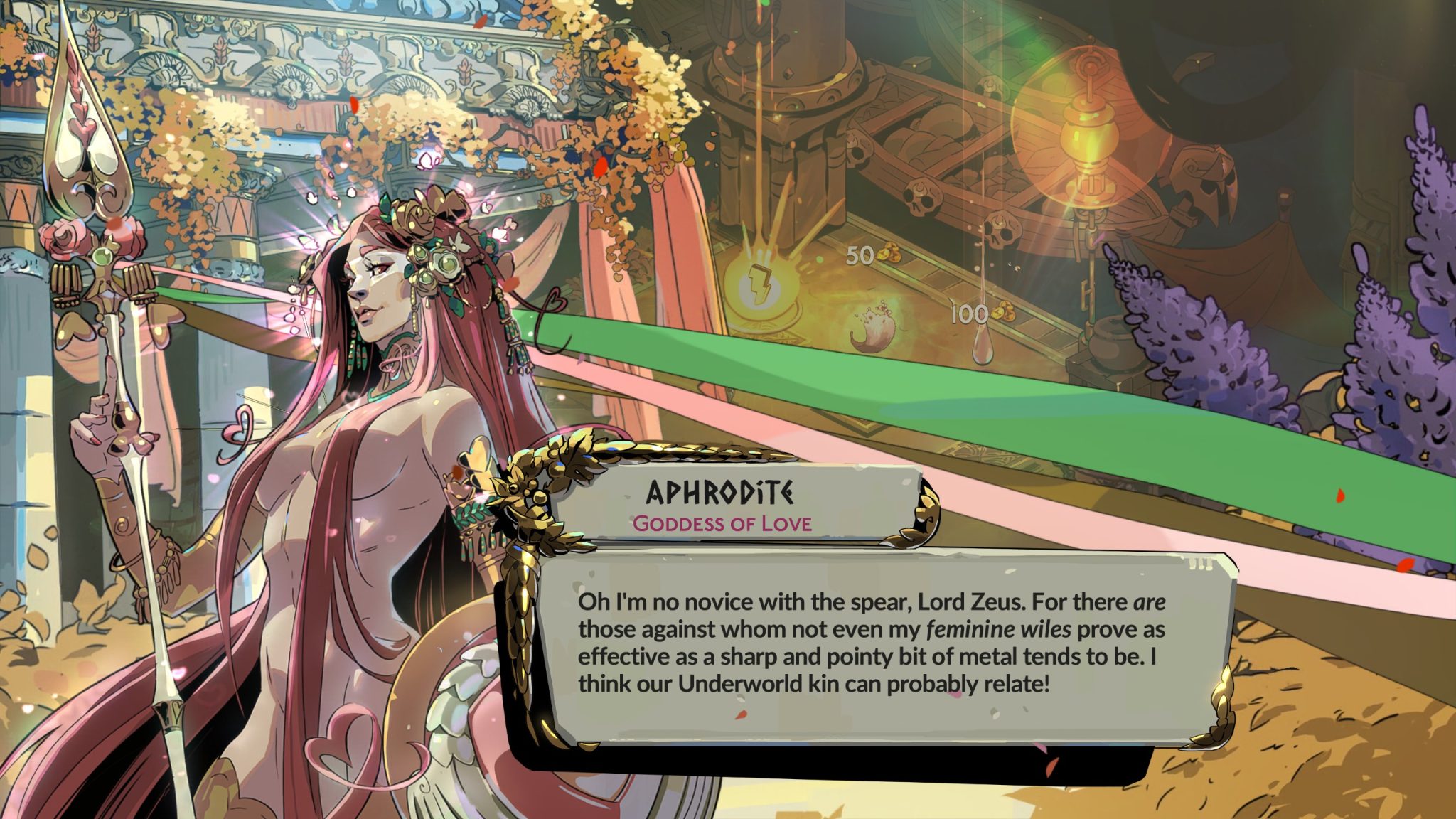
Having divided my time playing the game almost equally between Early Access (from May 2024, ~39 hours before I stopped) and after its release (another ~40 hours), I have to say that Hades II's gameplay has been improved in all areas compared to its predecessor. Highly addictive, the options available to the player, combined with the runs that open up mainly on the surface, promise hundreds of hours of gameplay for completionists. Combine that with the snappy, 24 carat gold dialogue with the gods and many enemies (I would recommend turning off the music in the settings in the second area towards the Underworld, Oceanus, and reach the boss for such a conversation) and you have a winning formula. Once again, Supergiant Games has delivered an exceptional title, starring music, action, and fun.
RATING - 97%
97%
Lunar and magical.
Hades II takes the addictive roguelite formula of the first game, adds a few spices with minimal modifications, and delivers an improved execution. So mote it be.