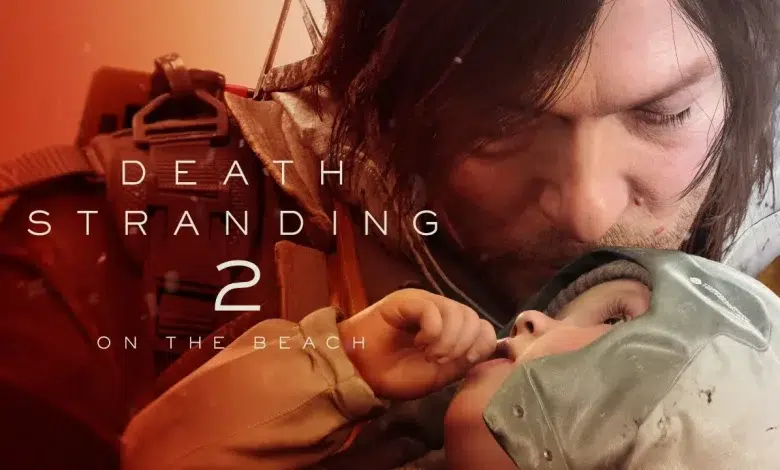

Repent, Kojima is back! The (putting it charitably) eccentric creator presents the sequel to Death Stranding, the unique delivery simulator that cemented Kojima’s legend as a prophet after he managed to predict the real-world isolation of the global population due to the pandemic. In the first game our protagonist, Sam Porter Bridges, managed—with his backpack slung over his shoulder—to reunite the U.S. by joining the Chiral Network and prevent an extinction event, ultimately choosing retirement so he could raise his son in peace. As you can imagine, this family peace won’t last long, as duty calls him once again!

If you haven’t had a chance to play the previous game, the gameplay can be briefly described as a delivery simulator with elements of stealth and action. The spirits of the dead walk the earth following the Death Stranding phenomenon and the population has isolated itself in small underground communities since the surface is now lost. Under these conditions, porters—fearless delivery people who can face dangers and transport goods over long distances—have become the heroes of everyday life. The transport of goods or supplies, initially on foot and later by vehicles and other methods, is a difficult undertaking, on the one hand due to the rugged terrain with various natural hazards (cliffs, rivers, weather phenomena, etc.), and on the other hand because of the criminals who exploit the lawlessness of the surface, but also because of the spirits of the dead who relentlessly pursue the living if they sense their presence.


As a sequel, Death Stranding 2: On the Beach is what we would call straightforward. The gameplay remains the same, the plot and presentation follow the same structure and style and the overall experience is clearly aimed at those who enjoyed the previous game in the series, as well as those who found the concept interesting but the gameplay somewhat tedious. The main difference in Death Stranding 2 is that the developers tried—and succeeded—in making the gameplay more accessible, especially during the first few hours which were particularly grueling for players in Death Stranding. Here the player gains earlier access to the necessary equipment to handle most adversities, character controls—both for movement and combat—have clearly been smoothed out and the terrain itself gave me the impression that it’s more even and features more accessible areas compared to the rugged terrain of the previous game.

At the same time, perhaps the most distinctive feature of Death Stranding continues to play a central role in the sequel: the element of indirect collaboration with other players through the construction of structures and infrastructure that appear via the server in other players’ worlds. Once you connect an area to the chiral network some of the infrastructure built by other players will appear there and the same goes for whatever you build. In fact, you can “like” (!) the ones that helped you and thus strengthen your online connection with various players. The whole "like" system might seem a bit… cheesy, but ultimately it achieves its goal: to create a sense among you and other players that everyone is in this together and that we should help one another. Just like in Death Stranding, it’s a beautiful message that Kojima manages to convey indirectly and he deserves credit for that.

All in all, Death Stranding 2: On the Beach is a textbook example of an improved sequel. I don’t think it will win over players who didn’t like the first Death Stranding since the gameplay hasn’t changed much, but fans of the previous game have no reason to skip it. Furthermore, the PC port is in pretty good shape at launch with solid performance and few bugs that are addressed by the initial patches. The only thing I’d like to mention— not as an objective drawback but as a subjective assessment, is that the improved and smoother gameplay takes away a small part of the relief and joy I felt in the first game when I completed a difficult delivery or when I found another player’s lifesaving structure in the wilderness. The more clunky controls and greater adversities made the experience in the first Death Stranding more intense, while in the sequel the emotions are somewhat more subdued. In any case, however, Death Stranding 2 is a worthy sequel and a good purchase.


Thanks to Sony Hellas for providing the review code.
RATING - 86%
86%
An improved, smoother but not groundbreaking sequel that will mainly satisfy fans of the first game.