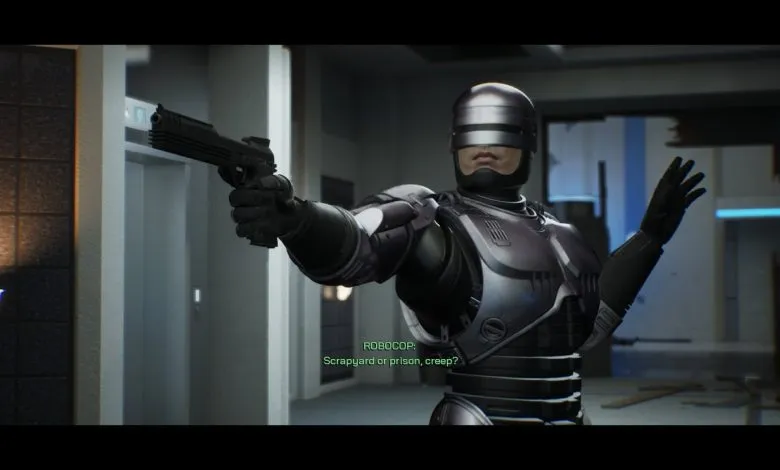

The Polish developers of Teyon are undoubtedly fans and deep knowers of the 80s action movies that are loved by every serious individual, and they have consciously attempted to transfer the action and atmosphere of these films into the format of a videogame. Starting back in 2014 with the rail shooter RAMBO: THE VIDEO GAME, they then tackled Terminator: Resistance in 2019, an FPS with RPG elements that is widely regarded as the best Terminator game released so far. In much the same vein is their latest involvement with another beloved 80s action franchise, the highly anticipated RoboCop: Rogue City, which officially releases on November 2.
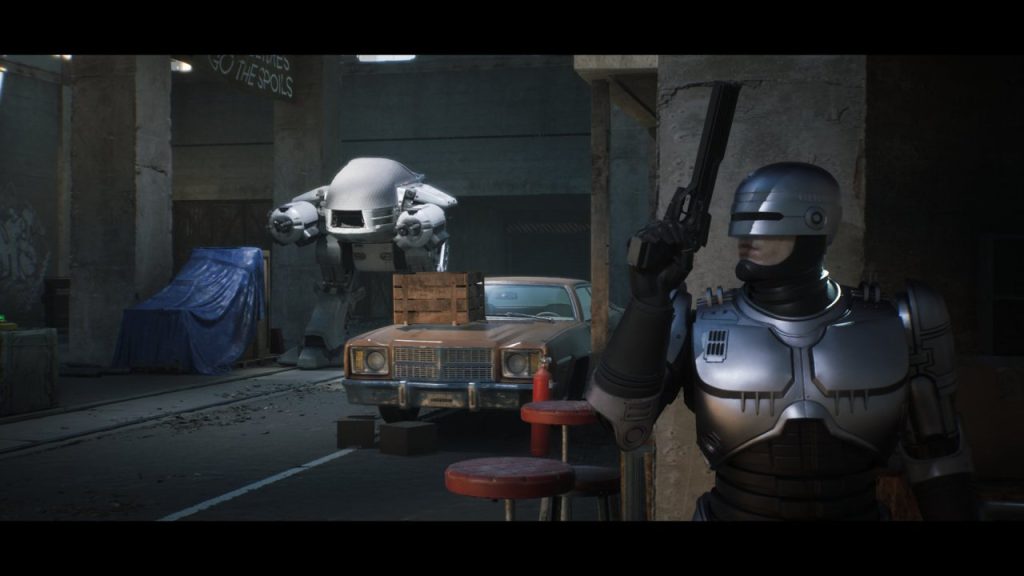
Plot-wise, Rogue City takes place right after the events of RoboCop 2. Cain and his "Nuke Cult" have disappeared from Detroit, and various underworld players are moving in to fill the void. The most powerful of these is a mysterious guy named... "The New Guy in Town" (his full identity is revealed along the way, of course), and all of the city's gangs are doing their best to gain his attention and favor. In this chaotic climate, RoboCop, the Detroit police force's most powerful weapon, is needed more than ever to carry out his prime directives: Serve the public trust. Protect the innocent. Uphold the law.
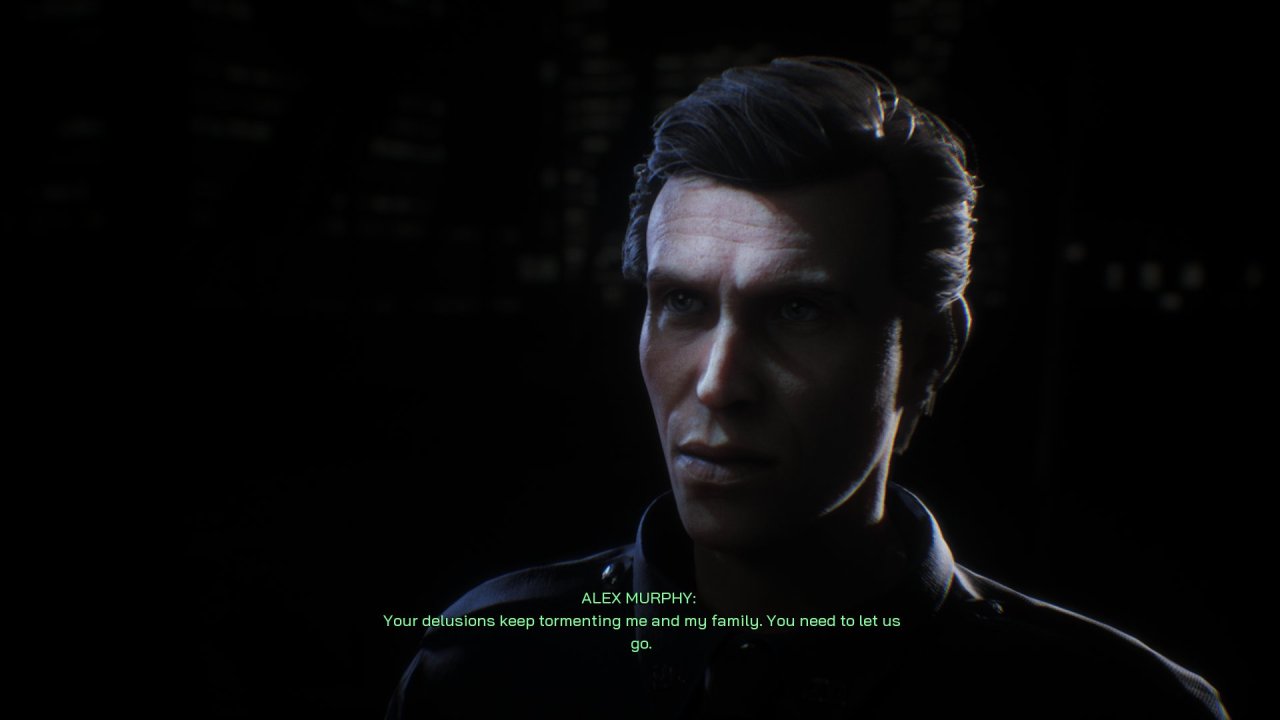
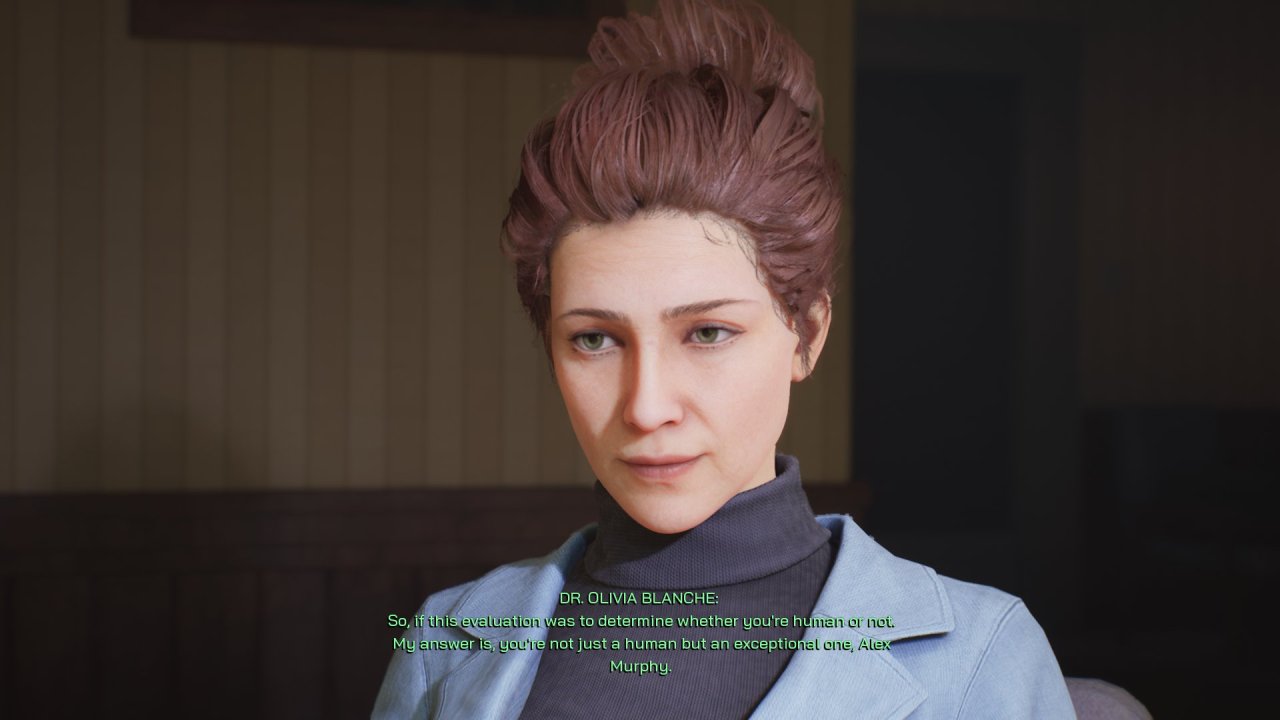
Along with the above, of course, we also have the usual plot themes of RoboCop movies: corruption, secret projects and backstabbing within the megacorporation Omni Consumer Products - OCP - and the conflict between the latter and the Detroit police department, which OCP constantly tries to undermine in order to find an excuse to completely replace it with robotic forces. Then we have the conflict within Alex Murphy's own temperament, with his "dead" human nature struggling to find its place within the cybernetic product that is RoboCop. All against the backdrop of OCP's constant, ardent desire: to build the utopian Delta City on the site of Old Detroit.
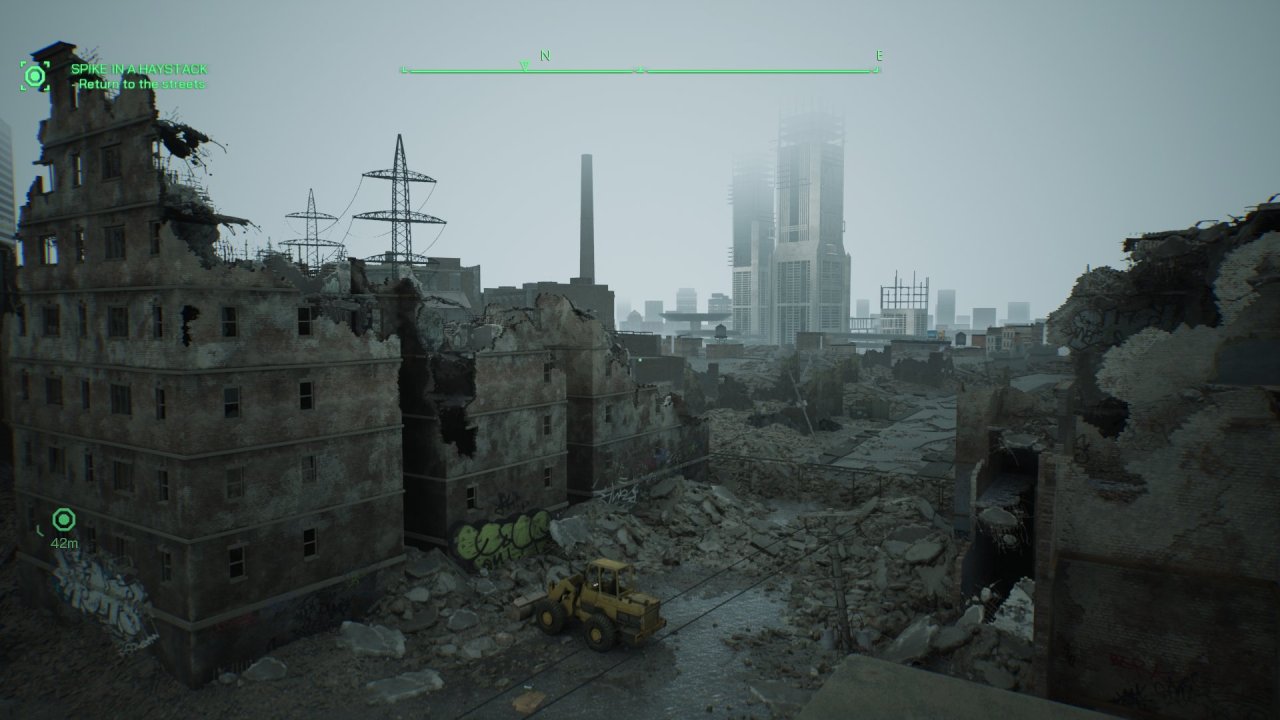
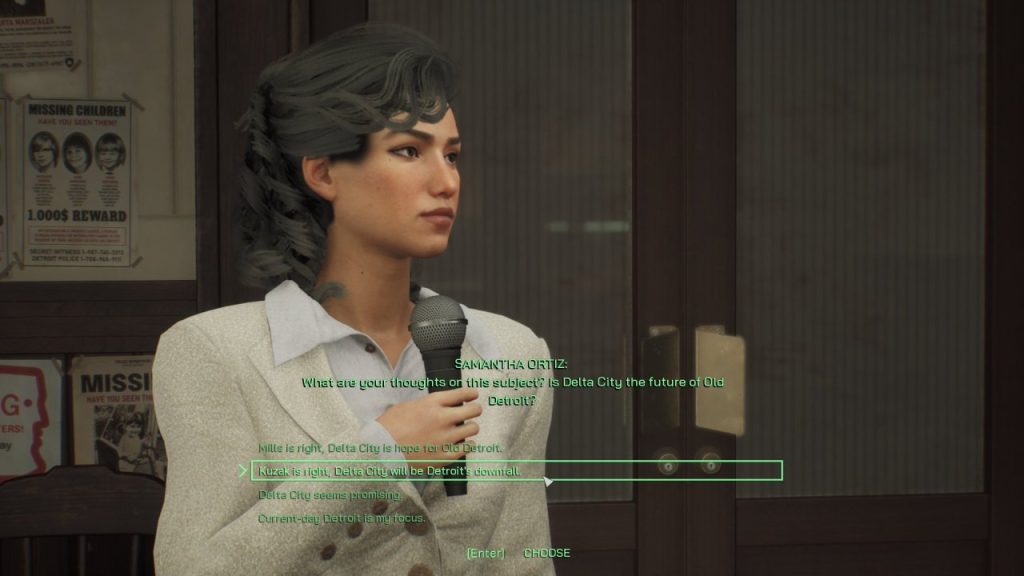
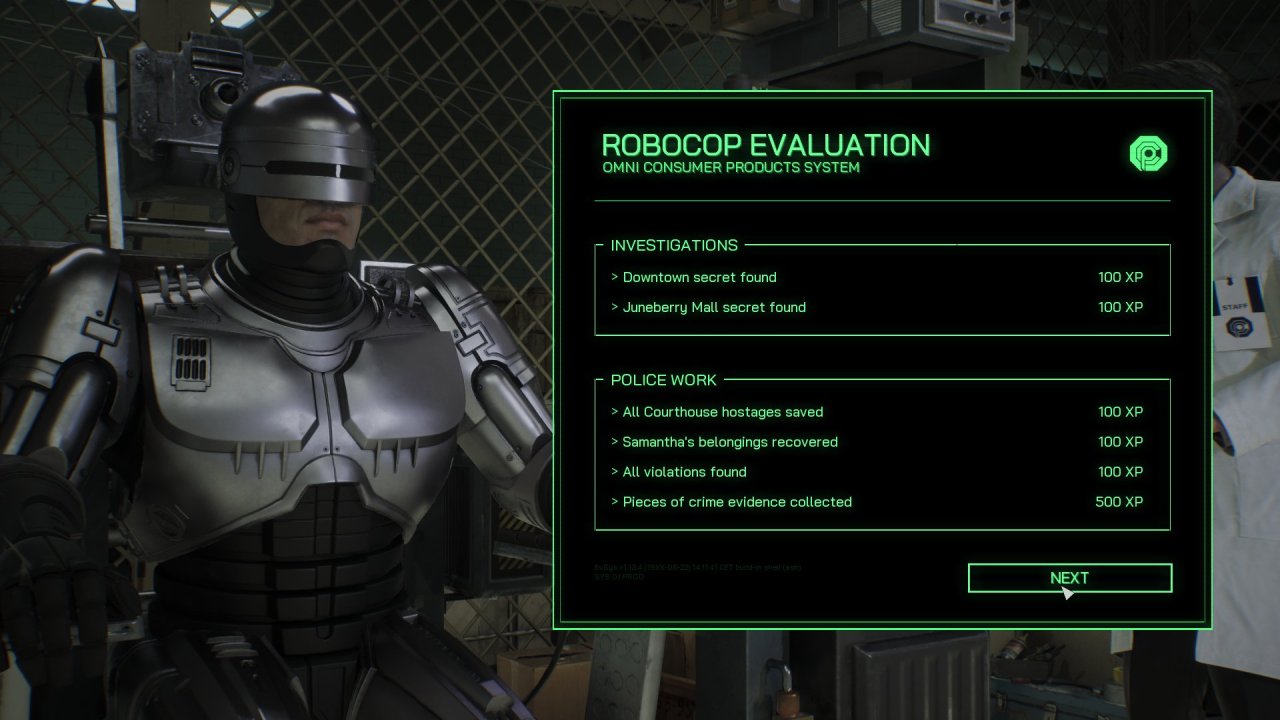
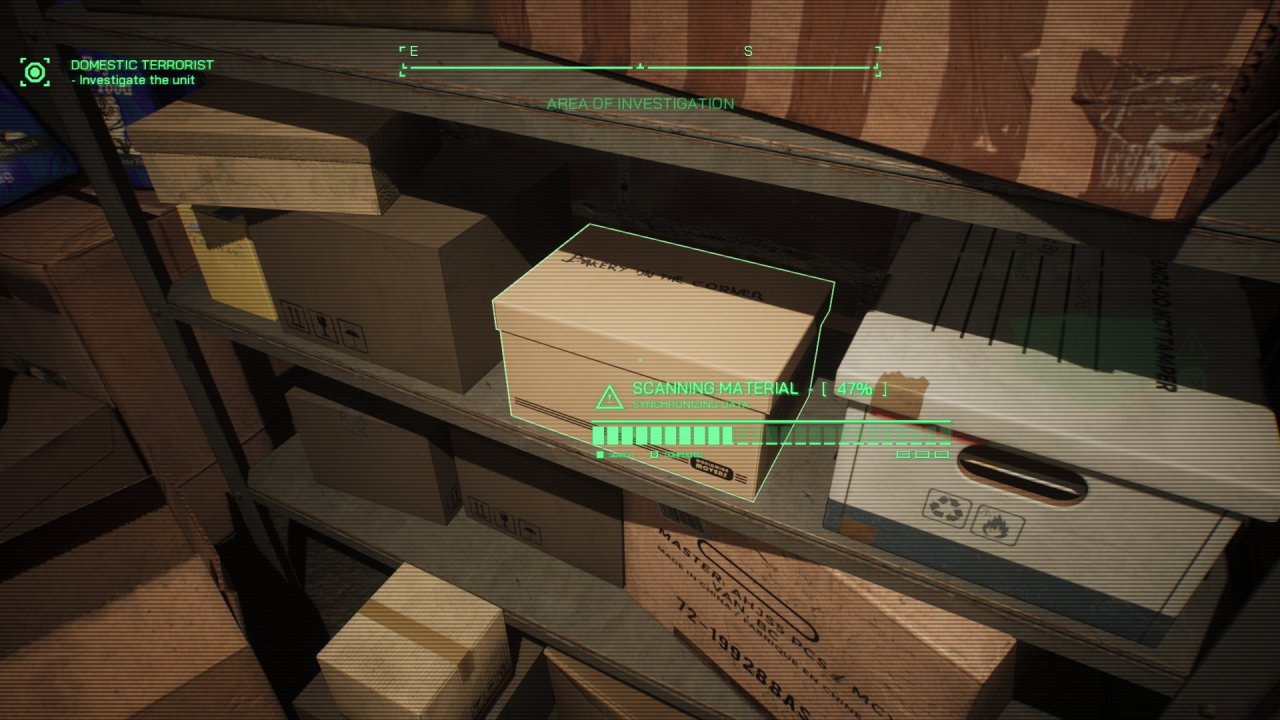
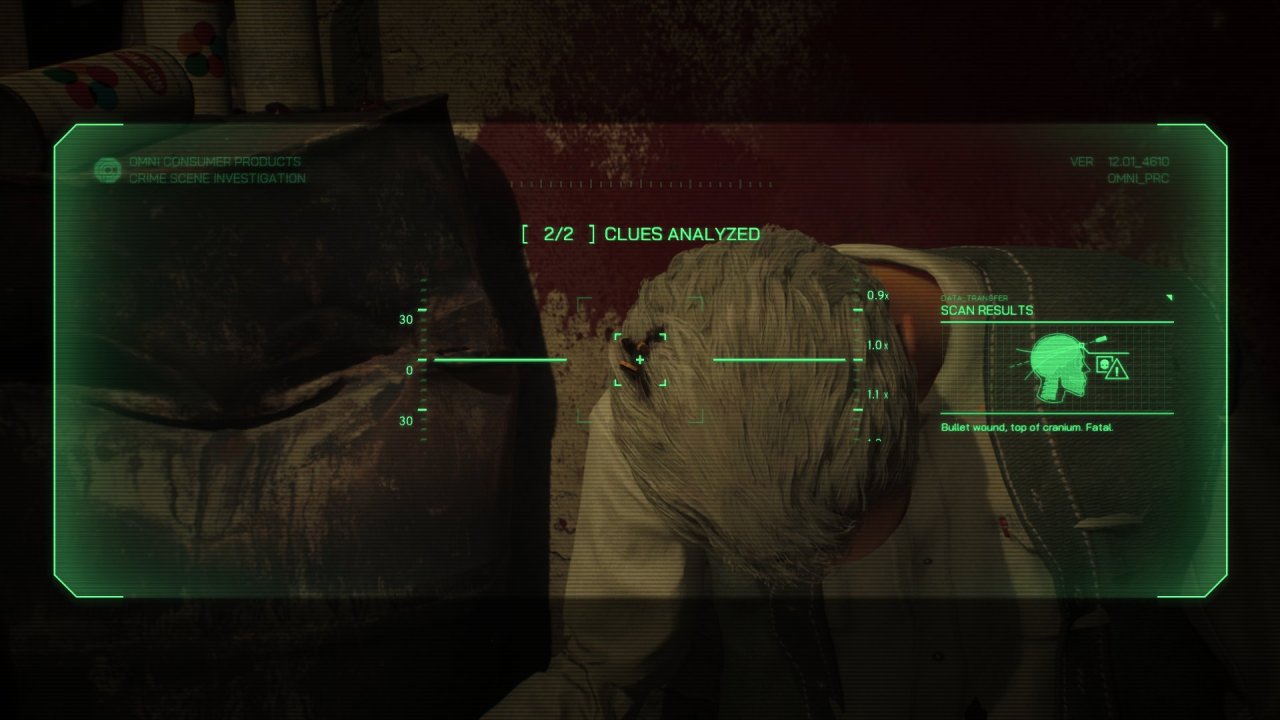
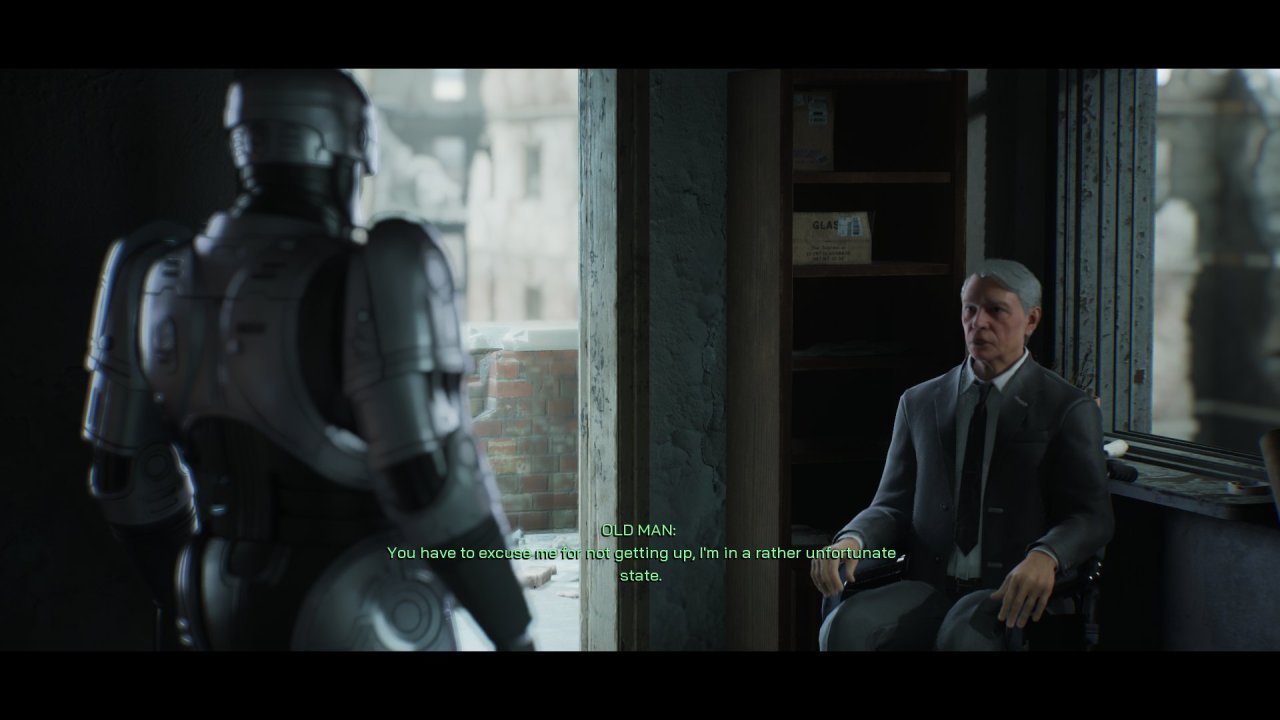
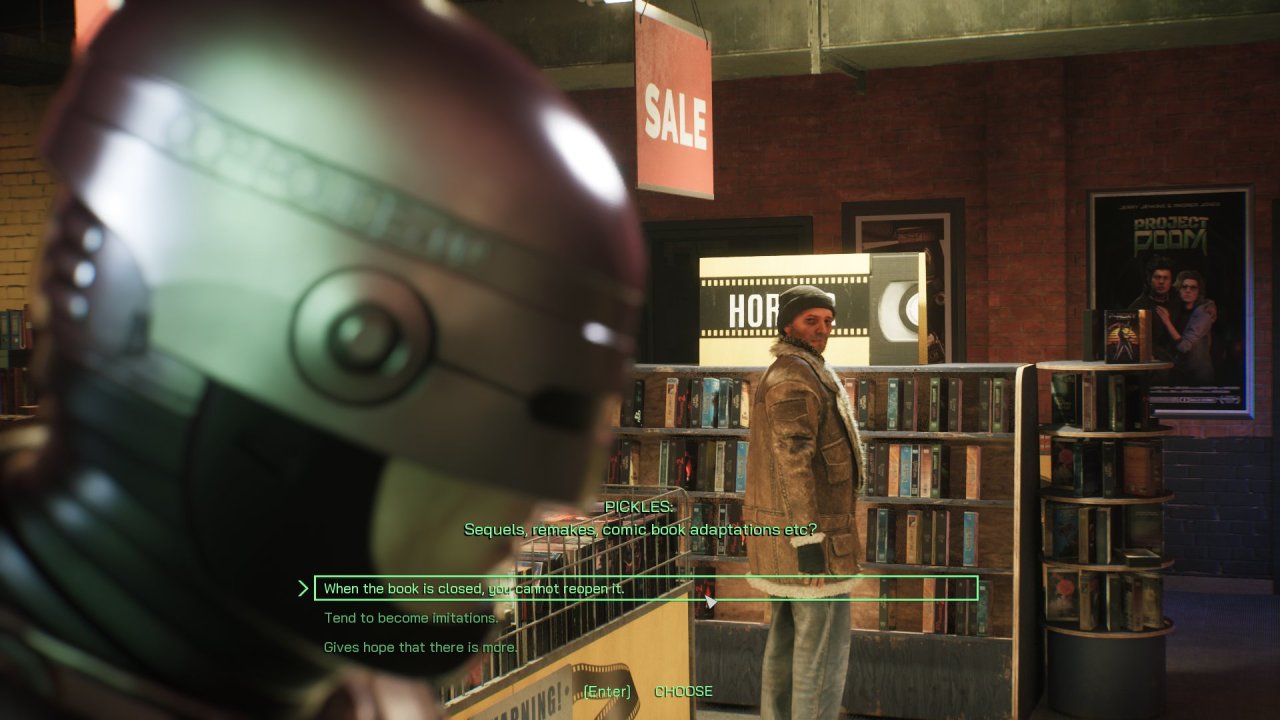
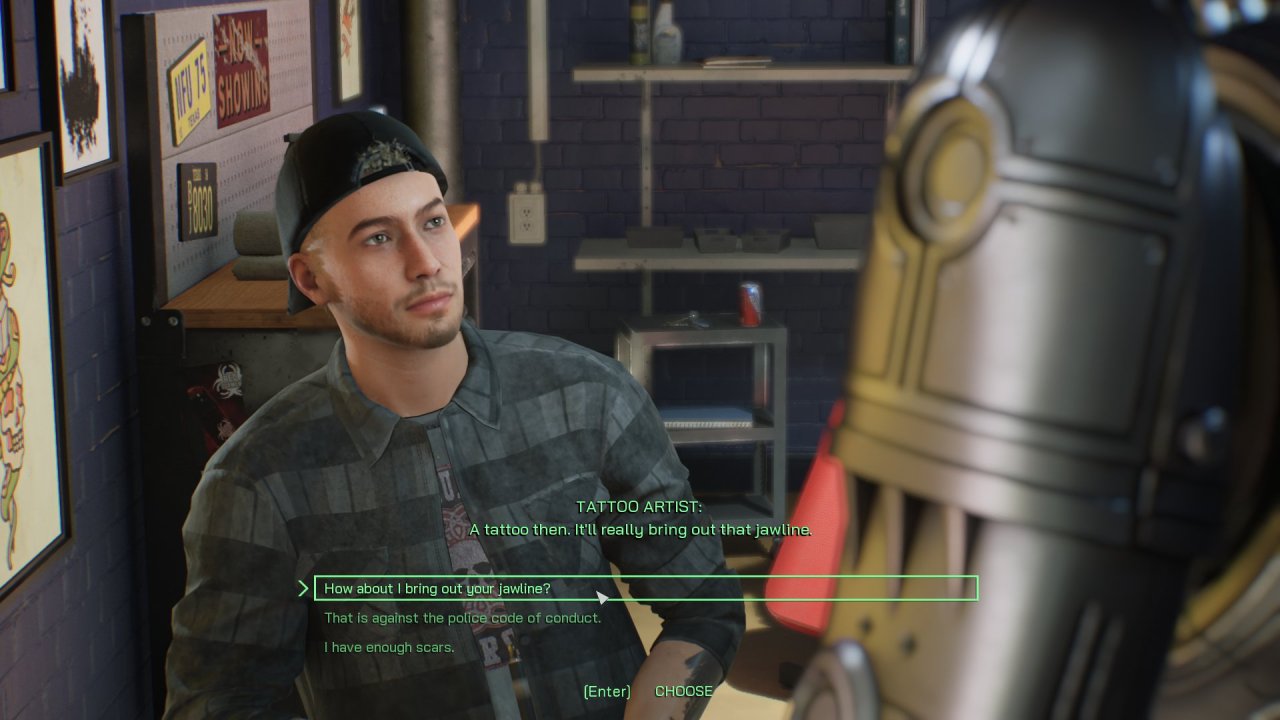
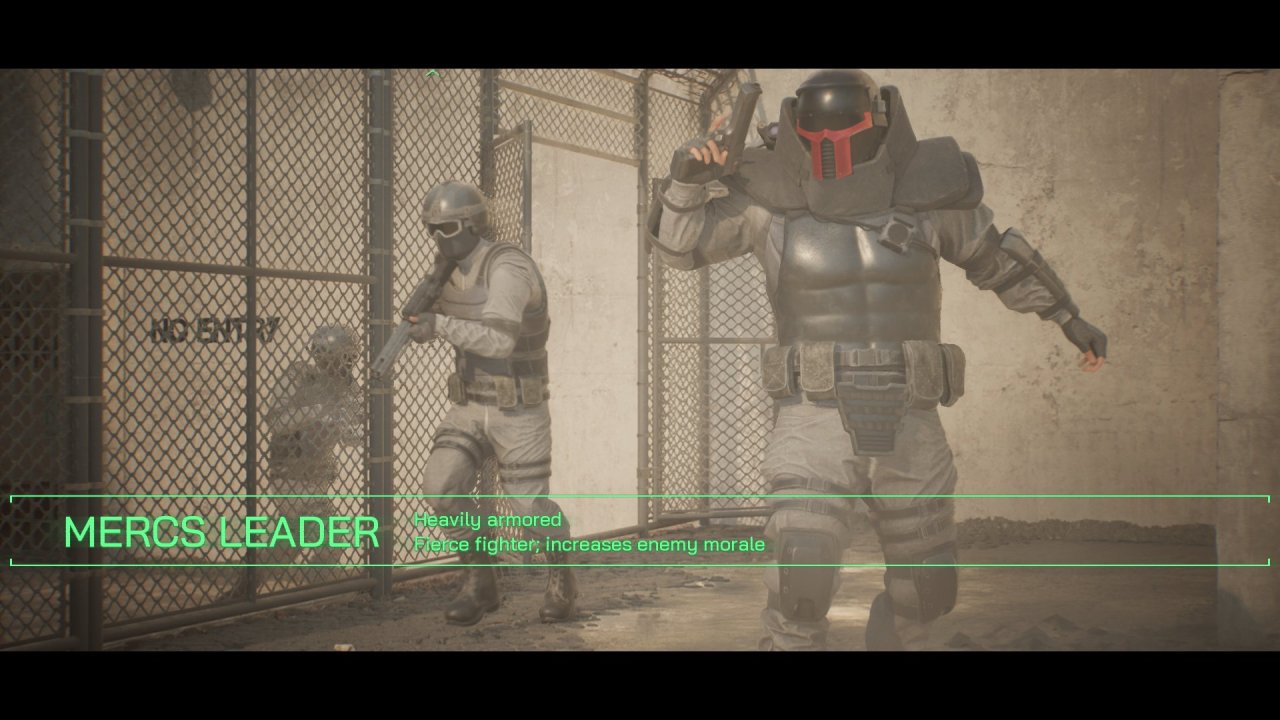
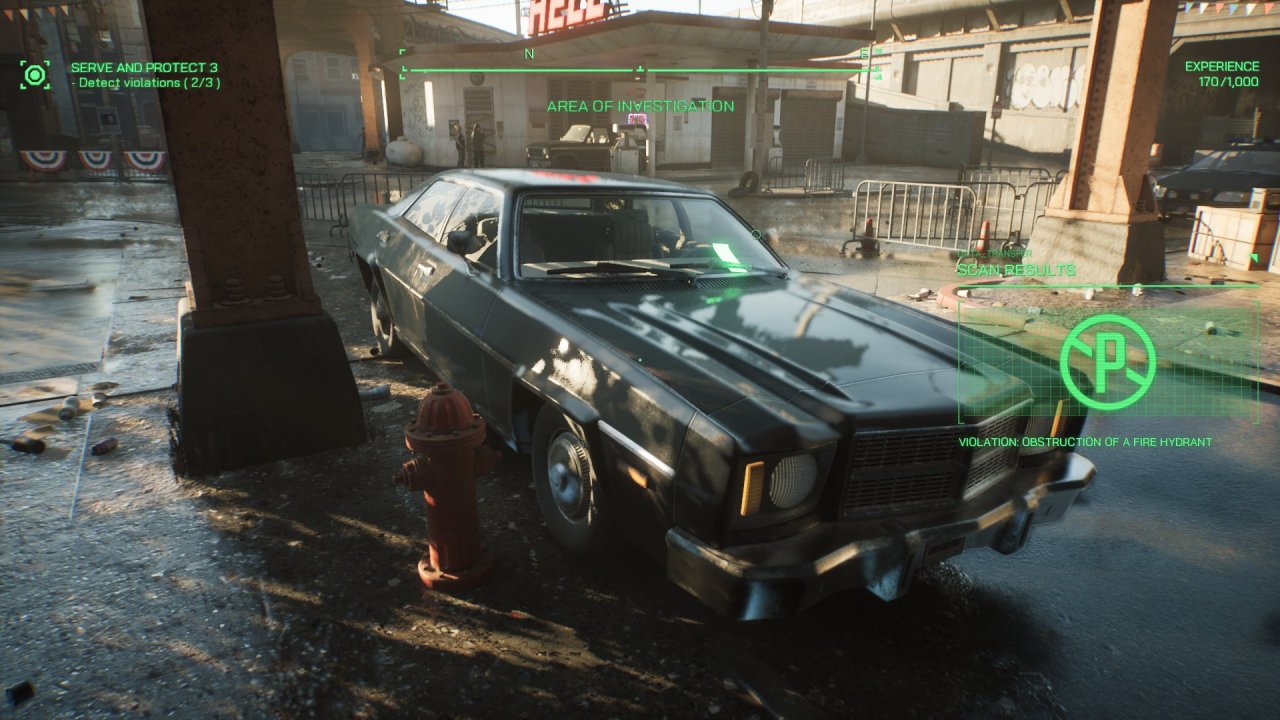
The "chapters" of the main story take place in a sequence of hubs and distinct Detroit locations, some of them familiar from the movies, such as the famous police station, the OCP headquarters, or a notorious Steel Mill where... events transpired, during the course of the first film. We proceed through these in a linear fashion with no possibility of returning after their conclusion, but several of them, such as the police station, are visited repeatedly between missions, encountering different situations there on each visit. The hubs generally contain NPCs we can chat with, enemies to be eliminated, scattered "Crime Evidence" items to be collected which increase Robo's XP, and several optional sidequests. These involve conducting investigations on crimes (right-clicking activates Robo's "scanning" mode, so you can imagine what's involved in collecting evidence at crime scenes) or helping an NPC, and several offer an option in their endings, with these choices affecting the fate of many secondary characters at the end of the game (as was more or less the case in Terminator: Resistance).
For every 1000 XP we gain from missions or items, we earn one Skill Point which can be spent in the available Skill Trees. These are essentially 8 Skills that correspond to some aspect of gameplay, such as Combat, Vitality, Engineering, Scanning, etc, and dedicating points to them provides various bonuses and unlocks special abilities for Robo (e.g. bonus to damage or health, increased range of the scanning function, ability to ricochet bullets to hit enemies under cover, ability to hack turrets, and more). It's worth noting that, given the content the game offers, it's not possible to max out all 8 skills in the same playthrough, so players will have to choose what to level up and which skills to unlock depending on their preferred play style.
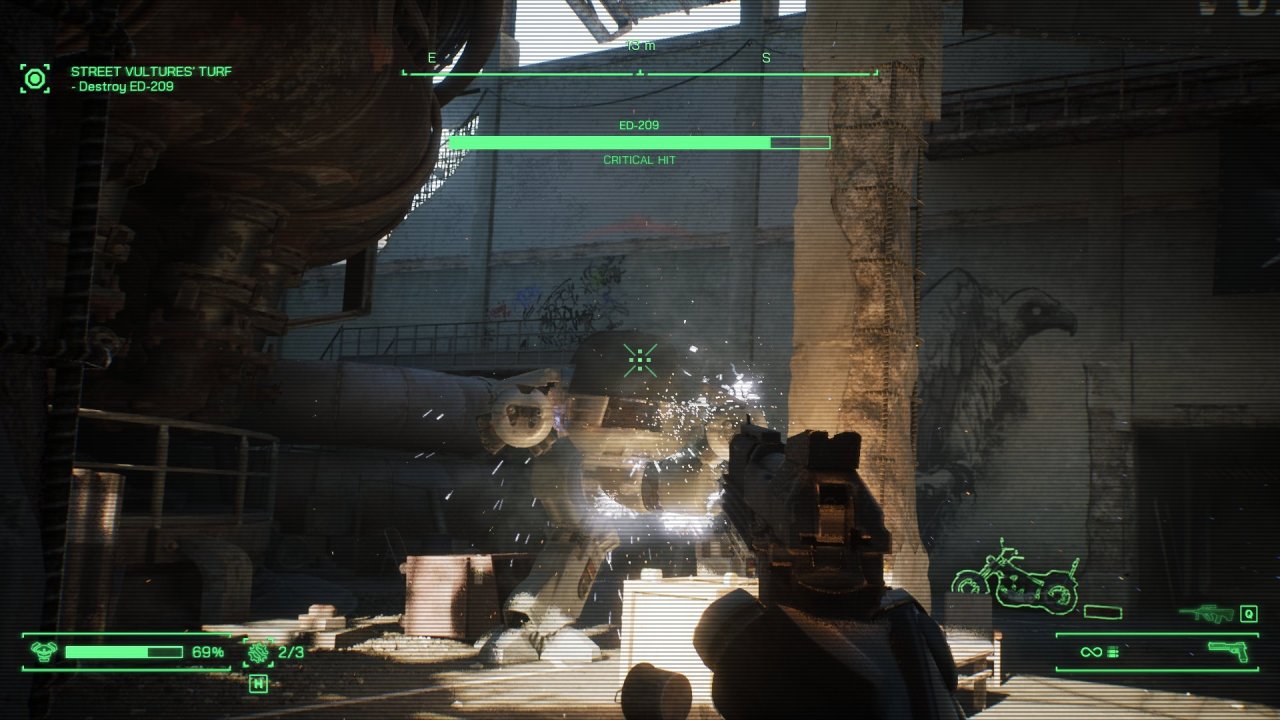
Another area of customization that is unlocked after the early stages of the game is the ability to modify Robo's legendary Auto-9 pistol. By collecting motherboards and mods in the game world, we can choose which will be our active motherboard at any given time, with each offering different possible abilities to the pistol (such as removing the need to reload, increased armor piercing damage, or, my favorite, "INCREASED GORE") and various bonuses to damage, reload speed, etc. depending on the mods we place on it. These bonuses are exclusive to the Auto-9, so if you pick up one of the many other weapons available in the world (pistols, shotguns, submachine guns, assault rifles, sniper rifles, or the powerful Cobra Assault Cannon) they won't apply.
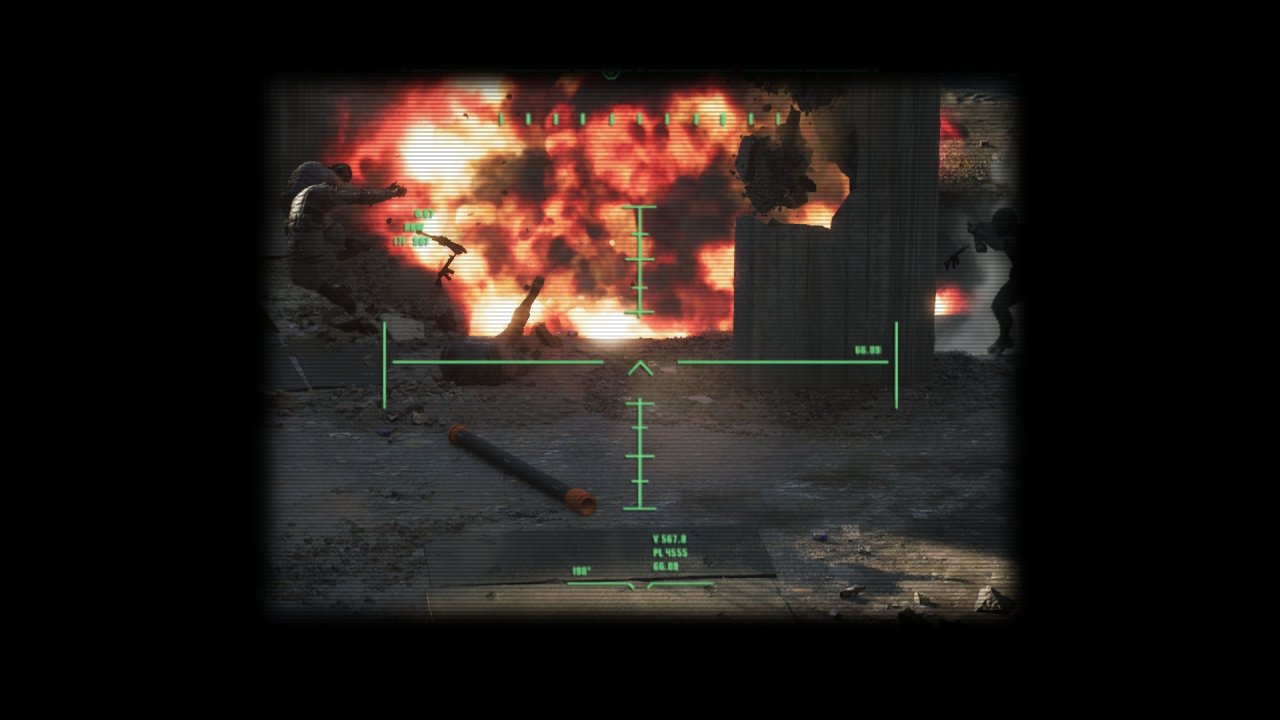
It should be noted that the atmosphere of Rogue City is 100% true to the spirit of the RoboCop movies. The first two in particular, rather than the decidedly more "kid-friendly" 3rd, so you can expect "adult" themes of drugs, prostitution, violence, bloody crimes and human-machine experimentation to pervade every aspect of the world and plot. From the perspective of a big RoboCop fan, what the Polish devs accomplish with Rogue City feels almost unreal, as it manages to take all the building blocks that form the essence of the films, and transform them into an FPS/RPG.
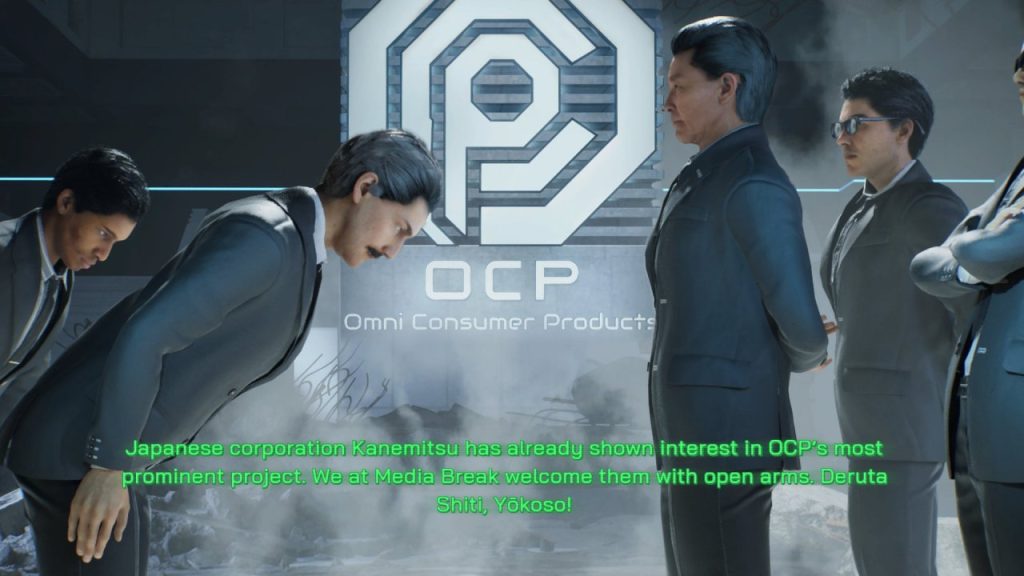
Everything is as it should be: the dark, sarcastic humor satirizing the megacorpo dystopia that is the world, Robo's dialogue and one-liners (voiced in the game by the legendary Peter Weller of the first two films), the over-the-top violence that ends up being comical, the 80s aesthetic of the world's technology, the design of buildings and locations so that their in-game appearance is 100% faithful to what we saw in the movies, the return of familiar characters, major or minor. Apart, obviously, from the endless easter eggs and callbacks to characters, events and situations from the movies. If you look past its status as a game, Rogue City literally feels like a lost RoboCop movie released after 2. And I think that's the title's greatest asset.

Of course, we shouldn't forget that this is essentially a relatively low-budget title and not an AAA super-production, so some aspects of the broader technical area are expected to be slightly janky by 2023 standards. This is especially true for character models and animation, which are reminiscent of late 2000s games (surprisingly, the environmental design and voice acting are mostly of high quality, which is the case in other Unreal Engine titles as well such as Vampire: the Masquerade - Swansong), but also for the rather simplistic combat AI implemented by the majority of enemies.
To be honest, personally these elements didn't bother me so much during my (20 hours or so, on the 2nd of the 4 available difficulty levels) engagement with the title - on the contrary, I would say the simplistic AI fits the nature of creeps in the movies, who 90% of the time were just shooting at Robo in groups and waiting patiently for their moment to take a fatal hit from his Auto-9 pistol. But buyers who approach the title expecting an over-polished AAA production and a tactical combat experience on par with several popular FPS games should probably lower their expectations.
I should also mention that the game is almost completely bug-free. Apart from various minor glitches (enemies falling into the "void" beneath levels), I encountered exactly one bug during my playthrough, which was related to the animation of an NPC (specifically, he was stuck at one point and couldn't move forward, causing the sidequest I was doing at the time to get stuck as well), but oddly this problem was resolved by restarting the sidequest.
Ultimately though, I think Rogue City is a game that is almost exclusively aimed at RoboCop fans, and those who played and loved Teyon's Terminator game, rather than the broader audience that has been consuming one AAA title after another. And, from that perspective, I think there's not a chance in a million that Rogue City won't manage to meet the expectations of those 2 buying groups. Belonging to the proud generation that saw RoboCop at a fairly tender age (and was irreparably traumatized by the violent Murphy execution scene), I think Rogue City is probably the most perfect RoboCop game we could ever receive. In a sense its situation echoes the legendary films on which it's based: it may not be particularly complex in terms of writing, it may be slightly to very unpolished in places, but no one can deny that it's full of soul. And, in this day and age, I fully prefer something like this to yet another colorless, odorless, completely generic and forgettable AAA production.


RATING - 88%
88%
Probably the best RoboCop game we could ever receive, and a proud ode to the spirit of the legendary 80s-90s action movies.




17 comments