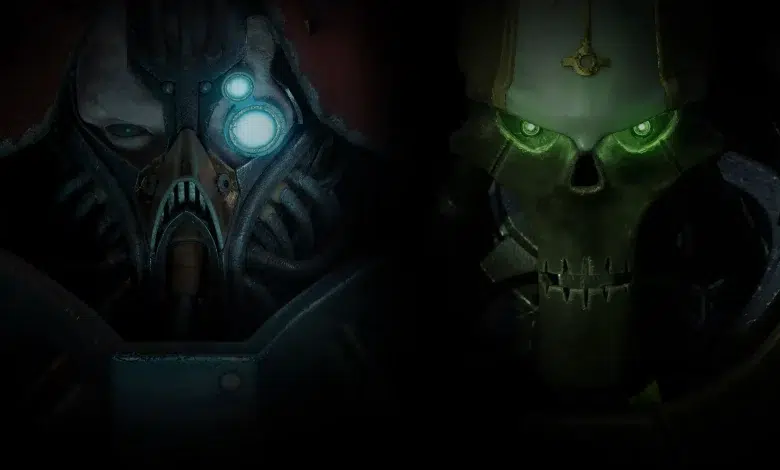

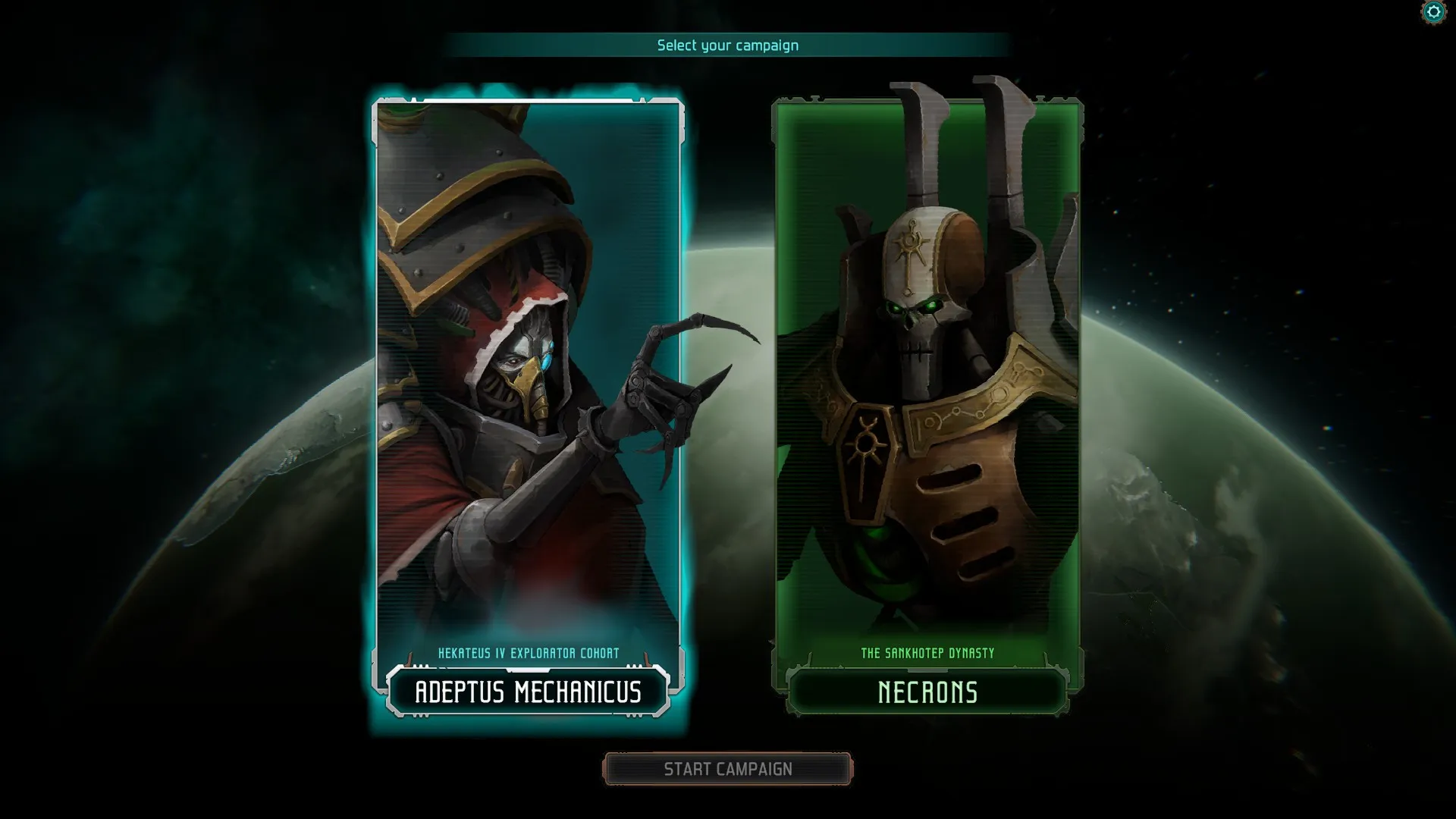
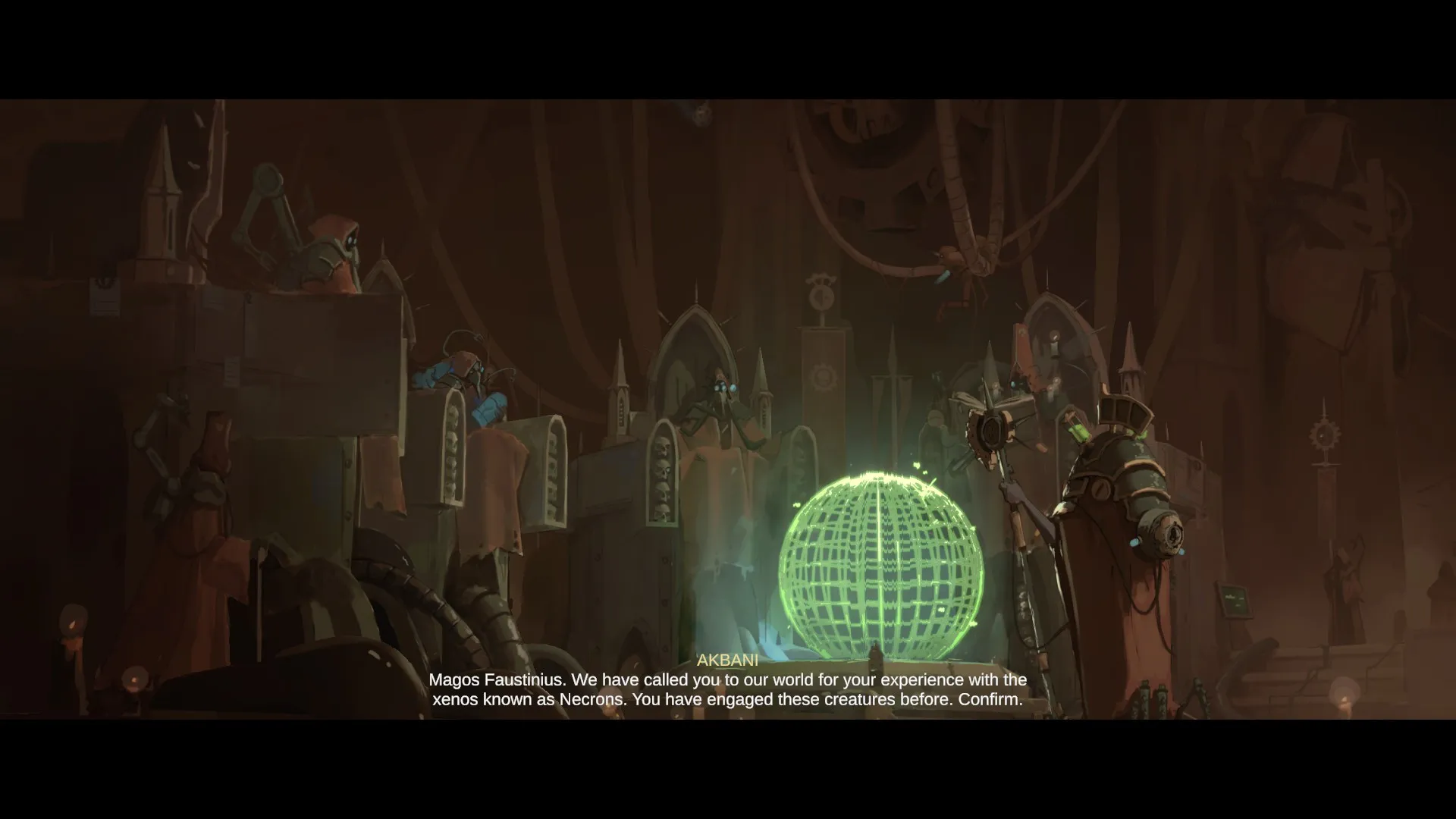
The flood of Warhammer games continues with the sequel to 2018’s Warhammer 40K: Mechanicus. The Adeptus Mechanicus establishes a new Forge World on a seemingly barren planet, but exploration of its subsurface turns everything upside down: the planet turns out to be home to Necron tombs, whose inhabitants are awakened by the activity in their resting places and react with fury to the desecration, vowing to restore the glory of their empire. Who will prevail in this relentless war? You will decide through the two campaigns the game offers, one for each faction!
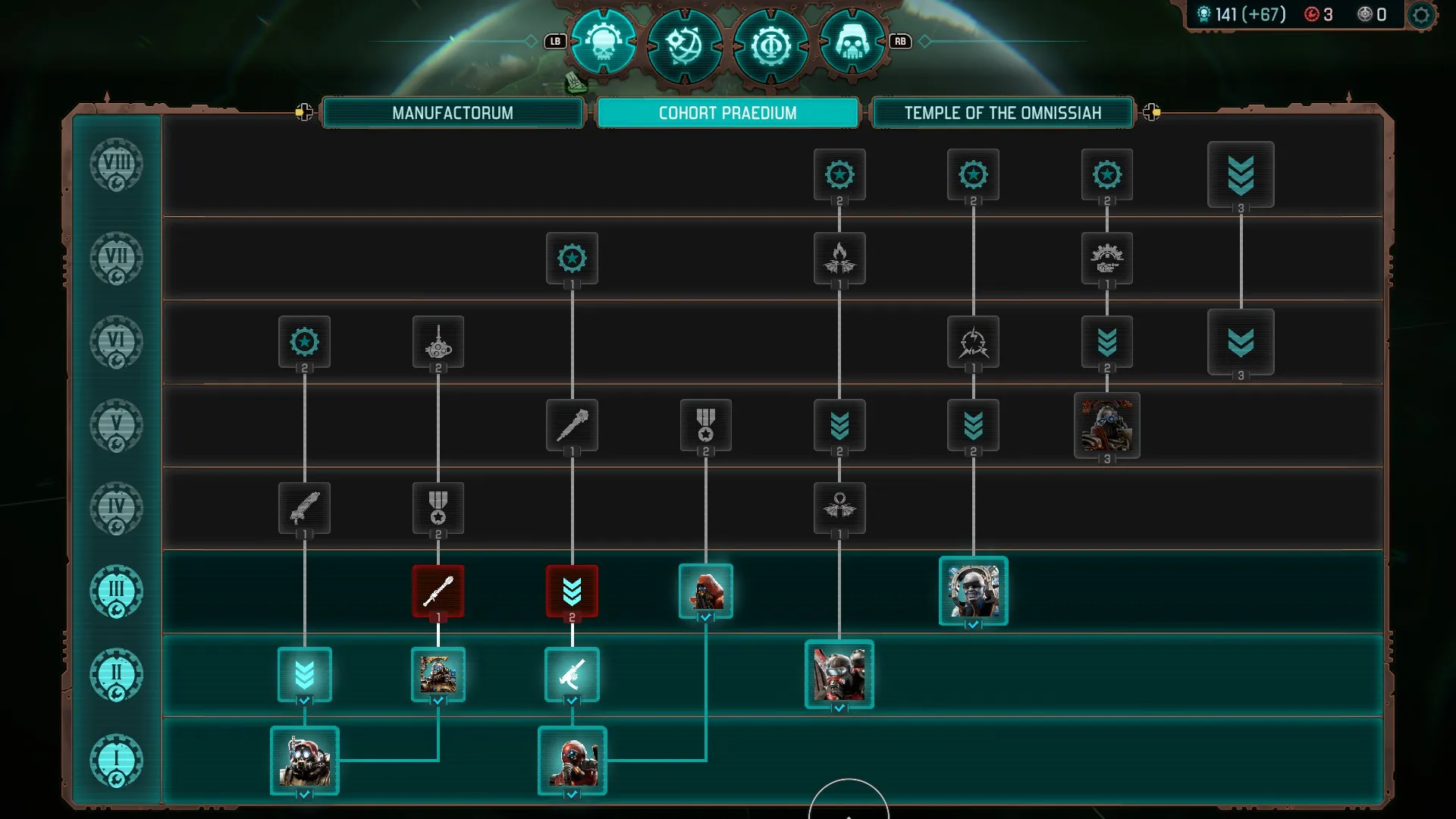
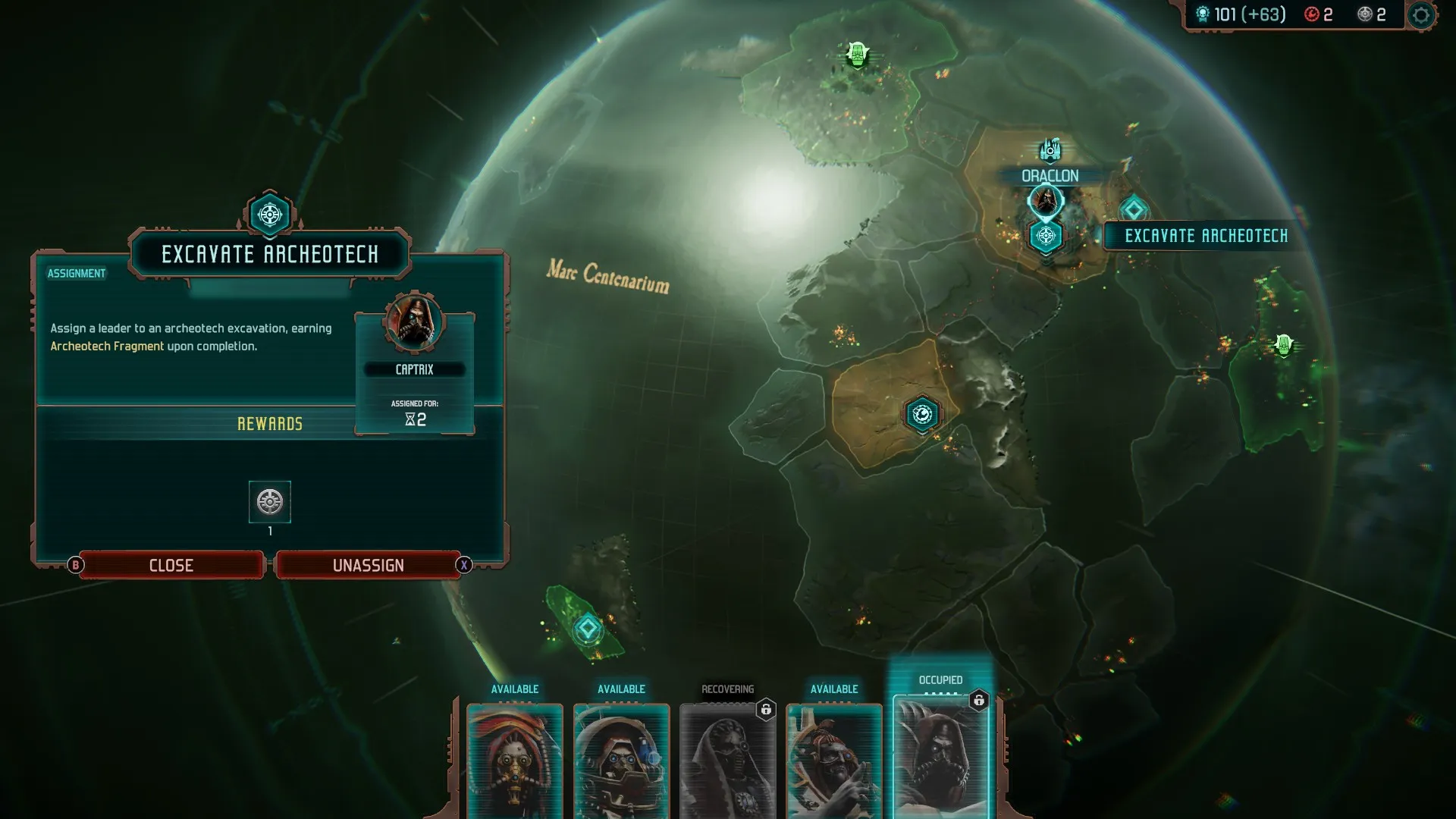
Warhammer 40K Mechanicus II follows many of the conventions of the turn-based tactics genre in its basic structure (and beyond). The gameplay is divided into two distinct phases: the strategic layer (or the Geoscape, if you prefer XCOM terminology) and, of course, the tactical layer when you start a mission and are transported to the corresponding battle map. In the strategic layer you choose your next mission from among the main and side missions, upgrade your civilization’s leaders (who function as hero units on the battlefield) and climb the tech tree to unlock new units and abilities, while in the missions (which typically consist of multiple battles and occasionally some intermediate events) you face off against enemy forces in classic turn-based combat.
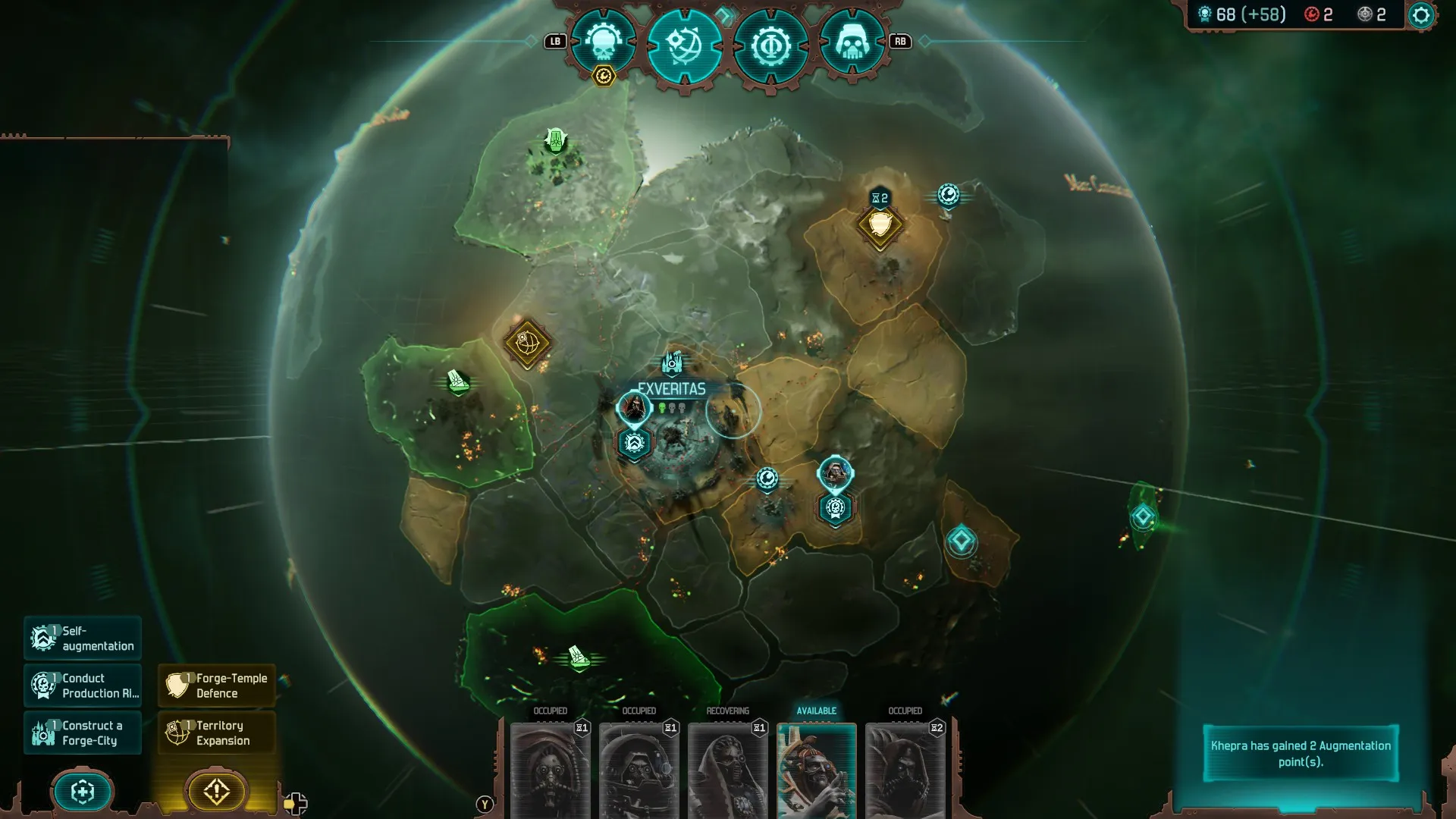
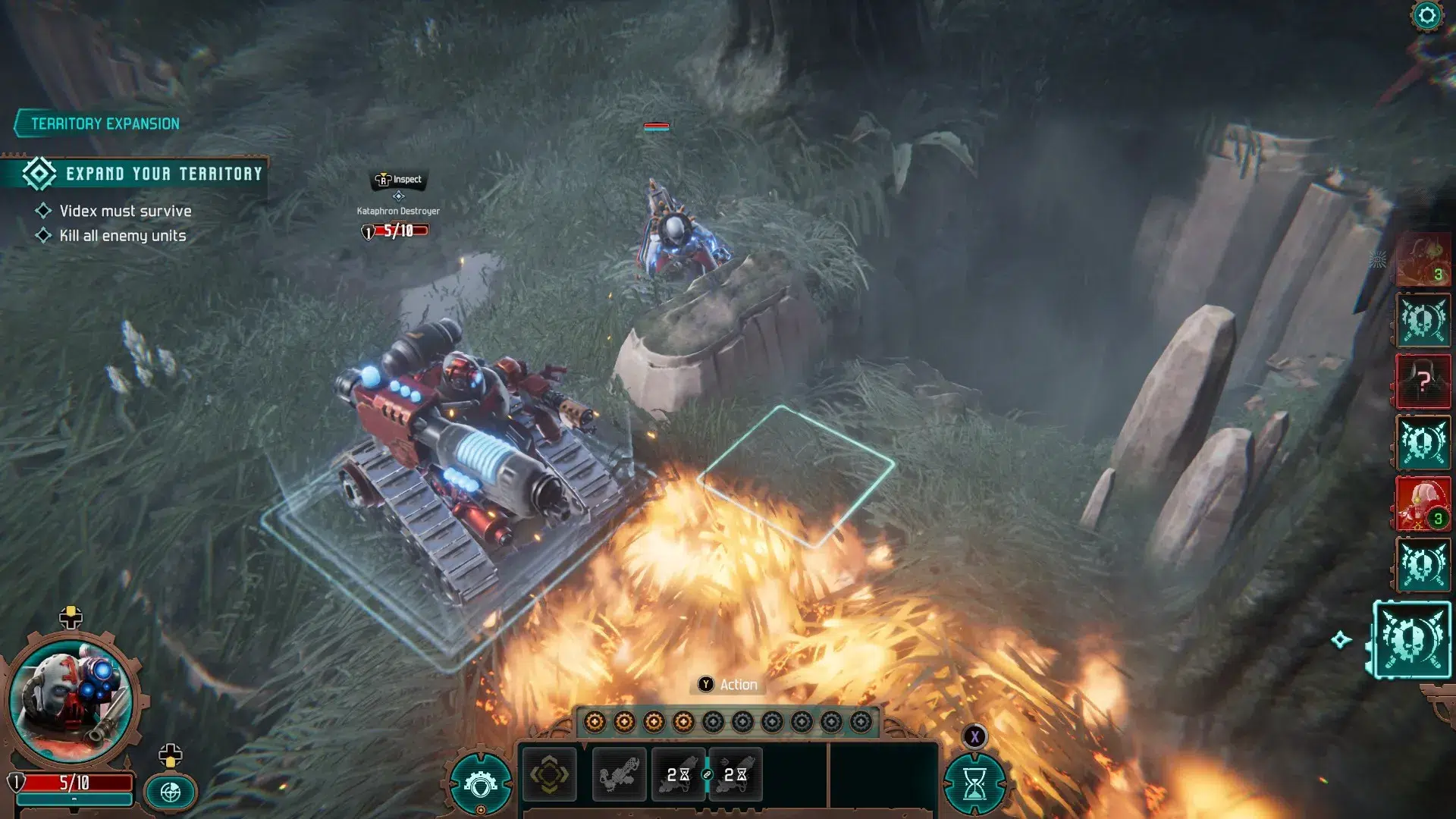
To be honest, I’d like the strategic layer to have more depth and involve more strategic decisions. Beyond choosing the next mission and accessing the leader upgrade and tech tree menus, there isn’t anything else that would spice up this phase of the game. Consequently, it’s best to think of Mechanicus II as a pure tactics game rather than the combination of strategy and tactics you might have expected from the Geoscape screenshots. I’m not saying I’d prefer it to have been replaced with a simple mission select menu; I prefer this visual representation, even if it is shallow. However, I began my experience with higher expectations that weren’t met.
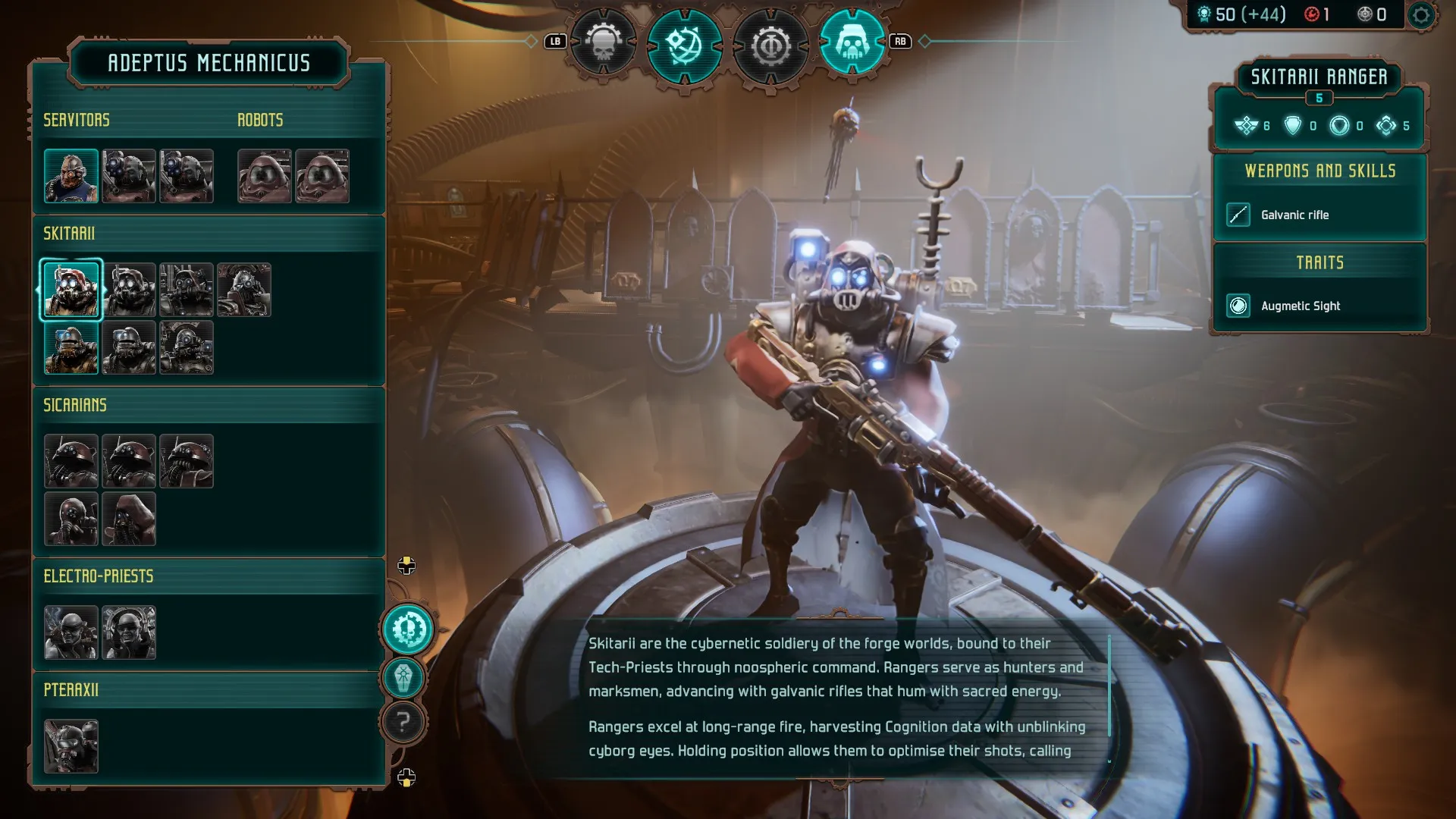
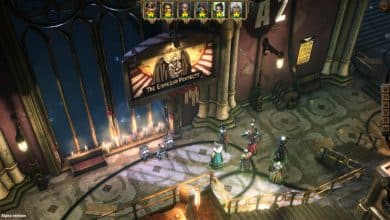
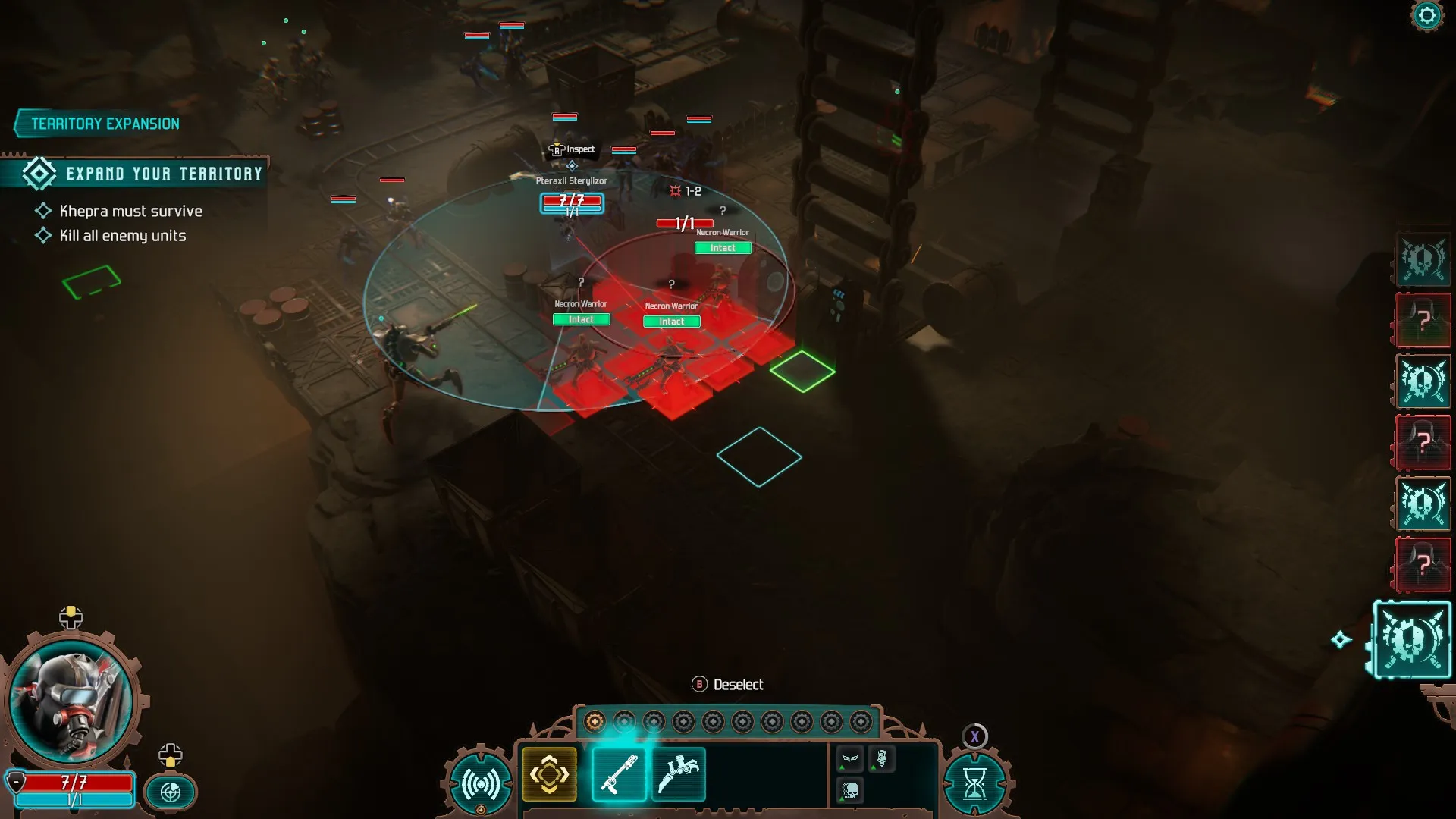
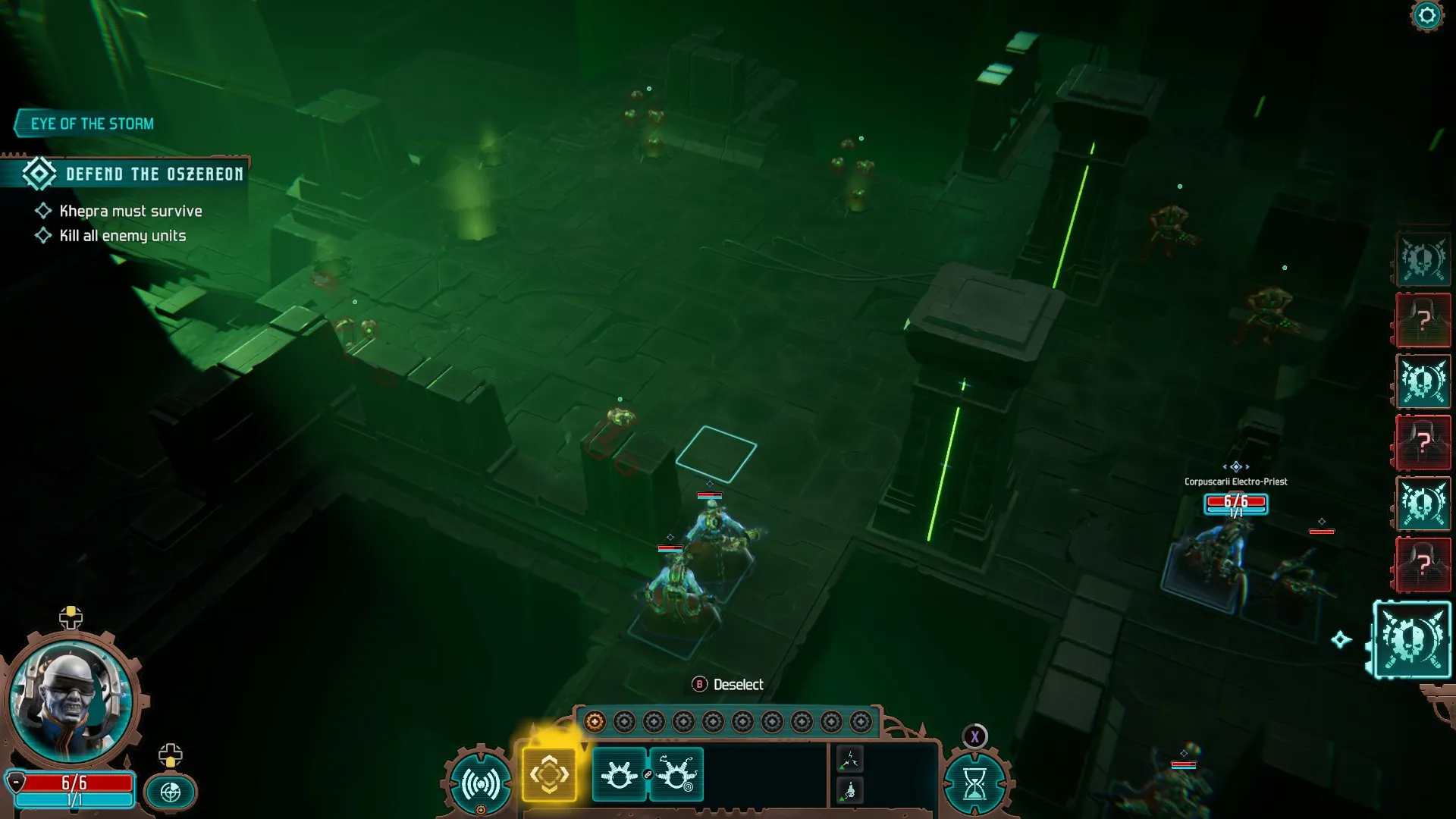
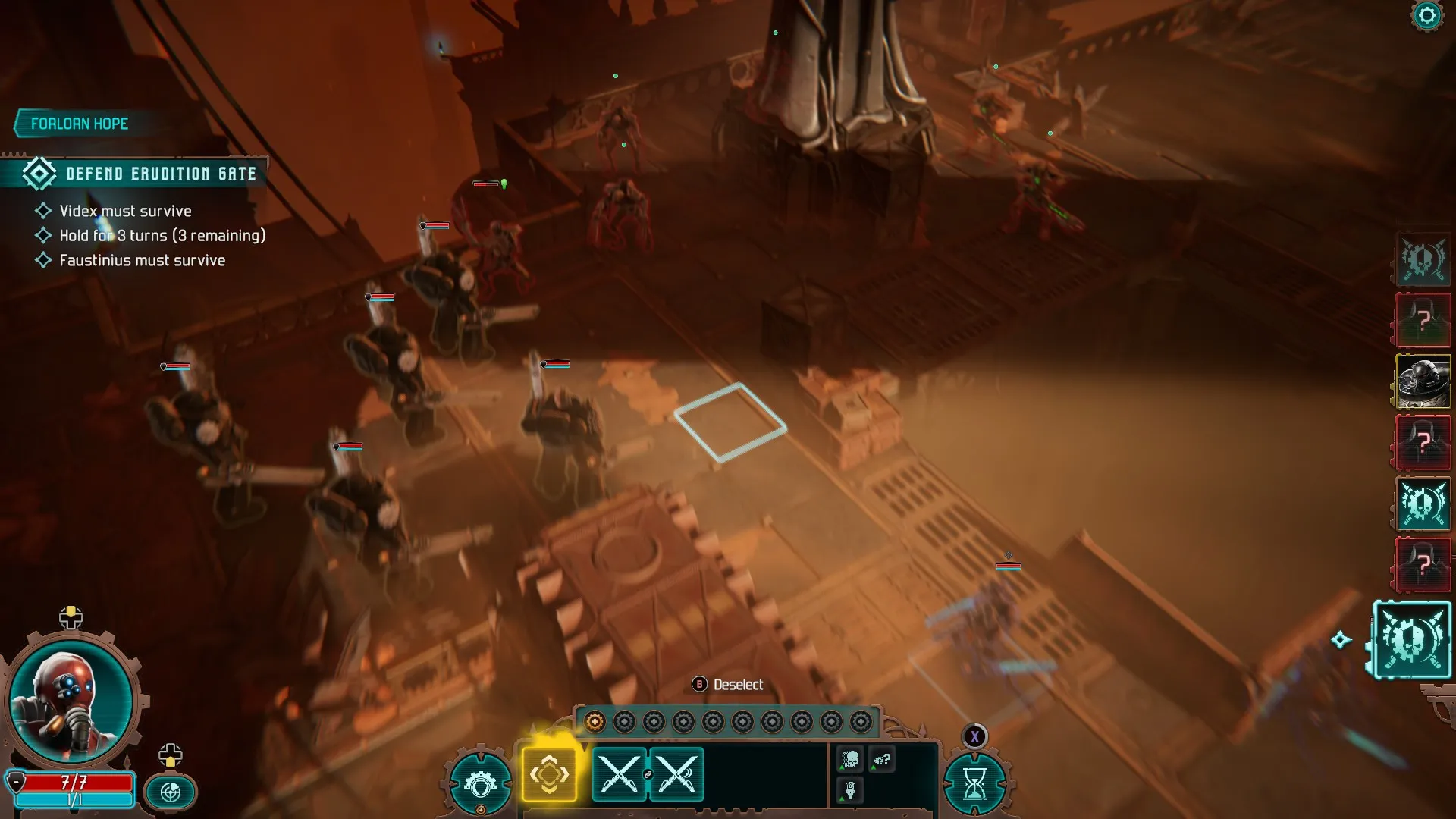
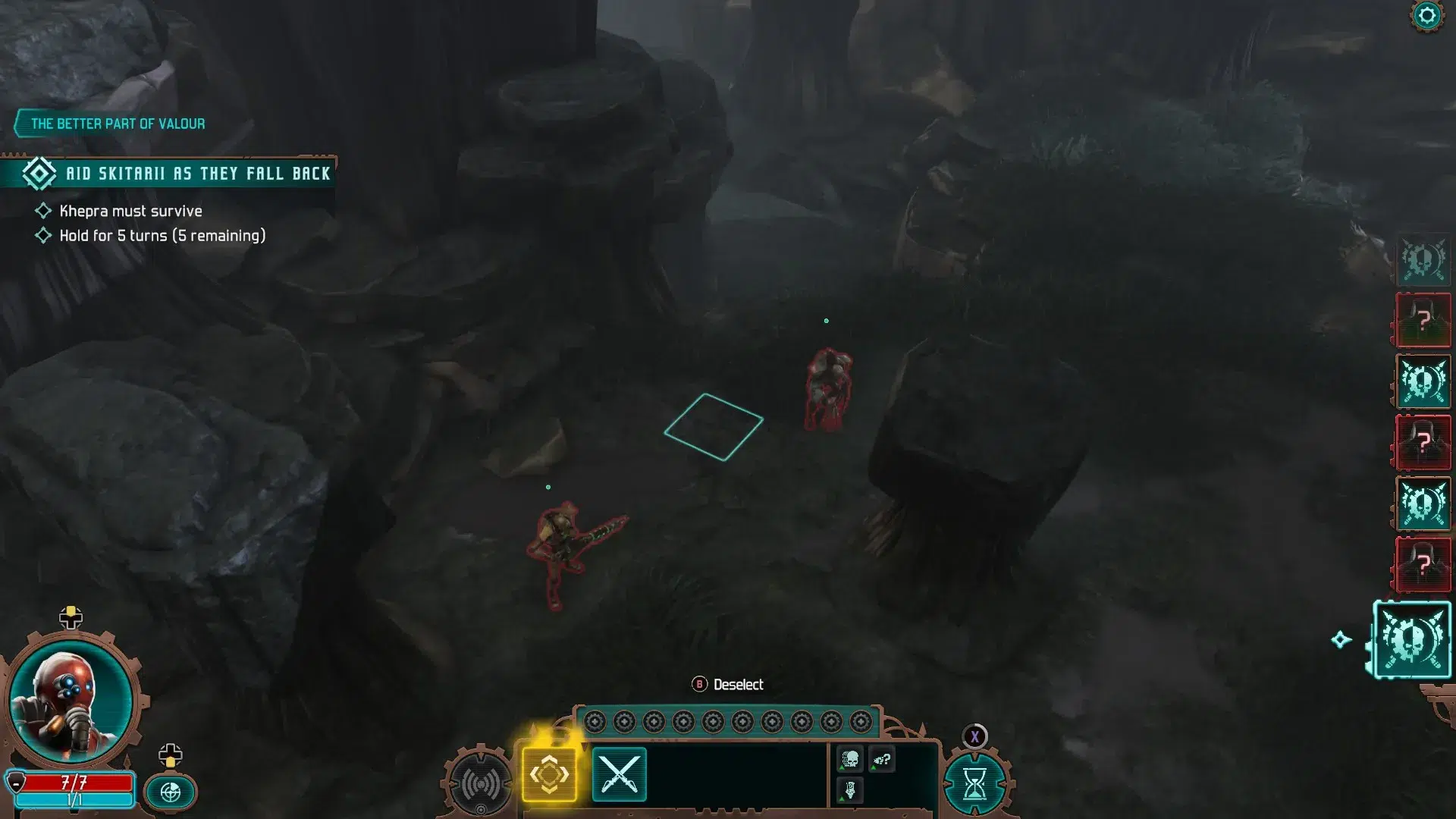
The missions, on the other hand are quite interesting and offer a satisfying challenge, especially on the higher difficulty levels, but here too I was left with a sense of unfulfilled expectations. There are plenty of units available, each with its own characteristics and special abilities that you must take into account during skirmishes; hero units have additional abilities that can change the course of a battle; however, Mechanicus II doesn’t offer anything particularly compelling here that would help it stand out. Most maps have a very basic design and flat terrain, resulting in few tactical options (e.g., choke points, ambushes, high ground, crossfire, etc.). Some attention is required during the deployment phase, both in selecting the units you’ll field and in placing them in the available deployment zones, but beyond that, the battle unfolds as you’d expect based on other similar games and your knowledge from those will apply to Mechanicus II as well.
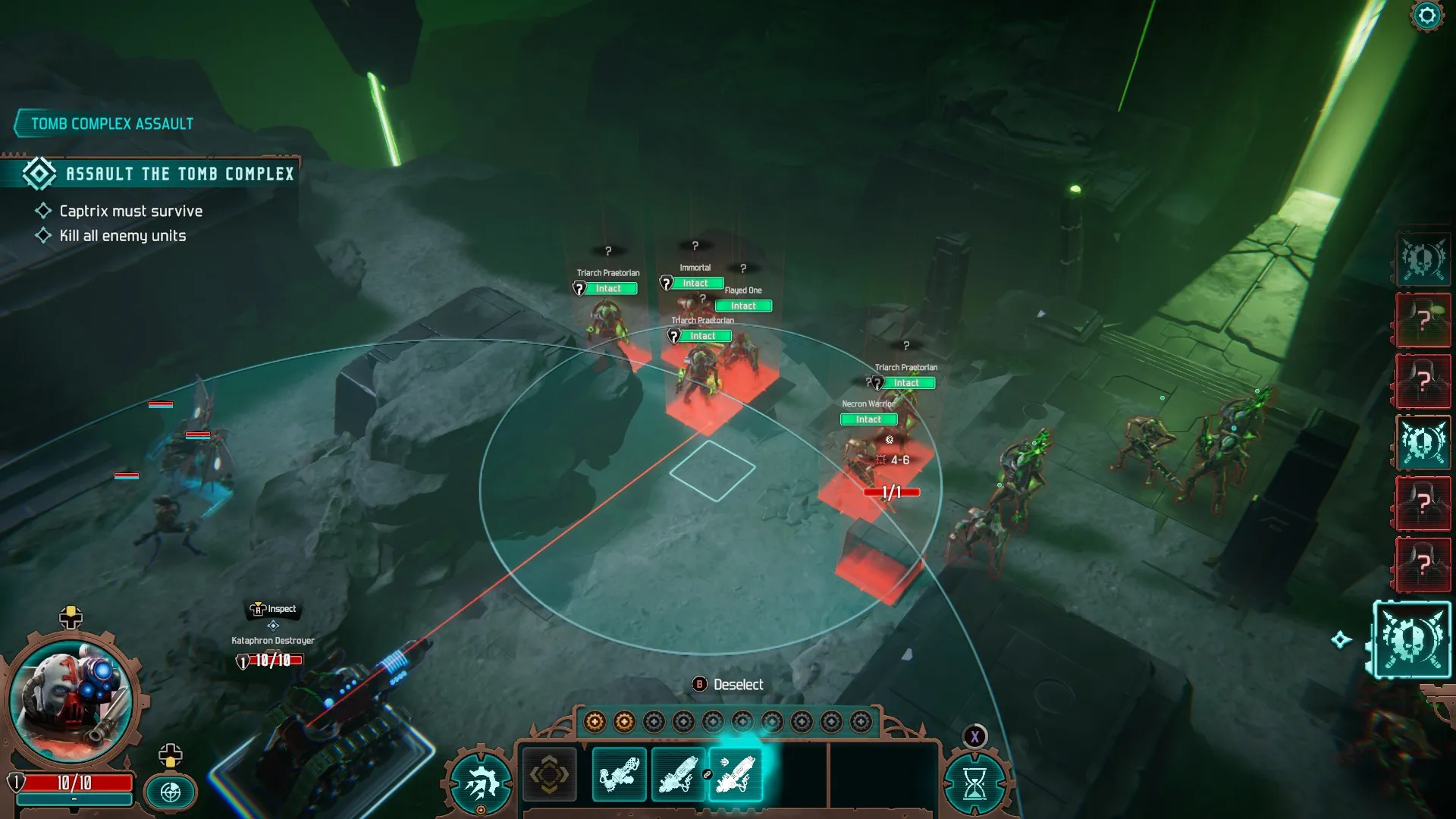
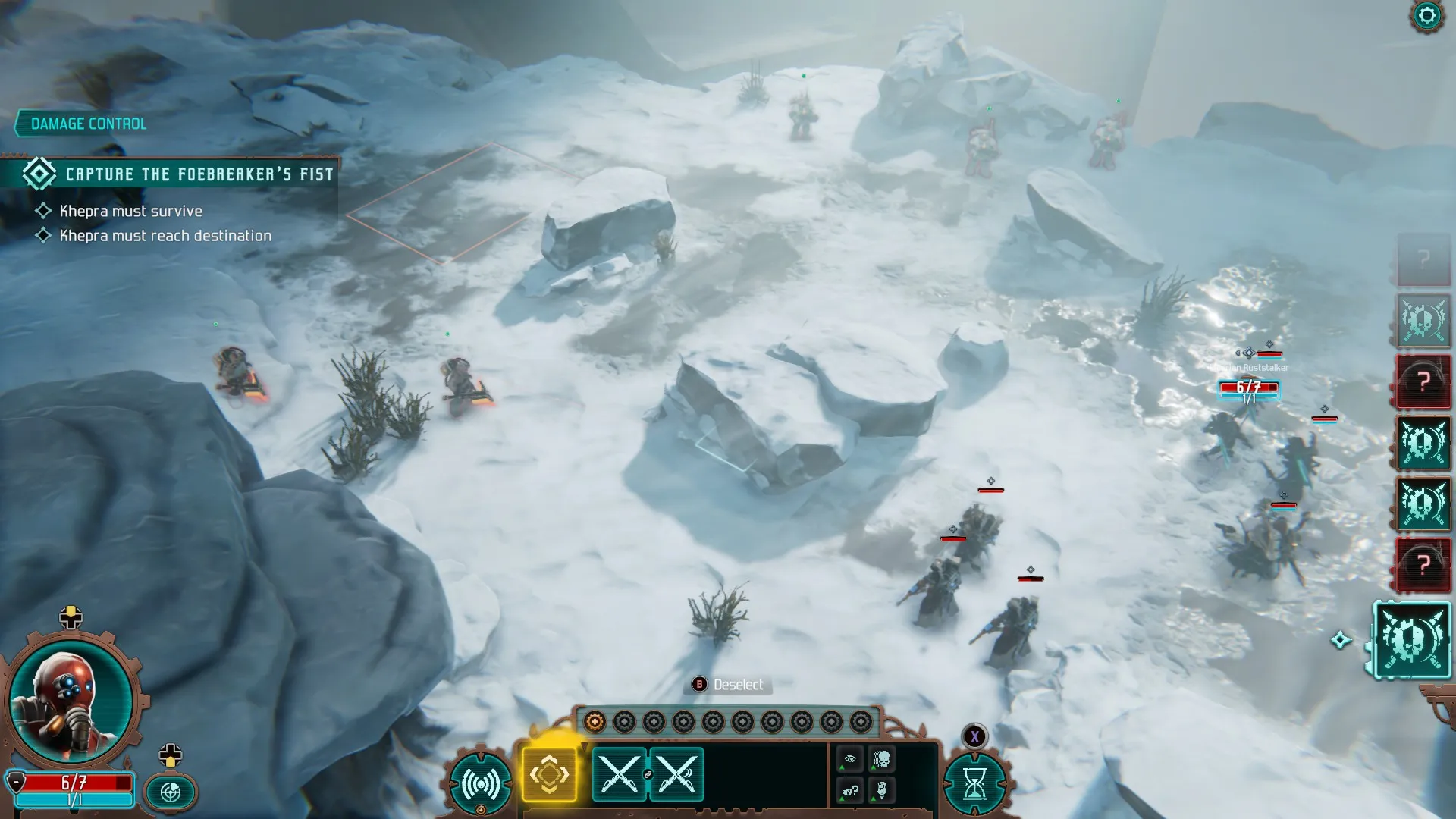
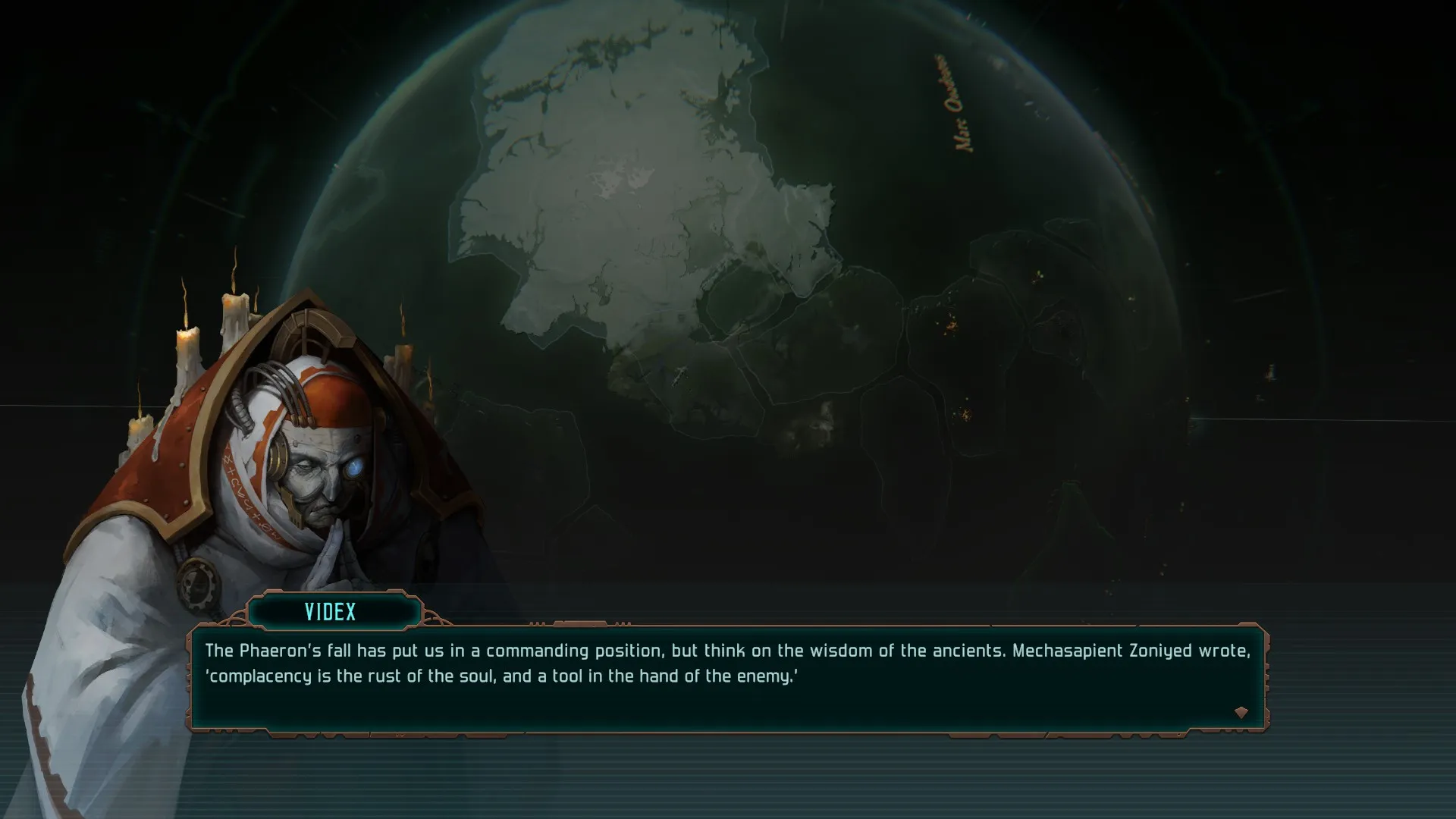
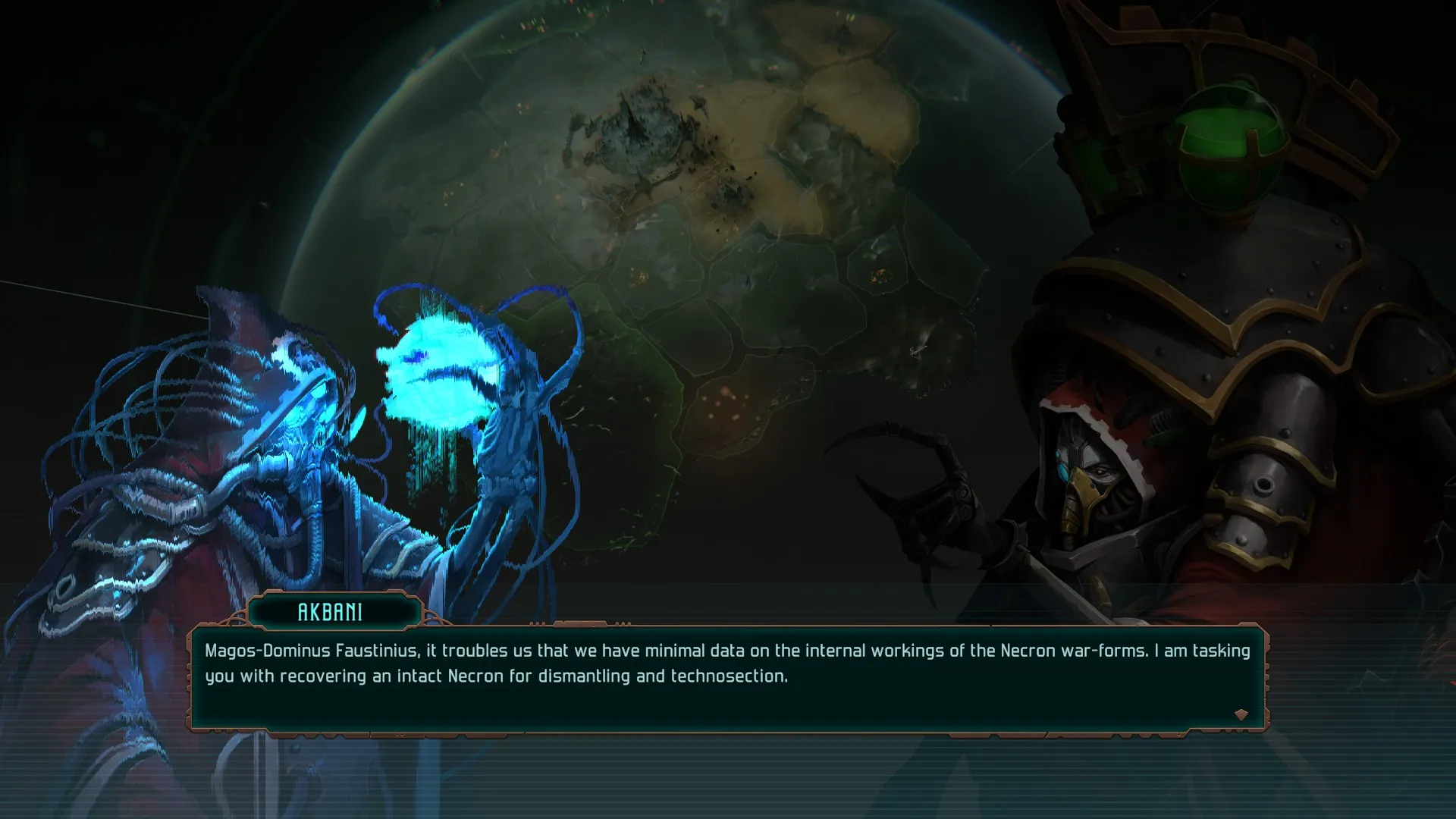
Overall, though, I have to say that even though I found the gameplay somewhat basic and not particularly original or innovative, I didn’t get bored playing it. The Warhammer 40K setting has been beautifully and faithfully realized, both visually and in terms of the narrative and dialogue. The missions are enjoyable to play and are generally short, so they don’t get tedious, while the in-game events with certain choices between skirmishes add some variety. Just as I didn’t find anything particularly special in the game, I also didn’t find any major flaws that would make the whole experience tedious. Perhaps the only minor complaints I could point out concern performance (the game is heavier than it should be, but okay, it’s turn-based so it doesn’t affect gameplay much) and the unit designs which aren’t as distinctive as I’d like, making it often difficult to tell a unit’s type at a glance.
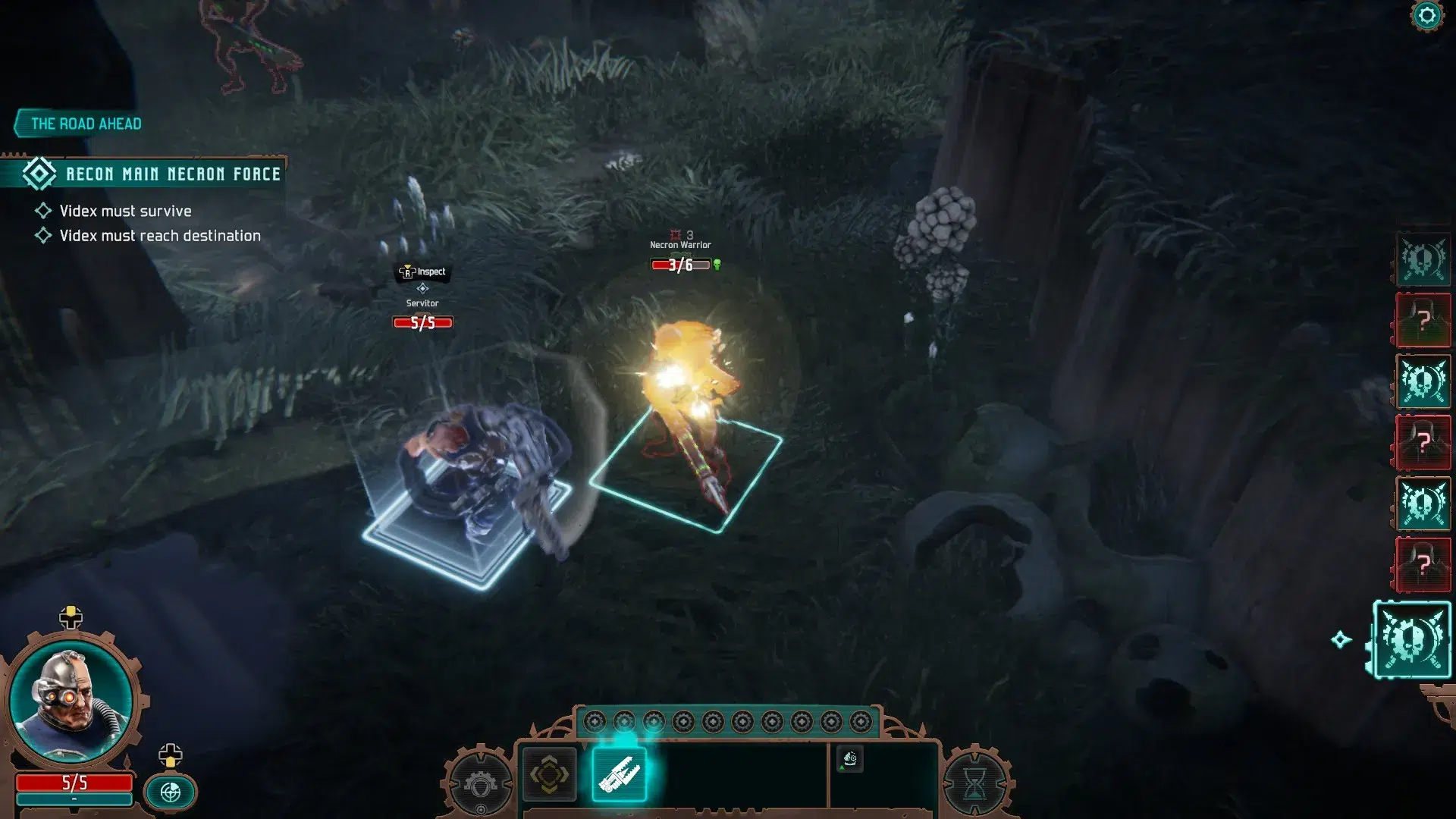
In a nutshell, this is Warhammer 40,000: Mechanicus II, an enjoyable and competent tactics game that is unlikely to disappoint fans of the genre though it won’t make it into the pantheon of the category’s top titles. It’s a solid choice for lots of hours of gameplay at a price that’s not unreasonable for what it offers, but it will certainly become much more appealing once the first discounts roll around. If you love tactics games and are hungry for even more then Mechanicus II certainly has its merits; it just lacks that certain something that would help it stand out from the crowd.
RATING - 74%
74%
A solid and engaging turn-based tactics game that doesn't have any major flaws but, at the same time, doesn't really stand out.