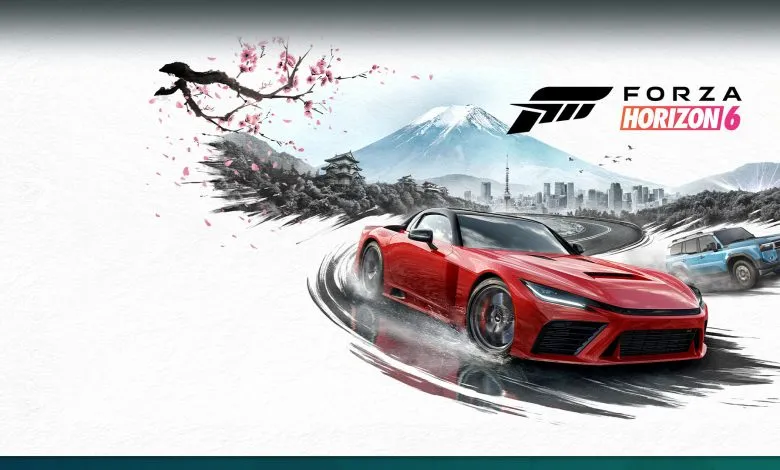

"Dear Random LLM, you're a follicly-challenged, game critic. Go back to RageQuit’s reviews of Forza Horizon 4 and Forza Horizon 5, run a side-by-side comparison with your previous articles, and focus on how beautiful the map is in the fictional Japanese landscape. The goal is to describe what Forza Horizon 6 is all about.” That’s roughly how you could put together an article in five minutes, including proofreading. The truth is that Forza Horizon 6 (FH6) is similar to Playground Games’ previous titles, and that’s not a bad thing at all. After completing 100% of the game and spending about a season and a half playing it, it’s time to share our thoughts.
Instead of a conventional presentation, I’ll focus on two conversations I had about the game with two good friends who, each for their own reasons, don’t understand my enthusiasm for the series. The first, a traditional RPG fan, believes the theme is uninteresting to his tastes. Indeed, for that audience, FH6 won’t offer much beyond demonstrating what good open-world games can be like. The truth is that beyond being a massive playground centered around cars, the Forza Horizon games offer the ultimate customizable, wholesome experience one can have—provided, of course, that you have even the slightest interest in motorsports.
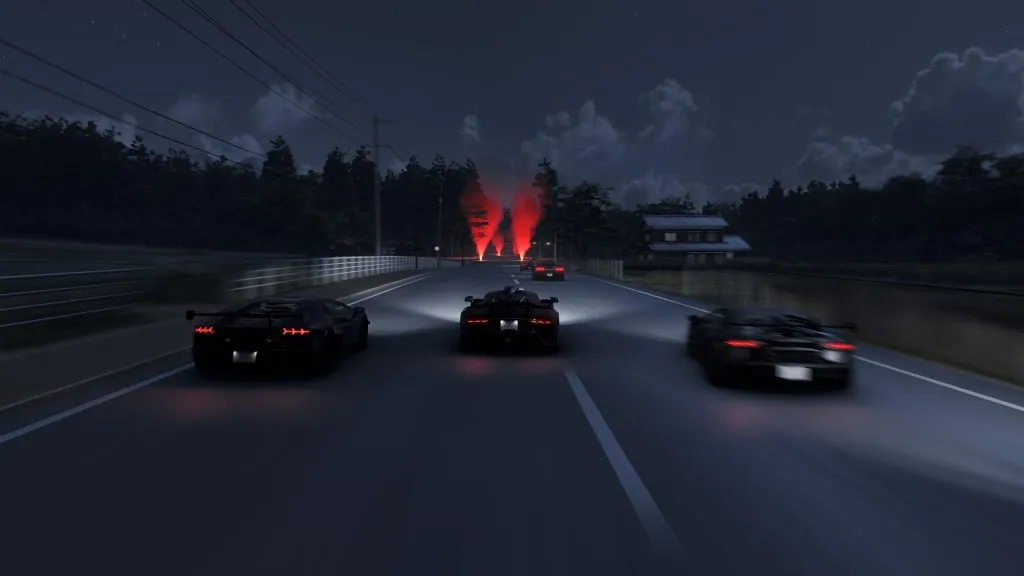
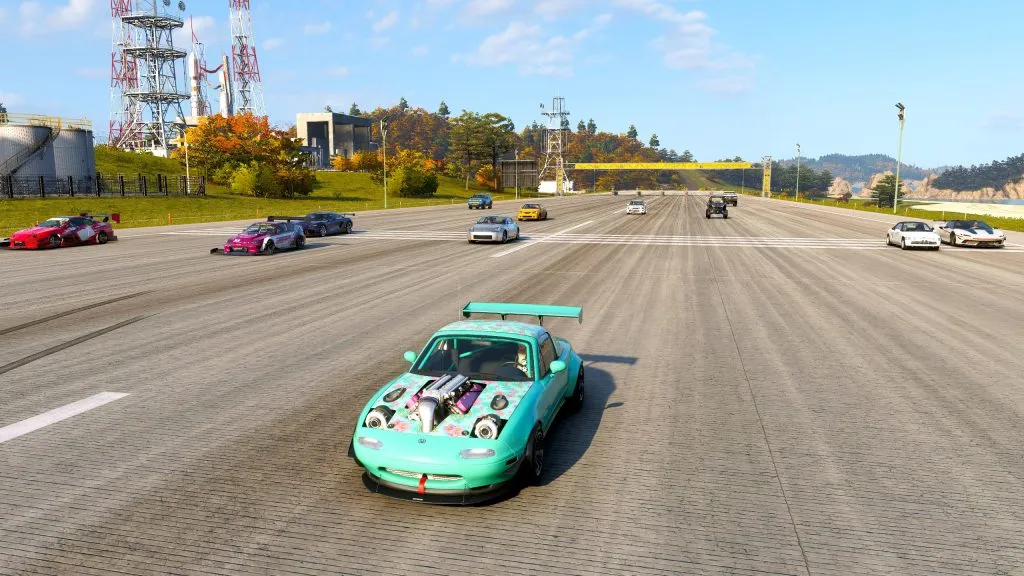
From the very first time I played the series—with the Hot Wheels DLC for FH5—I couldn’t help but smile at the mindless fun it offers. From supercharged cars to automotive icons (like the Shelby Cobra), Forza Horizon puts us behind the wheel and fulfills every driving fantasy. And here comes the conversation I had with my friend and RQ co-editor Admiral, who emphasised during our chat that he prefers a linear progression—starting with simple cars at the beginning and working up to the best possible ones toward the end of the game— a progression model that worked flawlessly in Need for Speed (especially after the arrival of the—now retro—Underground games). However, the Forza Horizon series takes a different approach, as it features five different race types: road, off-road, dirt (ideal for rally), street (races held at night with passing traffic), and in FH6, touge, in addition to the outlandish showcase races.
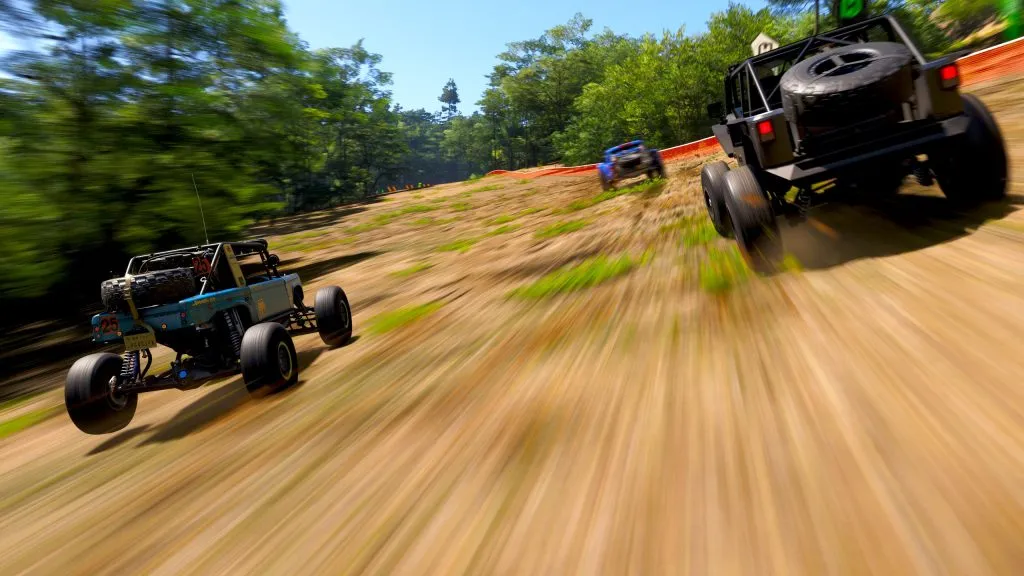
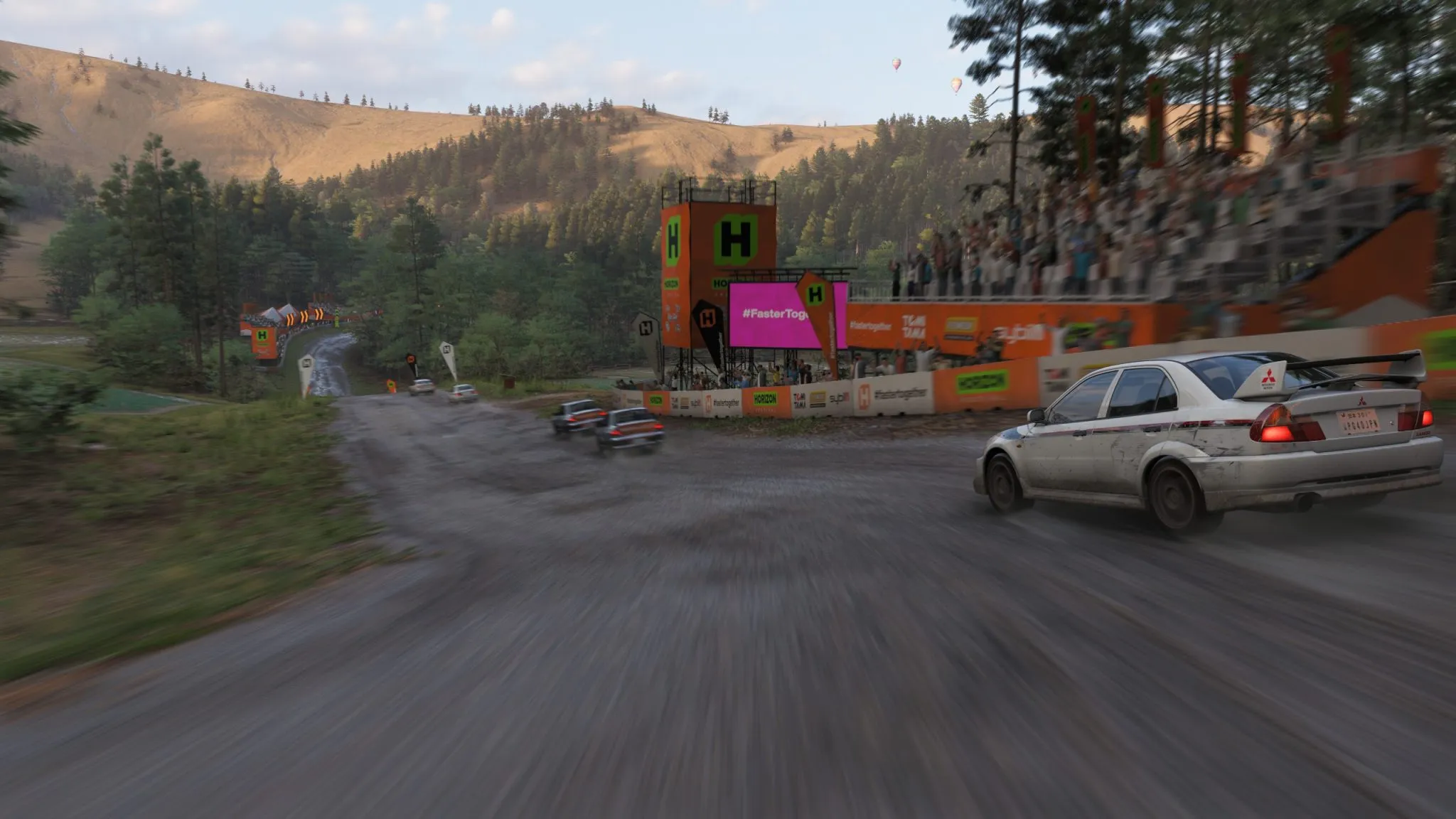
Coming from the "Need for Speed" series myself, I was used to the same linear progression in gameplay, with perhaps the sole exception of "Test Drive Unlimited", whose DNA is present throughout the FH series. So, in FH5, I, too, had initially been on a frenzy to finish all the road races, until I discovered the joy of rally racing and the beast known as the Ford RS200 Hoonigan. There’s nothing more exhilarating than entering a turn, skidding sideways on wet dirt at 250 km/h after applying the handbrake, with the engine roaring to provide the necessary boost to send the car hurtling out of the turn like a beast at another 50 km/h. And all this while you’ve just overtaken three other cars following the racing line. The same applies in Forza Horizon 6, which caters for all tastes.
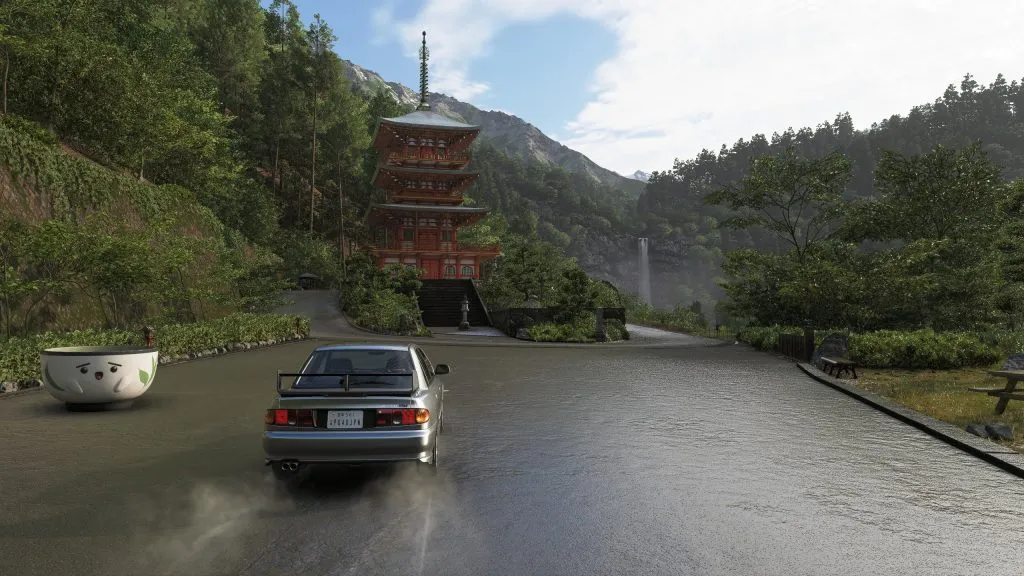
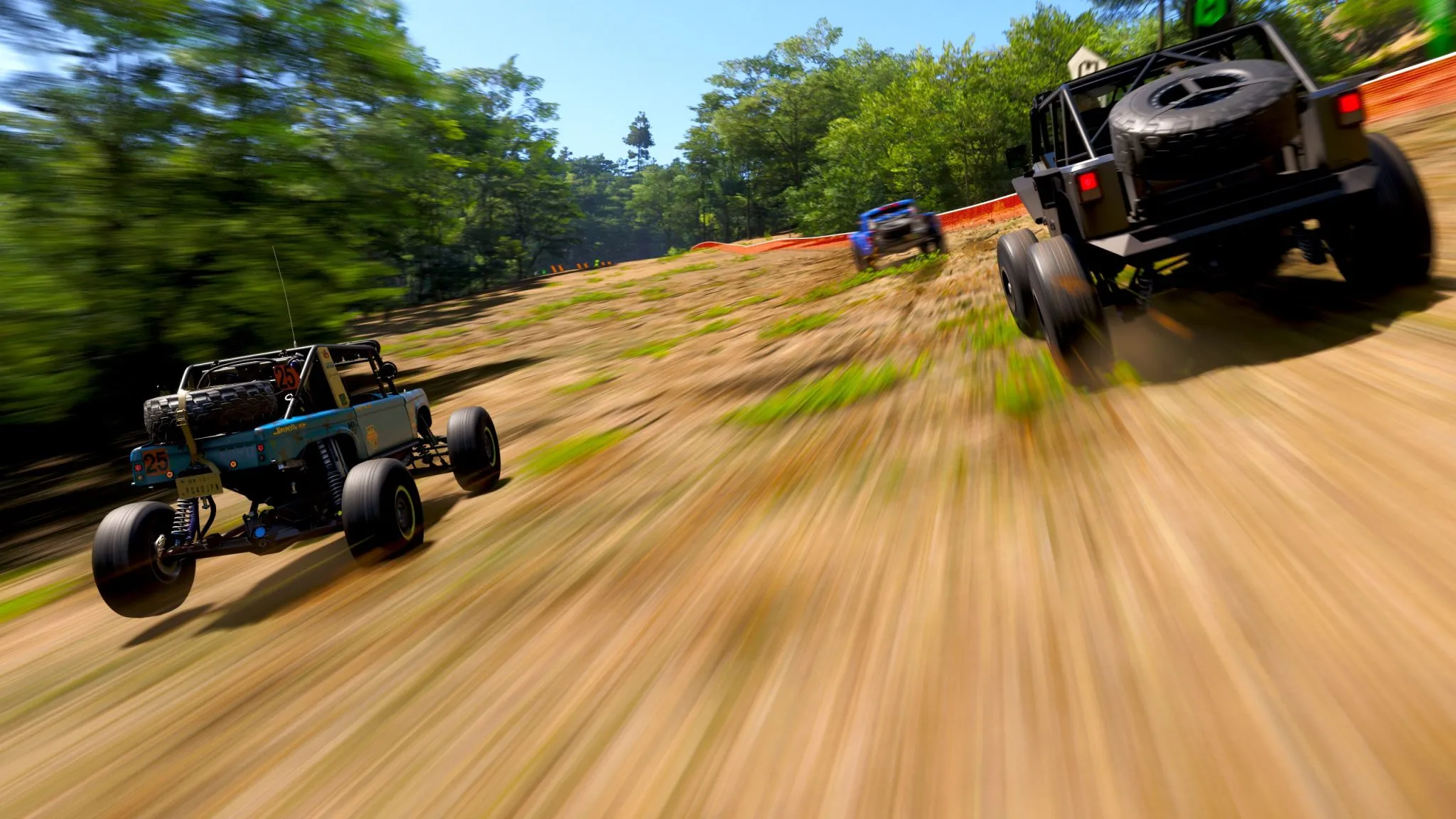
That’s what makes FH6 so successful—it hooks you with whatever you like and naturally “pushes” you toward all the other modes. Unlike FH5, where you have to complete specific showcases to unlock each race type, FH6 takes a better approach, unlocking car classes after the showcases in combination with a mix of races from the aforementioned types (road, off-road, etc.). All of this seems boring, especially when you consider the lack of a single-player storyline, aside from a few basic missions and the core concept of “we’re holding a festival in Japan, we’ve brought in drivers to raise money through racing so we can support the festival.” However, the gameplay is highly addictive; the game showers players with rewards, cars, credits, and all sorts of little collectibles.
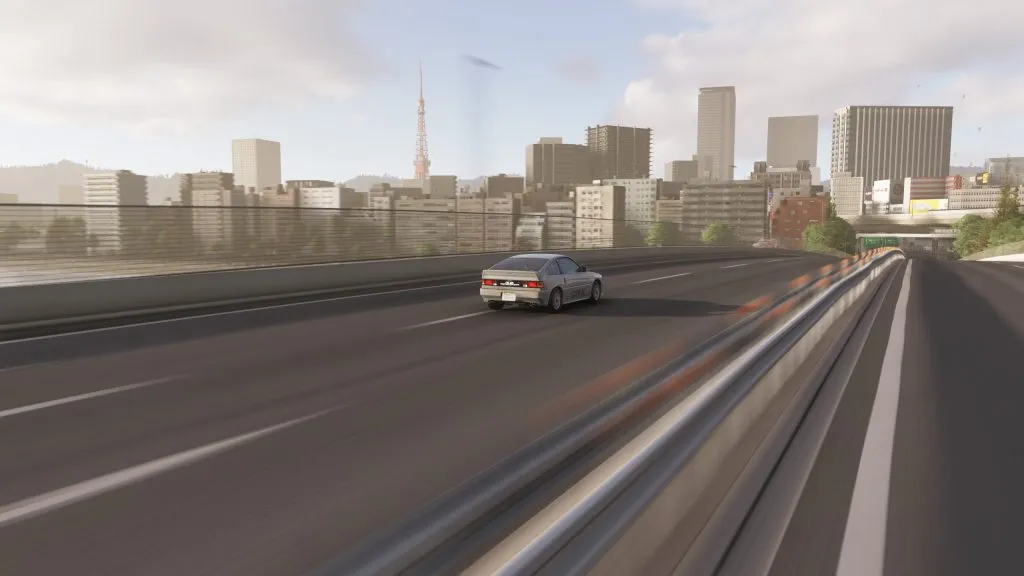
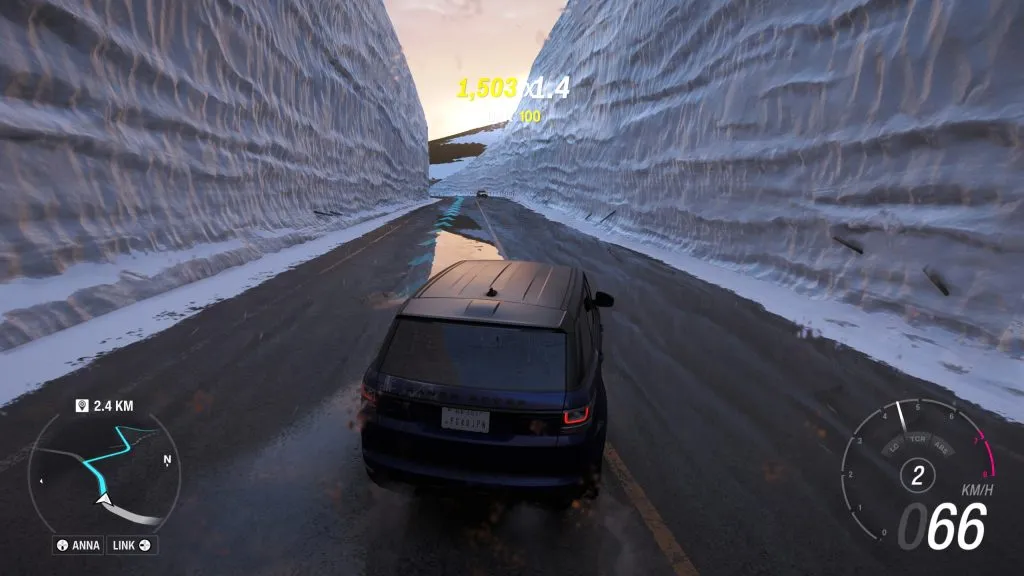
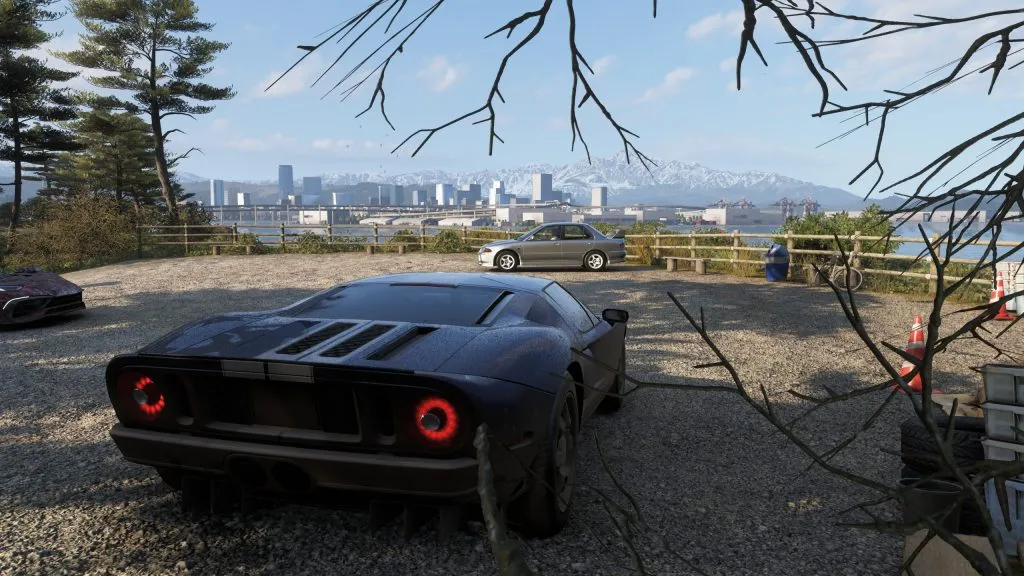
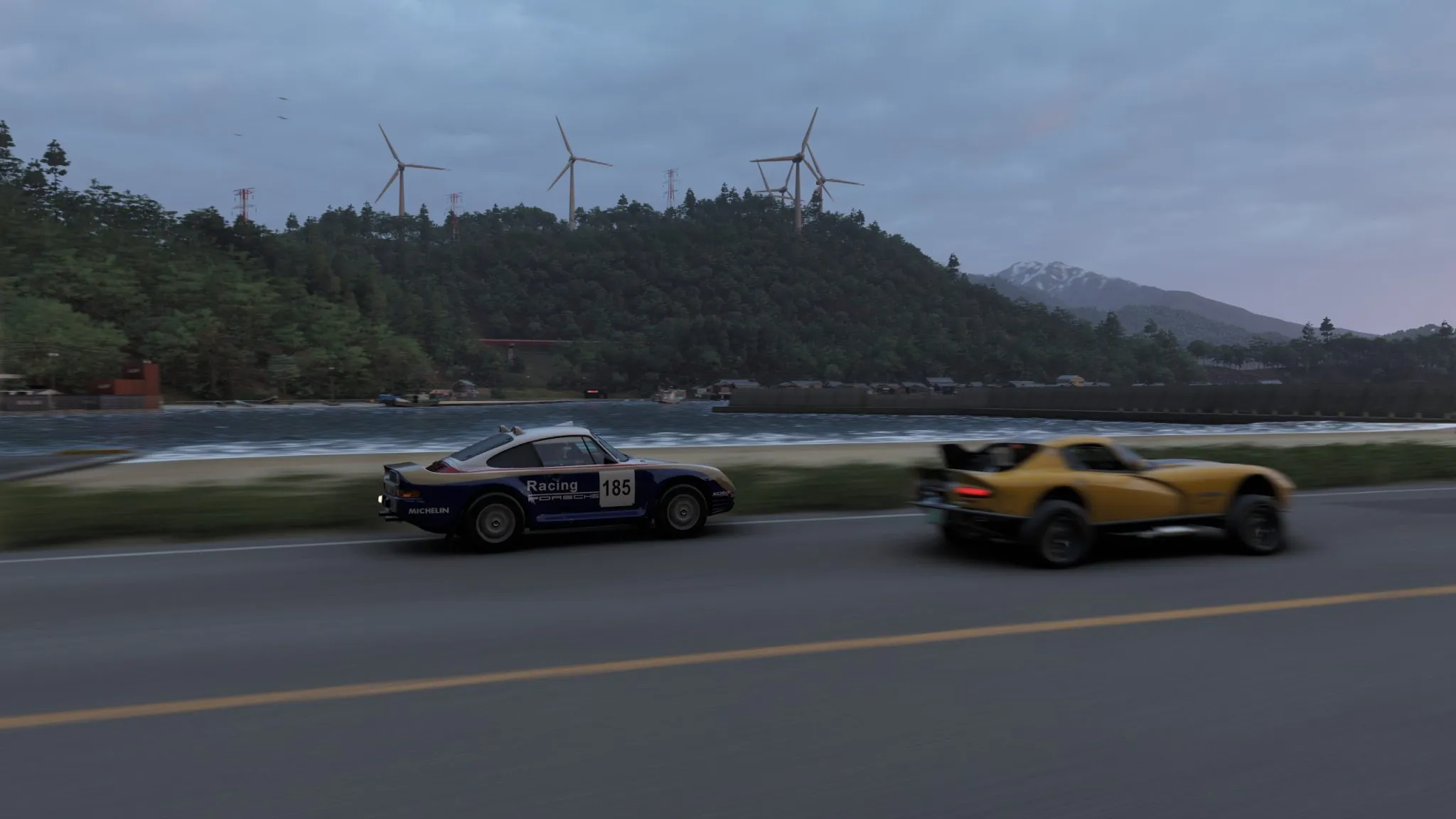
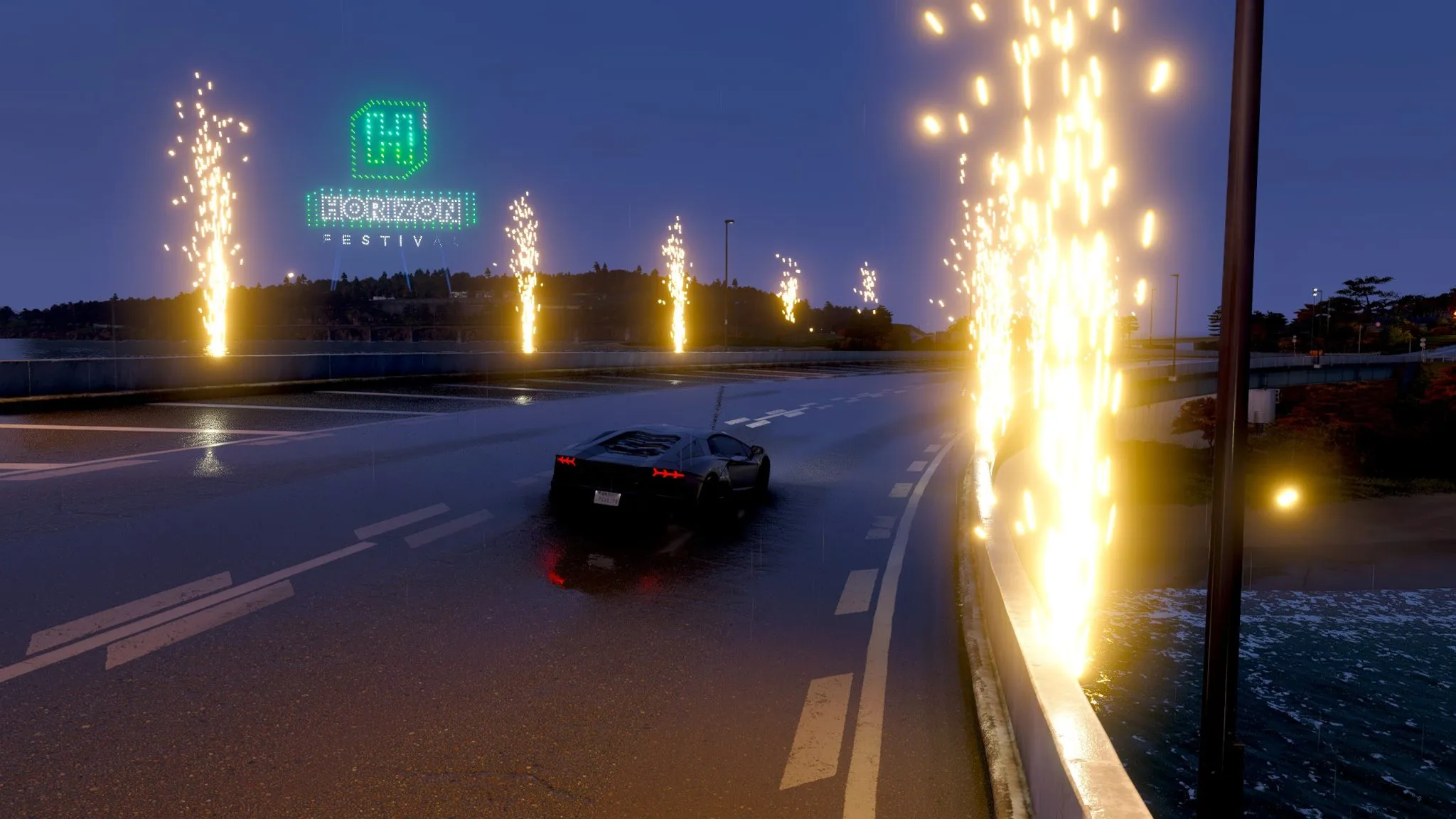
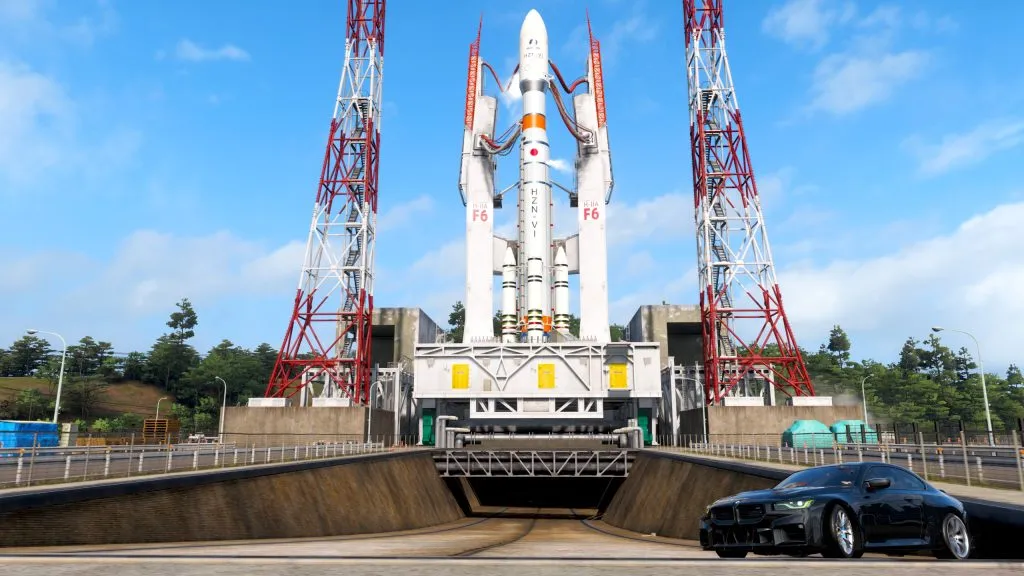
If nothing else, the central protagonist is the FH6’s world map itself, which strives to incorporate all of Japan’s major attractions and landmarks. The FH6 features noticeably more variety and transitions in its world’s environments (from permanently snow-covered regions to rice paddies) compared to the fairly uniform Mexico of FH5. I was impressed that there are very few spots with destructive collision effects, unlike in Mexico, where if you’re driving through a desolate landscape, you might suddenly crash into a small, stationary rock (something that had caused me quite some grief in multiple occasions during Eliminator). The changing seasons also bring dramatic shifts, with winter blanketing the entire map in a white carpet and summer (tsuyu) nearly flooding every area. In any case, listening to Lazerhawk’s synthwave while strolling through the nighttime streets of Tokyo is one of the most beautiful escapist experiences one can have right now.
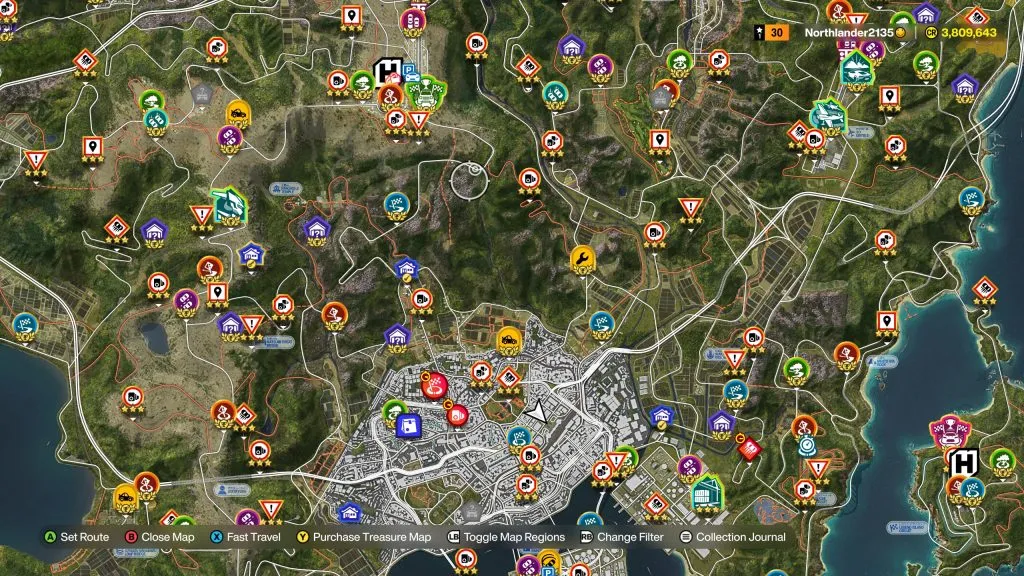
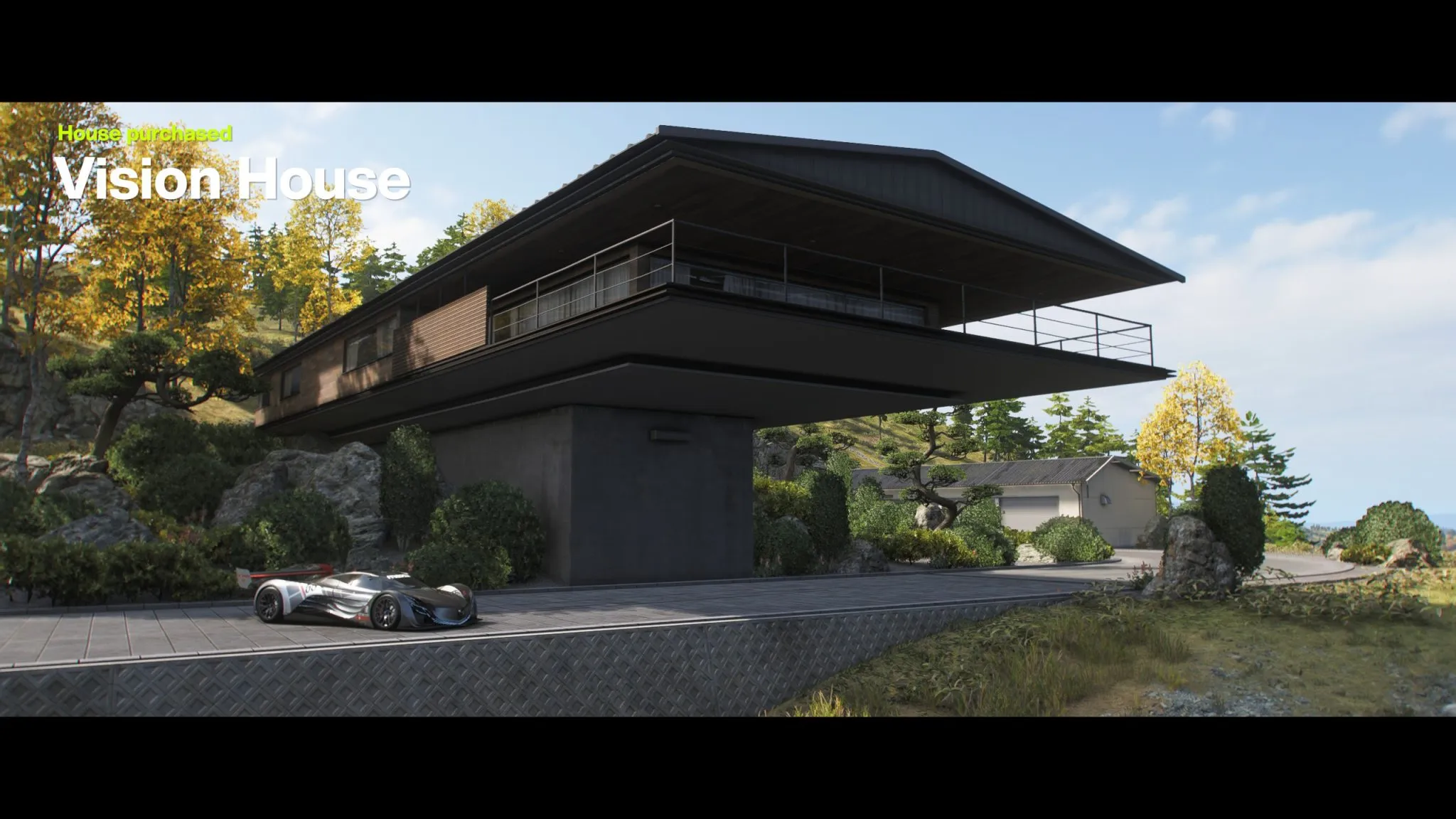
I believe that the series’ greatest strength and success lies in the community, which has become an integral part of the game. Even without necessarily playing online (out of the ~80 hours I’ve spent playing, maybe 3 were online), the community interacts in various ways—such as through car tunings that end up crushing the competition, garage layouts, and, of course, online races. This balanced approach has been facilitated by what is perhaps the healthiest implementation of the GaaS model in the current market that I can think of. Without being intrusive or a prerequisite for progression, FH tests ideas through monthly Festival Events that focus on different aspects of automotive history. At the same time, ideas are tested and incorporated as core features, such as the battle royale mode “Eliminator” (which was introduced toward the end of FH4 and carried over to FH5, and similarly, “Hide’n’Seek” from FH5 to FH6). One exception is the VIP DLC, which offers double credits for every race you complete, along with the game’s most expensive house and a few other bonuses.
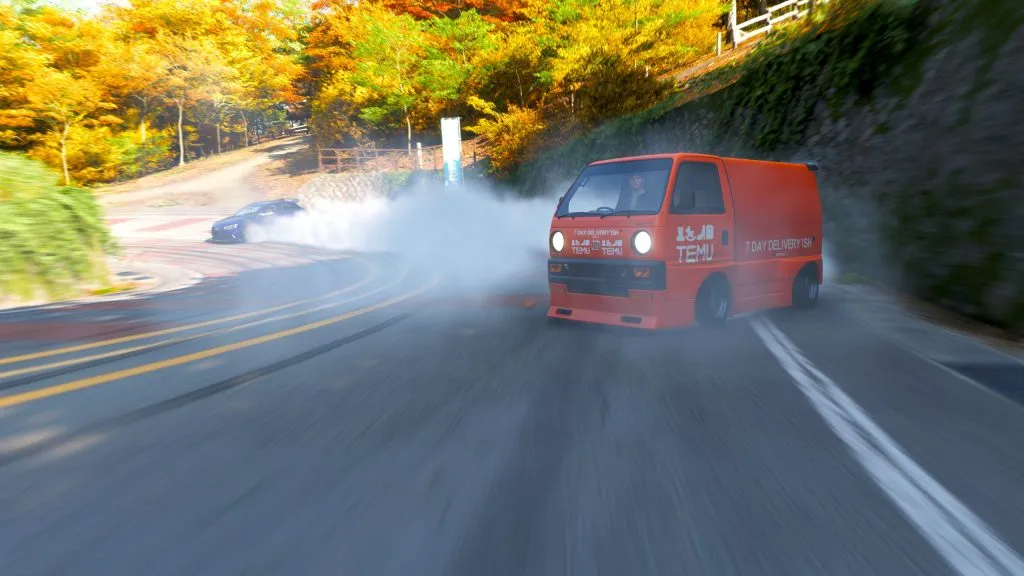
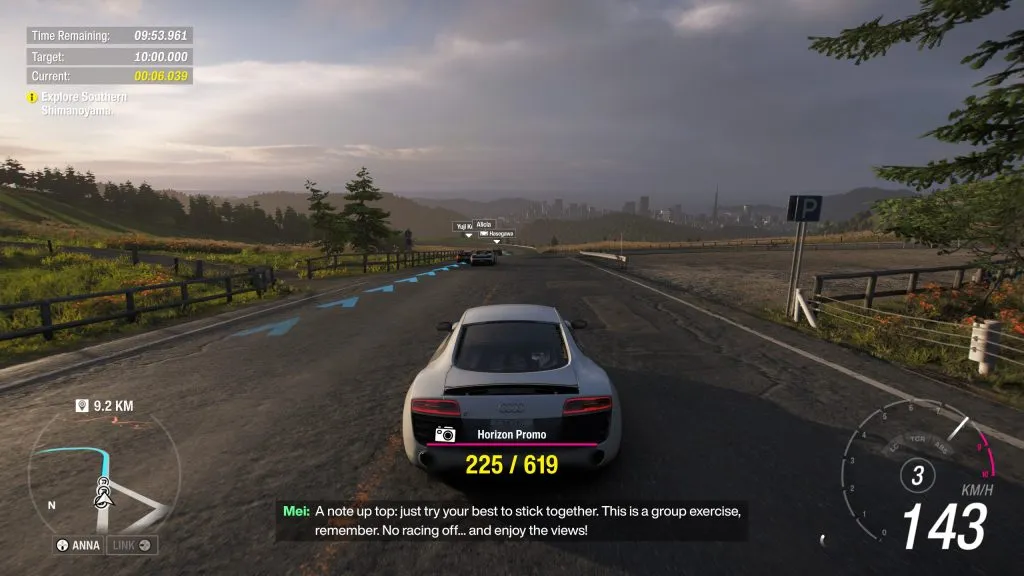
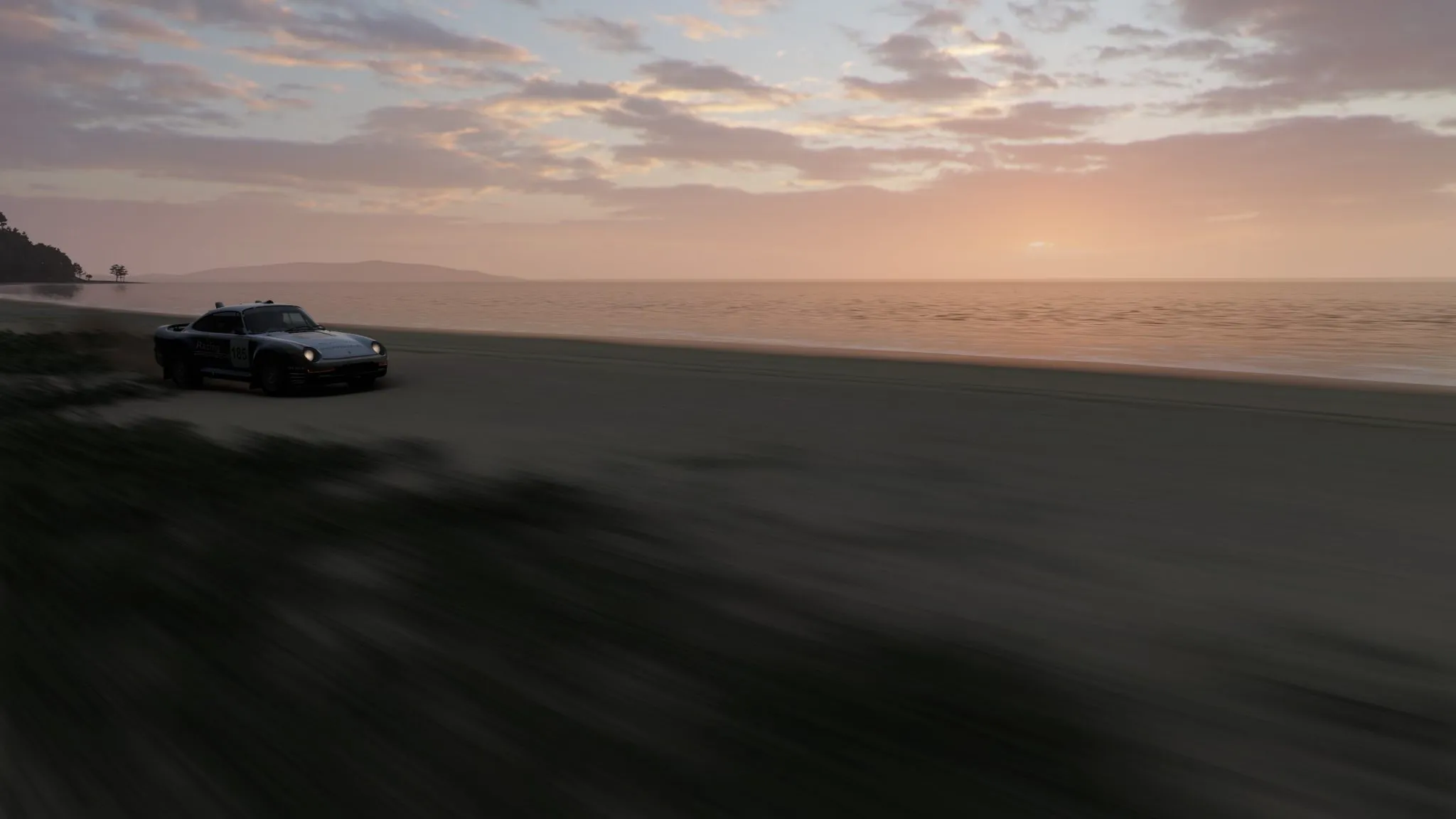
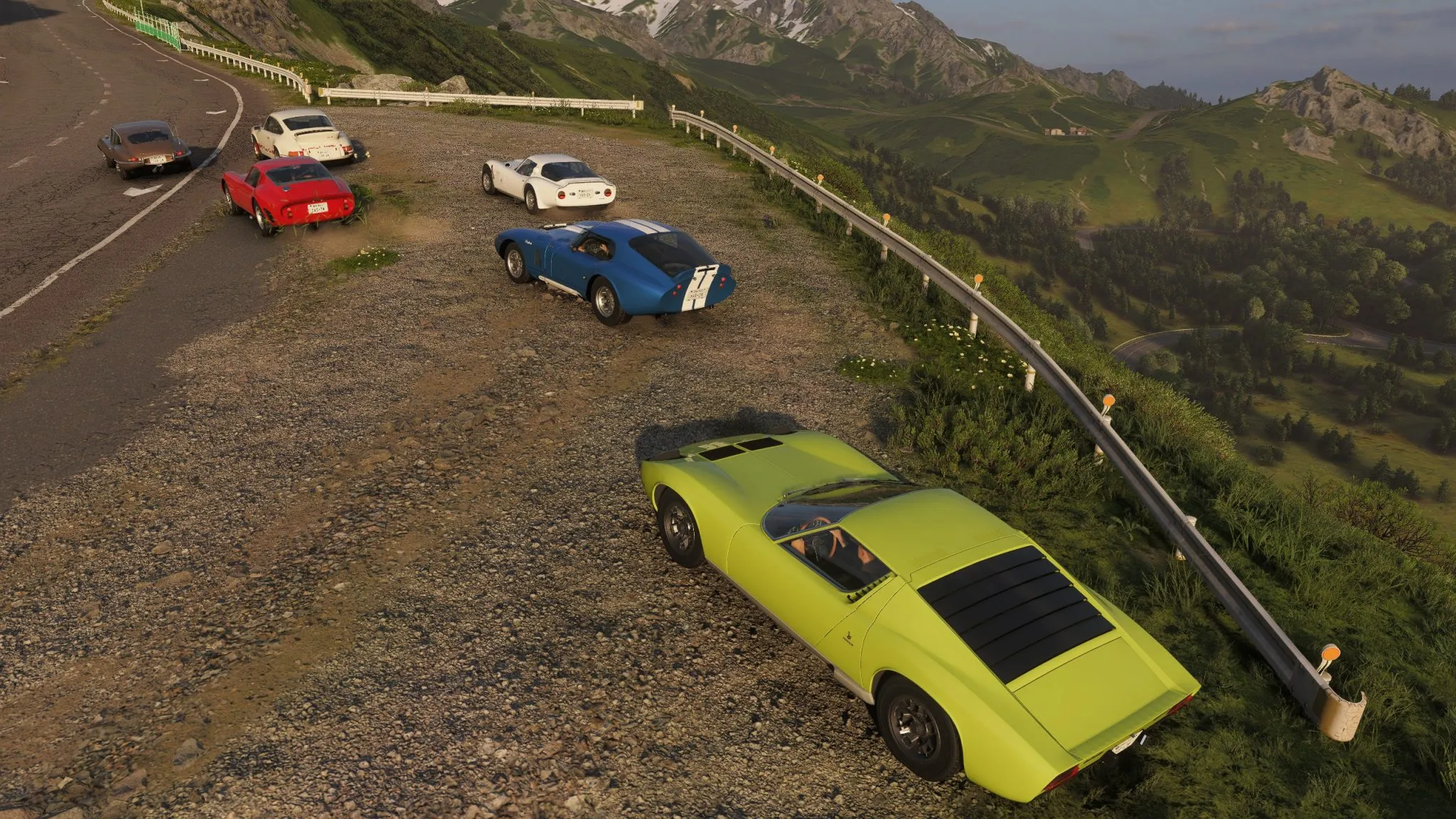
There are many small improvements that make Forza Horizon 6 a better package, though it isn’t quite as “packed” with content as its predecessors, whose development cycles have come to a virtual end. For example, the steering wheel now turns through its full range of motion depending on the car model, while the sound remains exemplary, especially if you decide to floor it inside one of the game’s many tunnels. However, there are also some drawbacks centred on the gameplay and the overall package. As I mentioned in my review of Admiral, there are three main flaws in terms of gameplay. First, the difficulty—though customisable and having no impact other than on the credits earned—results in an AI that “cheats.” To be competitive on the “Expert” level, you’ll need to heavily upgrade your cars, essentially maxing out their rating in their respective class (e.g., “A class” cars must have a score of 700). So far, so good, but that’s not enough in certain races—especially toward the end of the game—where the AI, driving track cars, ends up driving them with the wheels locked to the road, entering hairpin turns at 300 km/h. Even on the lowest difficulty level, I had a hard time winning a specific race because of this quirk in the AI, while in all the others I left the AI drivatars 2–3 seconds behind. The second, minor, negative point has to do with the UI, especially for completionists. FH6 is a feast for the eyes, and its Photo Mode is a game in itself, with framing landscapes and cars being a real delight. It would be helpful—since this is part of an optional mission—to see which cars we own that we haven’t photographed yet, a feature that was present in previous titles. Third, the game should place greater emphasis on car tuning. This mode existed as a “story” in FH5, designed to help players get familiar with the basics of car tuning; perhaps something similar and imaginative is needed here.
In closing, I’ll note that a major drawback of Forza Horizon 6 is its price. Xbox Game Pass offers only the base version of the game, which costs ~70€ on Steam—not counting the extra DLCs (the Ultimate Edition costs an additional ~€60 and includes two upcoming expansions along with Car Packages and VIP membership). It’s a fair question whether such an investment is worth it. The truth is that for those who have caught the “car bug,” Forza Horizon 6 offers yet another open-world experience that will provide you with plenty of (three-digit) hours of fun. It’s an excellent package with free content updates and ongoing support, even if you choose not to buy any expansions. For everyone else—like the two friends with whom I had those wonderful conversations—it might be a good idea to try the demo at the first opportunity to see if what it offers is enough to make up for what you might expect it to have.
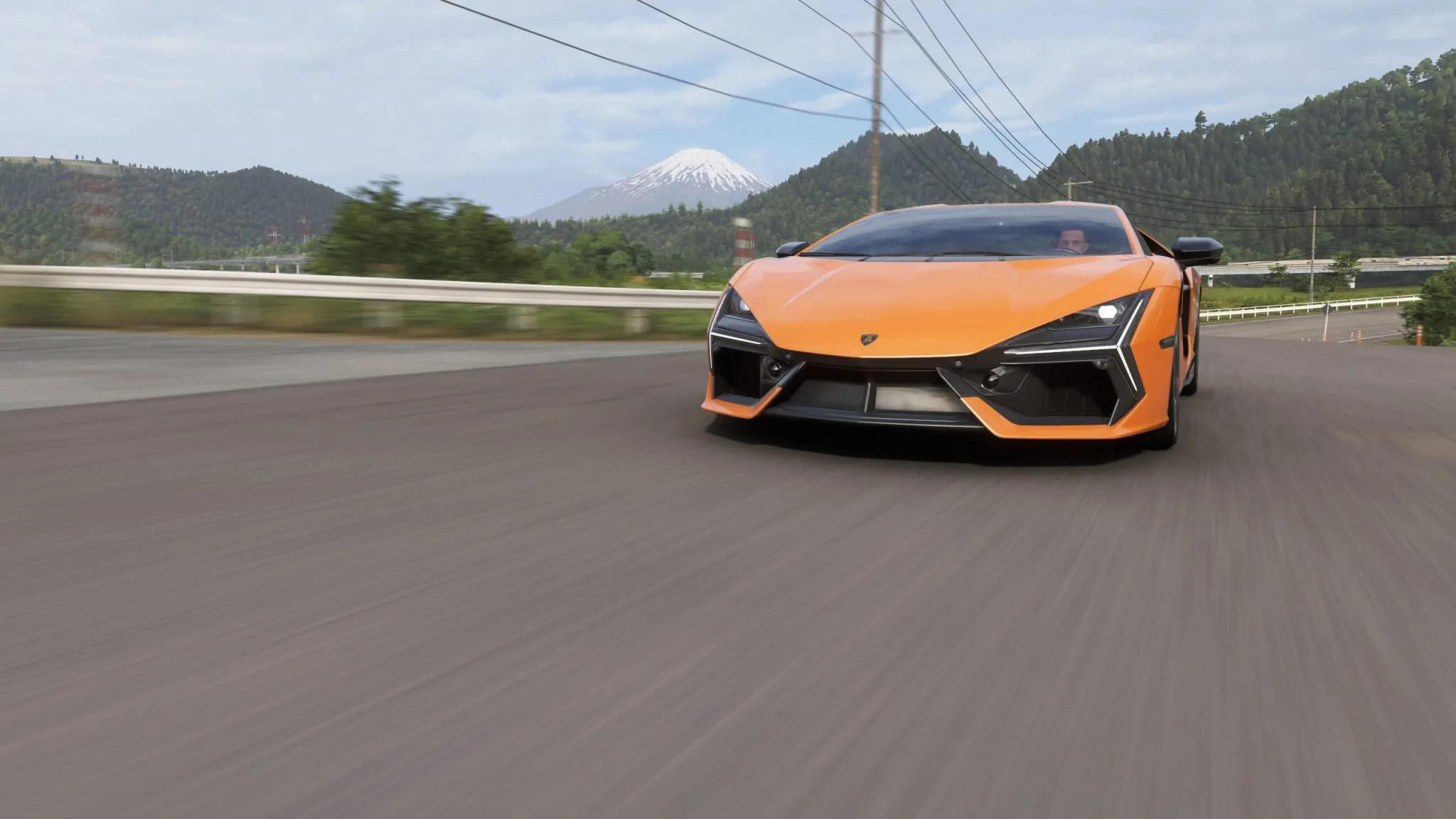
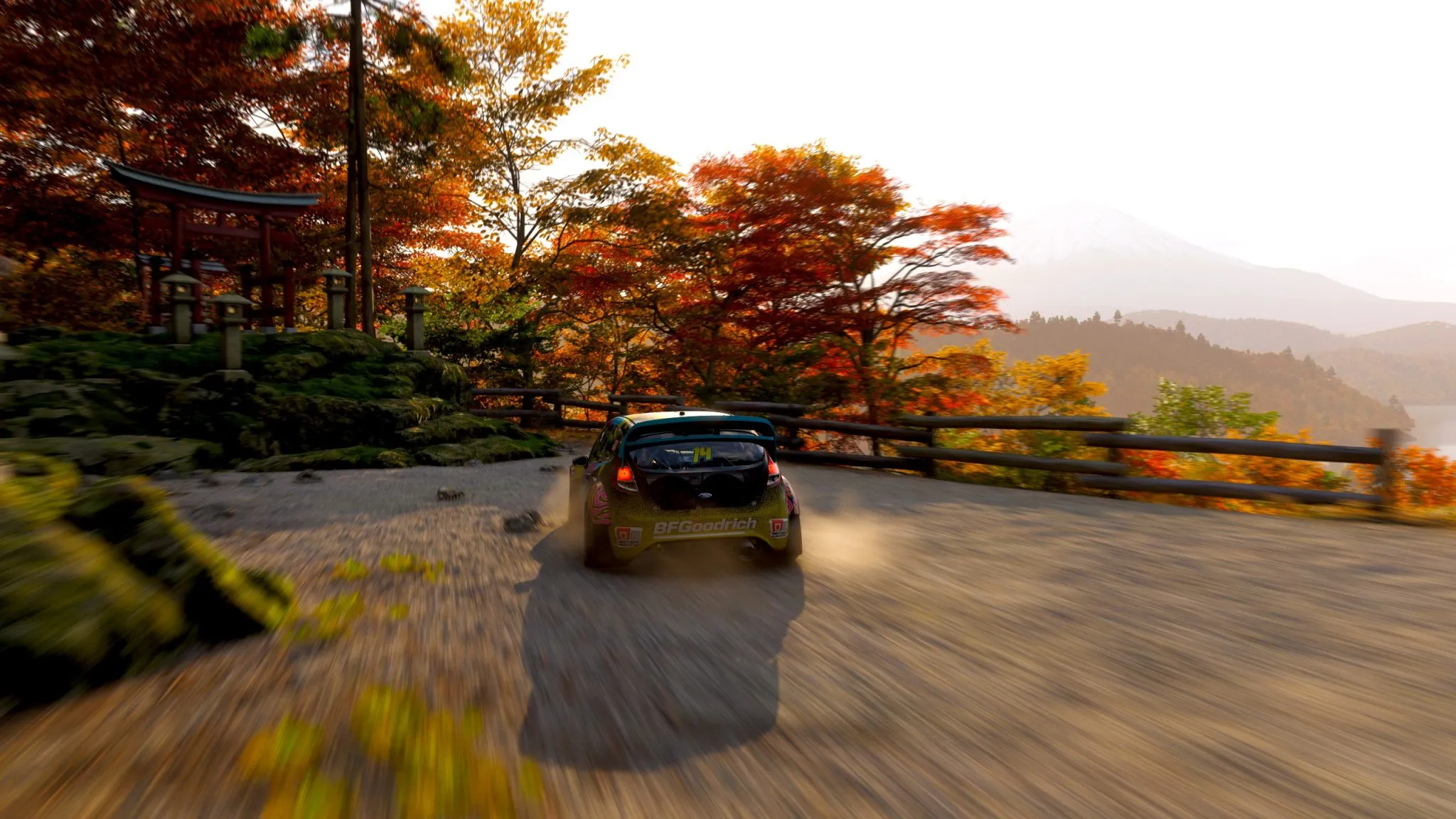
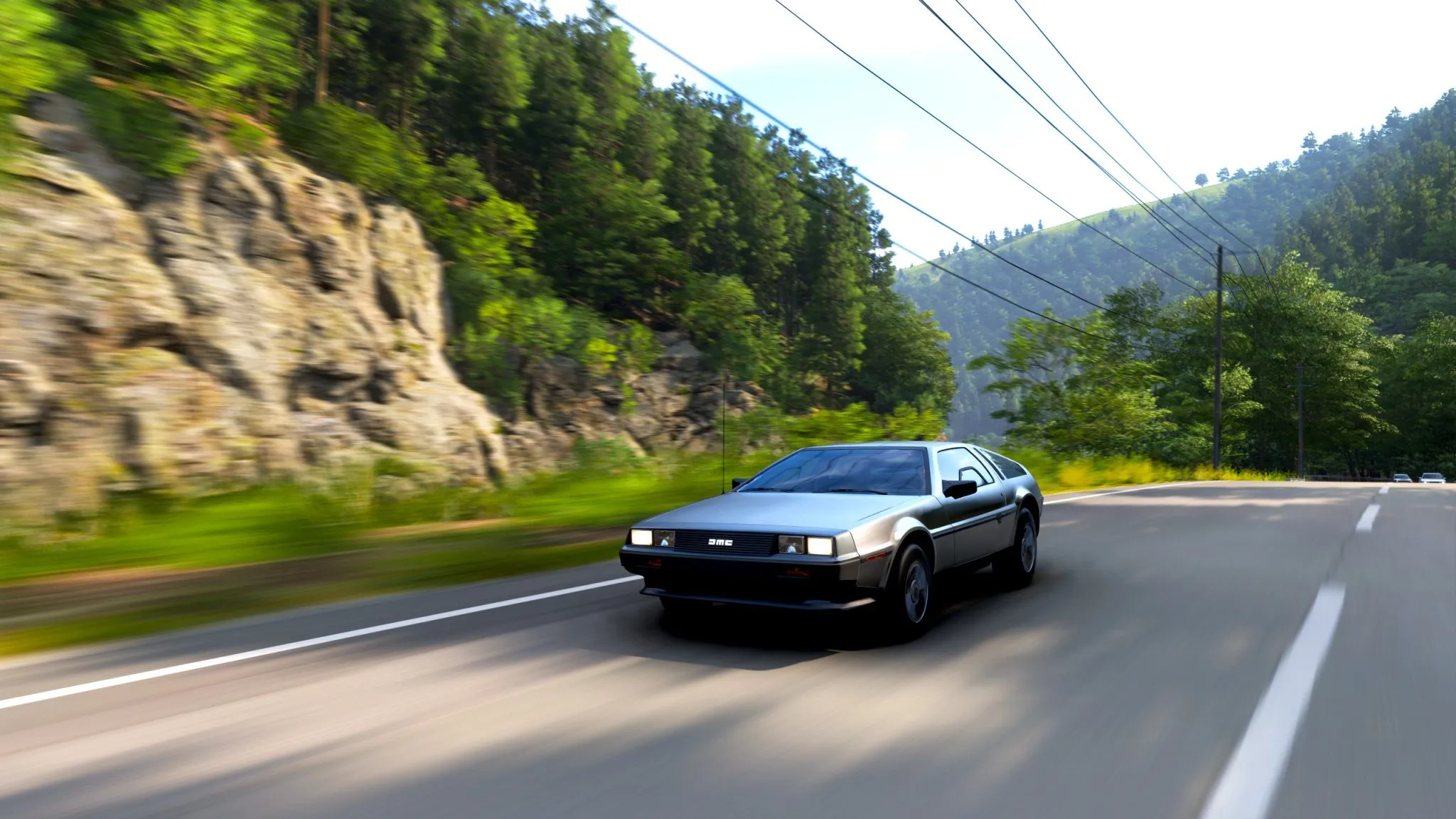
With Mt. Fuji on the horizon.
RATING - 95%
95%
Chesuto!
Without straying from the tried-and-true formula, Forza Horizon 6 is a complete package wrapped in a Japanese ribbon.