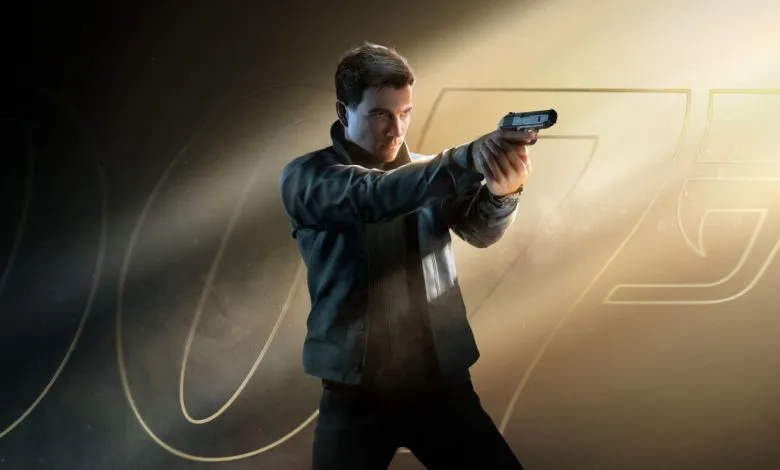

James Bond is one of the most recognizable figures in pop culture, with decades of appearances in film, literature, and video games. Although the British agent has had a limited presence in the gaming world in recent years, the announcement of 007 First Light by IO Interactive immediately captured the public’s interest. And rightly so, as the Danish development studio, known for the beloved Hitman series, has made it clear that it knows exactly how to handle games of this style, which offer, among other things, multiple options for approaching each objective.
Unlike most previous productions, 007 First Light does not draw inspiration from an existing film or novel. Instead, it chooses to tell an original story, focusing on the early days of a young Bond, before he evolves into the legendary agent we all know. Although this isn’t the first time we’ve witnessed such a story (Casino Royale says hi), we found this choice to be a good one, and it marks a prime opportunity for a slight redefinition of the hero (something we more or less expect to happen on the big screen as well). Among other things, rewriting Bond’s story from scratch allows the creators to move with greater freedom, presenting an unripe protagonist who does not yet possess the experience of a seasoned agent (and therefore makes mistakes), but clearly shows signs that he is a man born for this job.
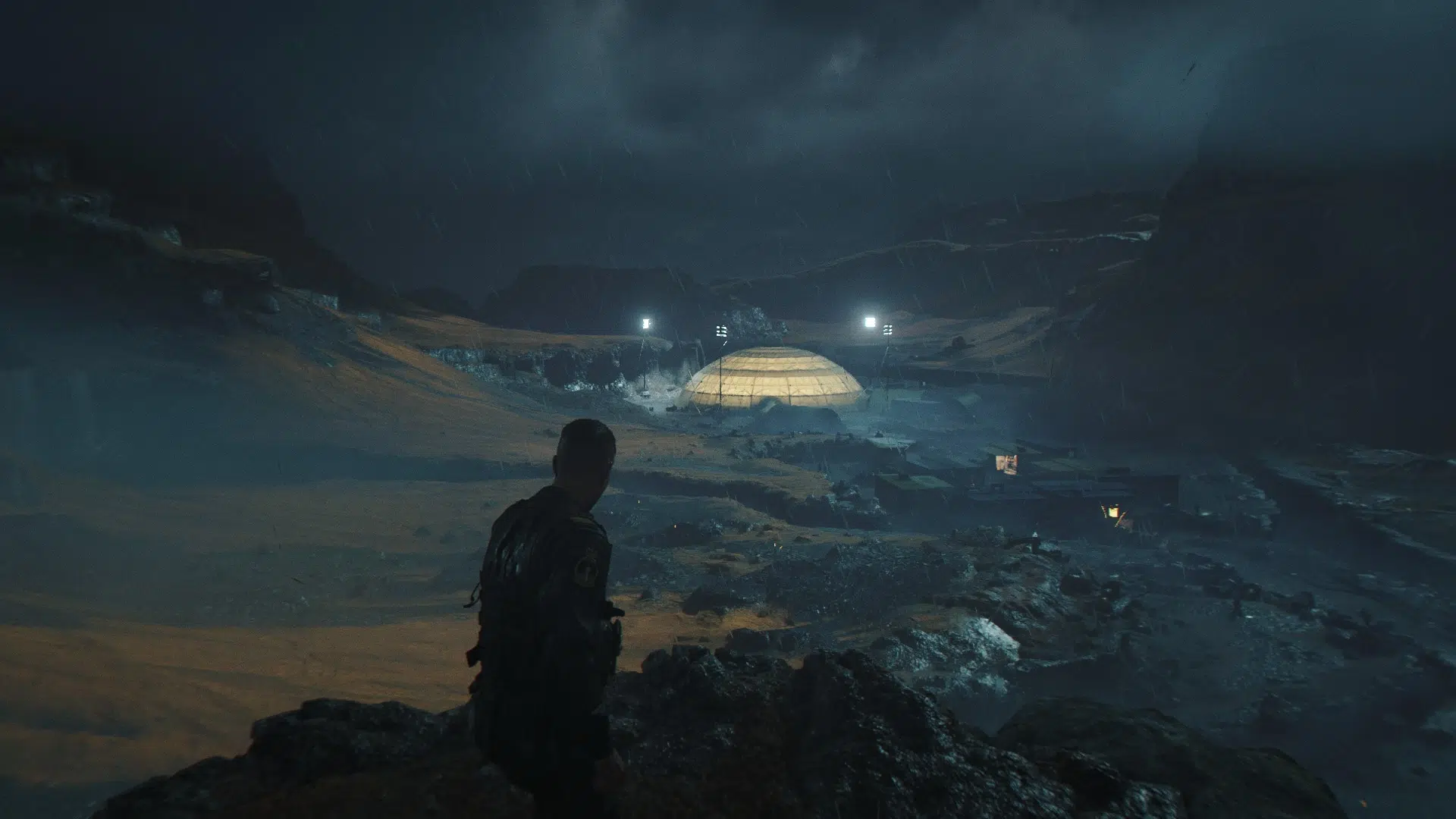
The story of 007 First Light begins with Bond not (yet) working for MI6 and taking on a seemingly simple mission in Iceland. Of course, things turn out much worse than anyone could have expected, with Bond ultimately surviving the disaster and being recruited by the Secret Intelligence Service as a promising agent. As expected, the incident in Iceland was not a coincidence, as everything is connected under a dark veil of conspiracy involving very powerful figures, beyond all suspicion. In the familiar style of James Bond films, the usual clichés are all present: double agents, paranoid leaders, political intrigues, and dangerous paramilitary organizations operating behind the scenes.
The script proves to be highly effective, featuring several interesting twists, and of course, it’s packed with spectacular explosions, ethereal women, and thrilling chases. The screenwriters at IO Interactive have done such a great job that you feel like you’re watching an epic James Bond movie, lasting about 15–17 hours. Sure, there was room for improvement, especially in the development of certain secondary characters who remain underutilized; nevertheless, 007 First Light is one of those single-player experiences that keeps the player engaged until the story’s conclusion.
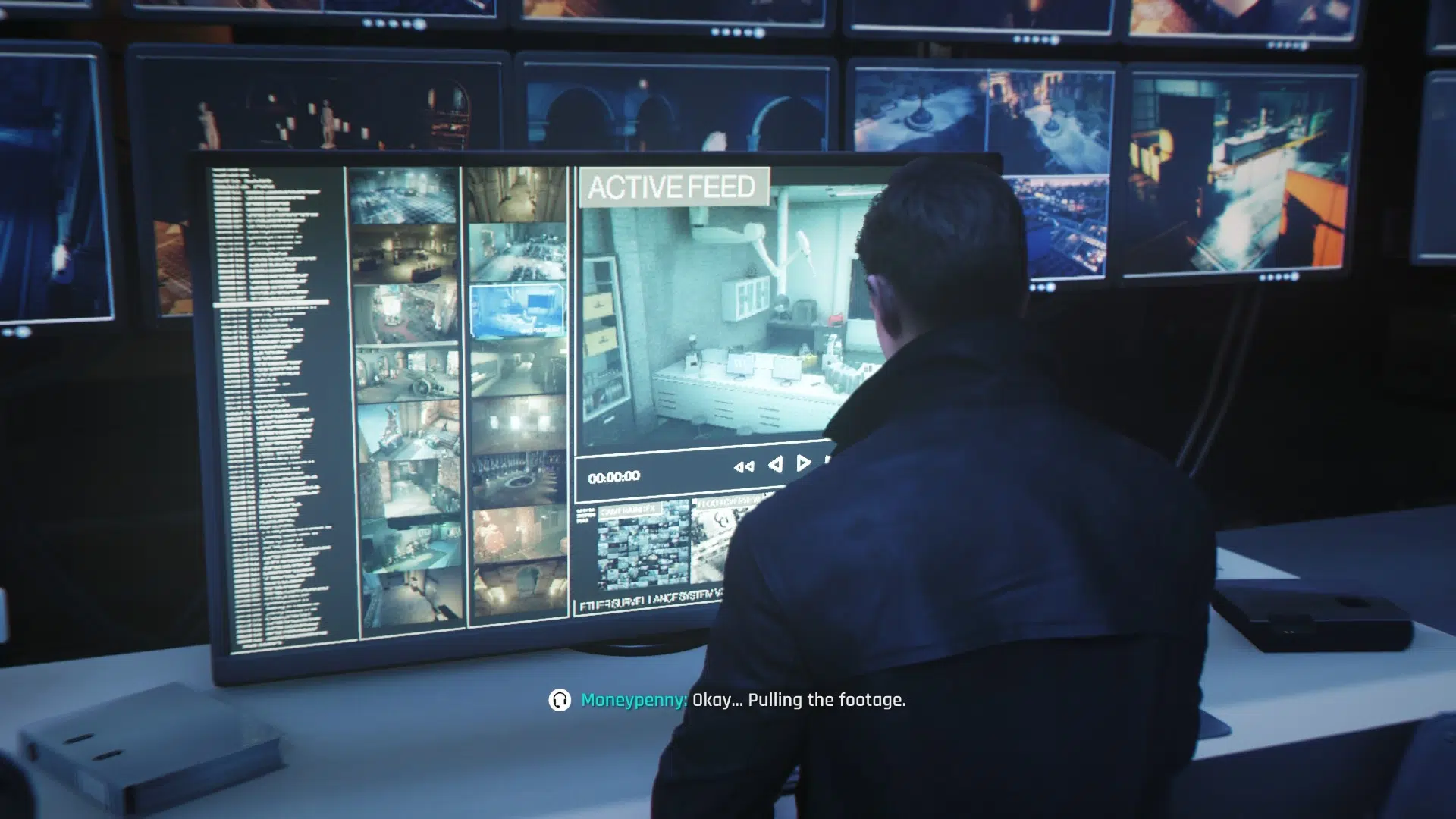
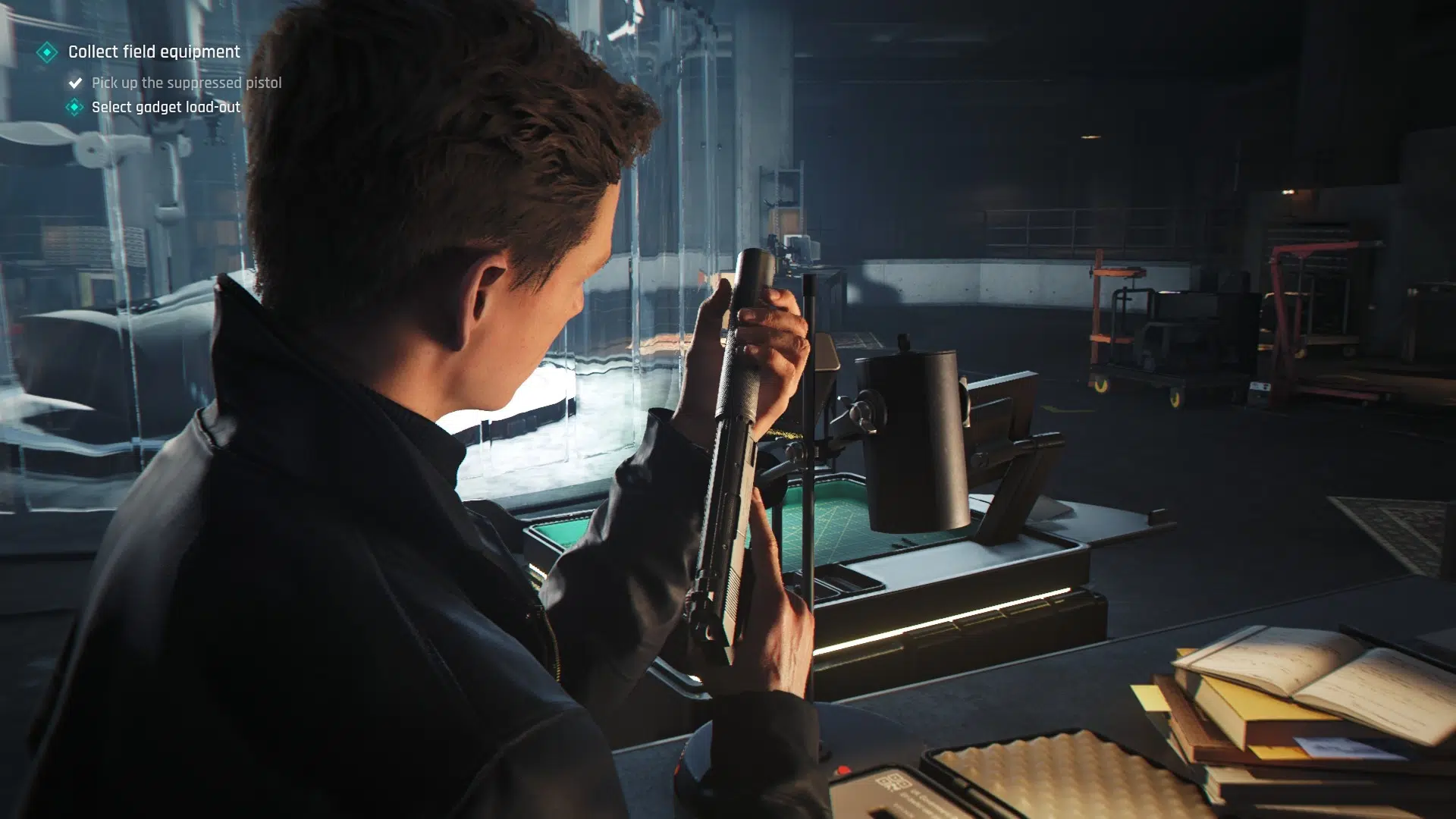
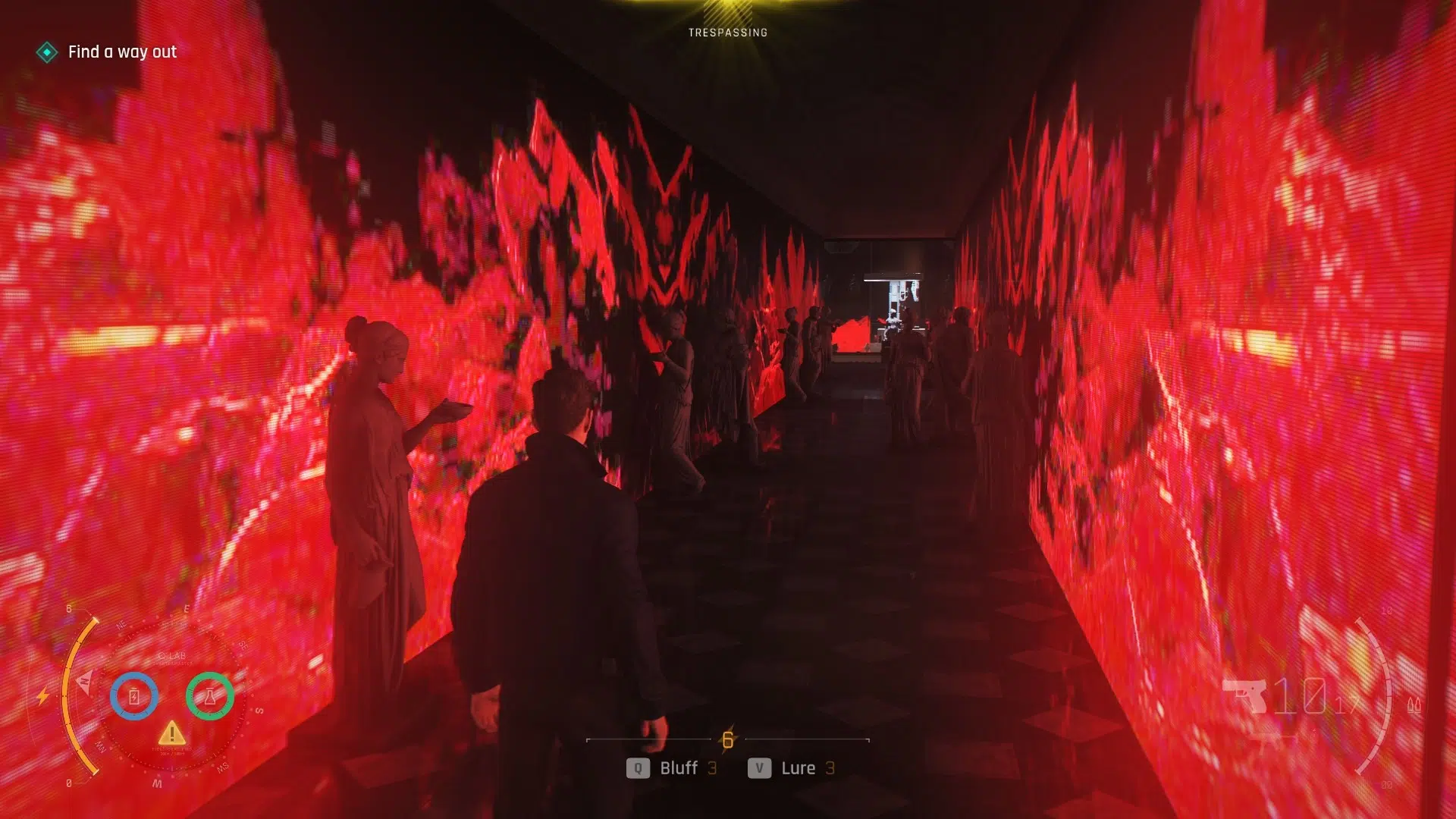
However, the storyline isn’t the only standout feature of 007 First Light. On the contrary, IO Interactive has leveraged its experience with the Hitman series to deliver a similar style of gameplay. Most aspects of the game scream "Hitman," with mission design offering multiple paths and different ways to tackle each target. Bond relies primarily on his wits and sharp tongue, whether by assuming various roles or simply bluffing, while thanks to the equipment provided by the agency, he has some very interesting gadgets in his arsenal (courtesy of Q) to help him further. The main difference from the bald agent is that Bond fares much better in close-quarters combat.
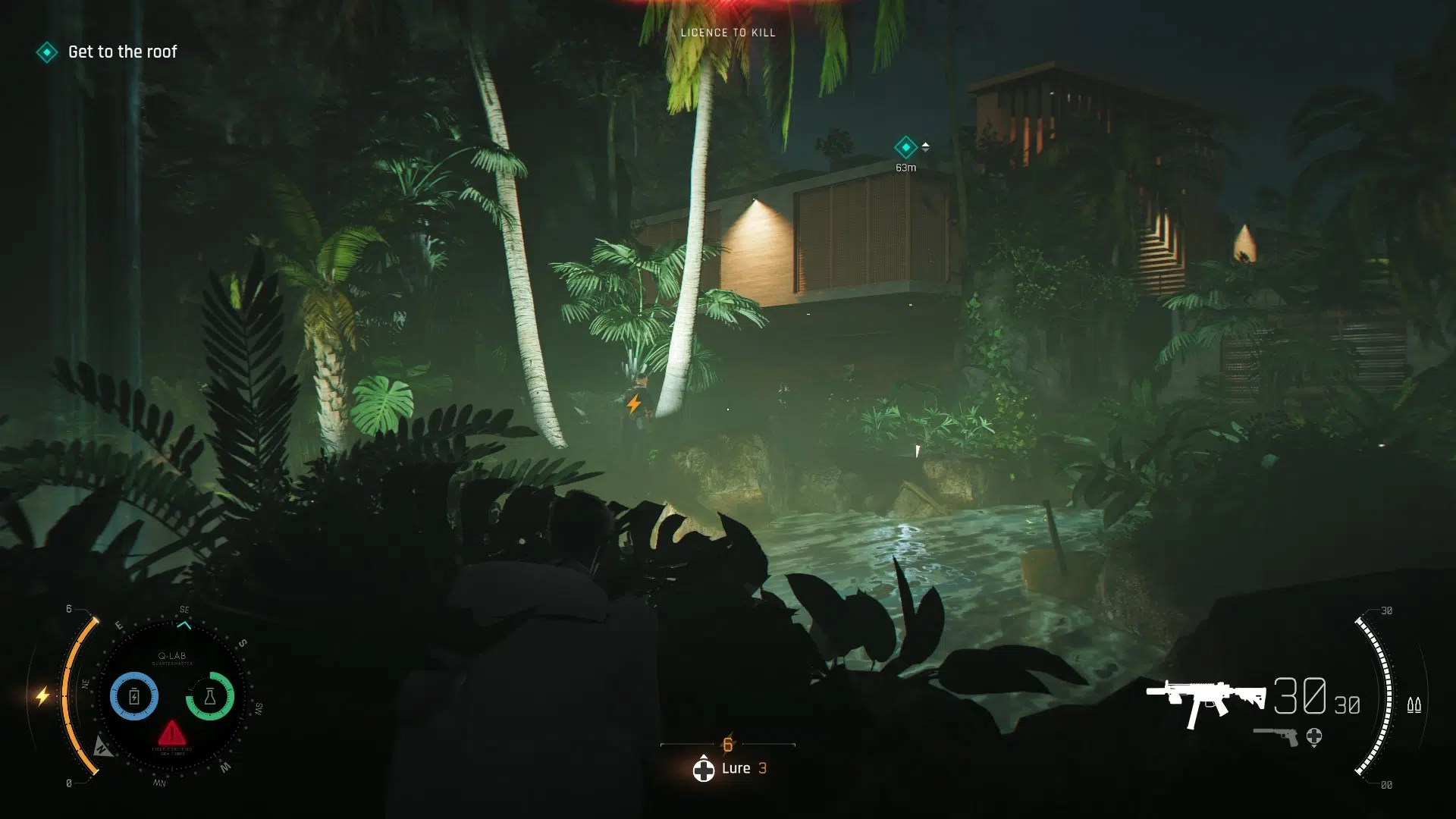
In a combat system that’s somewhat reminiscent of the old Batman Arkham games, as well as Naughty Dog’s Uncharted series, Bond is a highly capable agent, with martial arts moves and grips that even the fittest athlete would envy. In addition, Bond has access to a wide range of weapons, with the important caveat that their use is a last resort. Consequently, Bond can only use his weapons when the “License to Kill” command appears, which happens only when his life is directly threatened by enemies who have him in their sights.
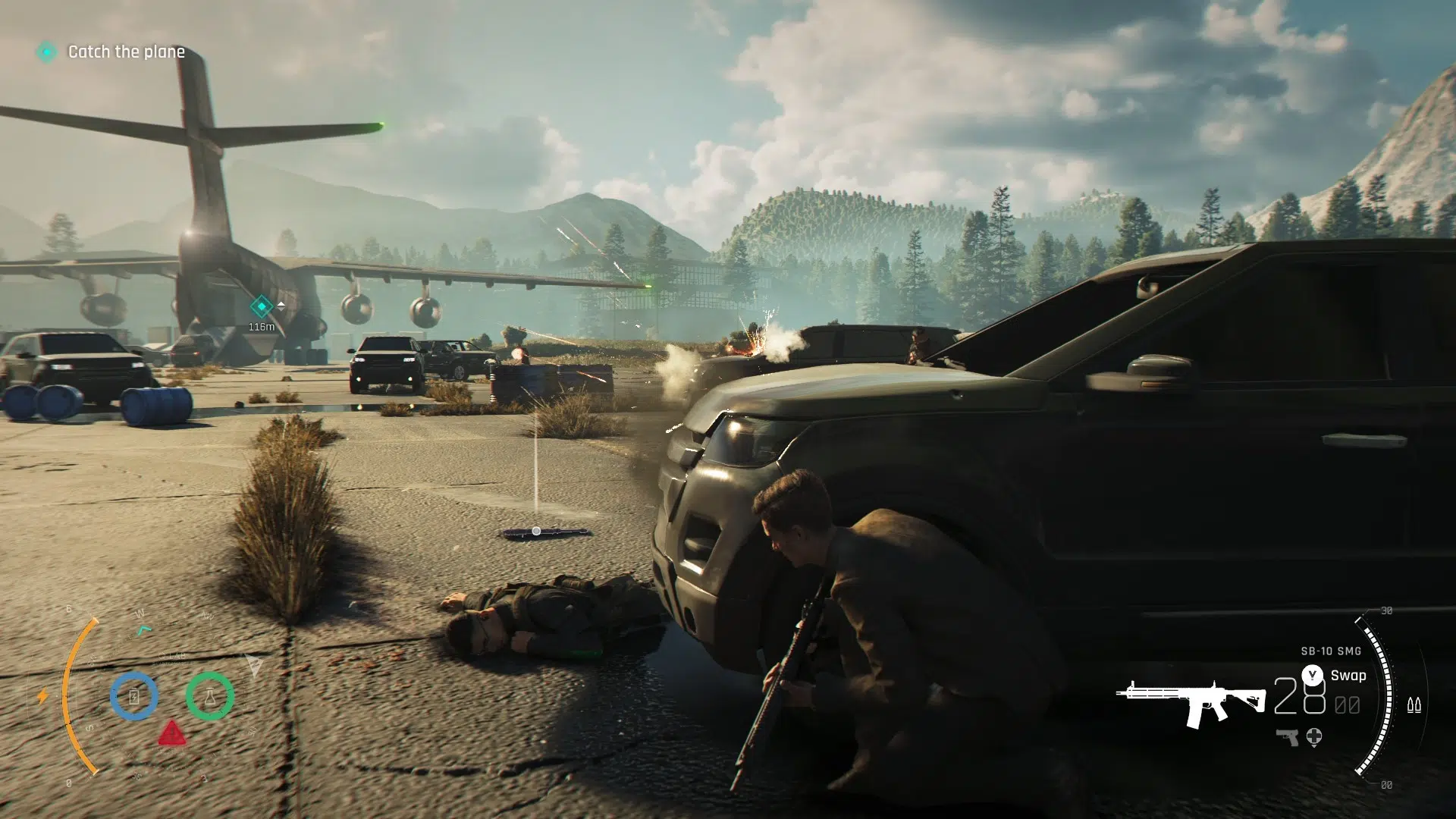
In any case, however, the game masterfully avoids becoming a simple third-person shooter. Except for those moments when only weapons can “speak,” a stealthy approach is always preferable. Consequently, we must observe the environment for any openings that will allow us to infiltrate a guarded area, gather intelligence from documents and laptops or by eavesdropping on conversations, and exploit our opponents’ weaknesses —or even “create” those weaknesses (thanks to our gadgets). The game doesn’t penalize an “all-guns-blazing” approach; in fact, we’d say it’s quite flexible in that regard (except for the limited ammo supply), however, there are many times when the number of enemies is such that it’s safer to play by the rules of the “cunning” agent.
Of course, none of this means there’s a lack of action. The impressive chase scenes, the extended firefights, and the over-the-top cinematic sequences are plentiful, offering the necessary respite between the more “methodical” parts of the adventure. The gamble that IO Interactive wins is that the shift in pace between action and methodical gameplay happens smoothly, without creating the sense that the game sacrifices its identity on the altar of spectacle. While most of its spectacular action sequences are largely scripted, they are so well integrated into the game’s gameplay that they do not leave a negative impression.
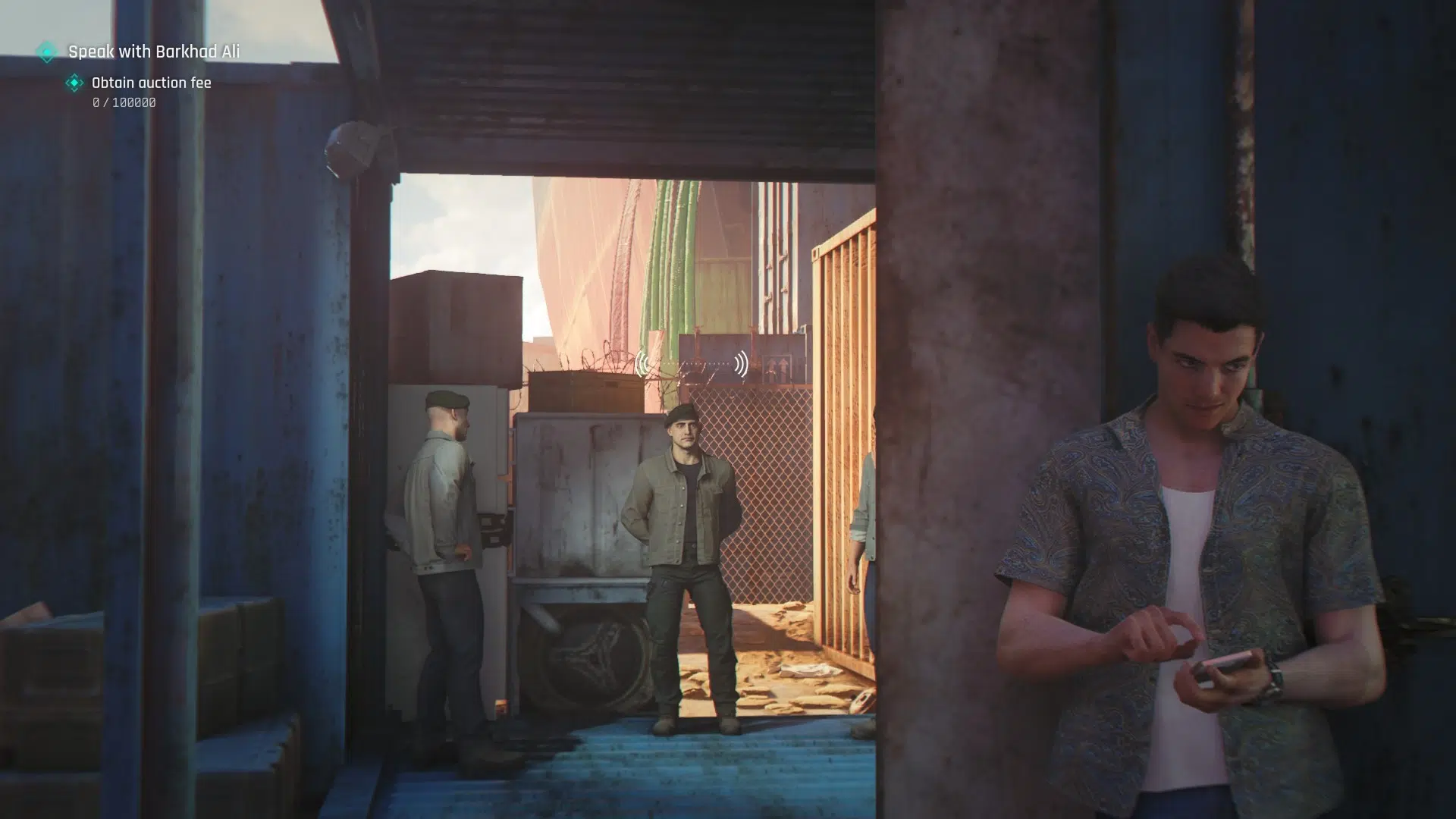
However, if there’s one thing that significantly undermines the game’s realism, it’s the enemies’ AI, which—whether in stealth mode or in combat—is subpar. This may make things easier for the player, as it’s clear that the game is primarily aimed at pure fun rather than challenging the player like a hardcore stealth game, but there are moments when this “silliness” becomes annoying. For example, there might be a commotion from punches and kicks in one corner of the room, yet the enemies in the opposite corner—since the fighting isn’t happening within their field of view—don’t notice a thing. Or, for example, a shelf full of metal objects crashes to the floor—making a terrifying noise—and the guard ten meters away completely ignores the incident. There are dozens of such instances, and these are the kinds of things we’d like to see improved in a future sequel.

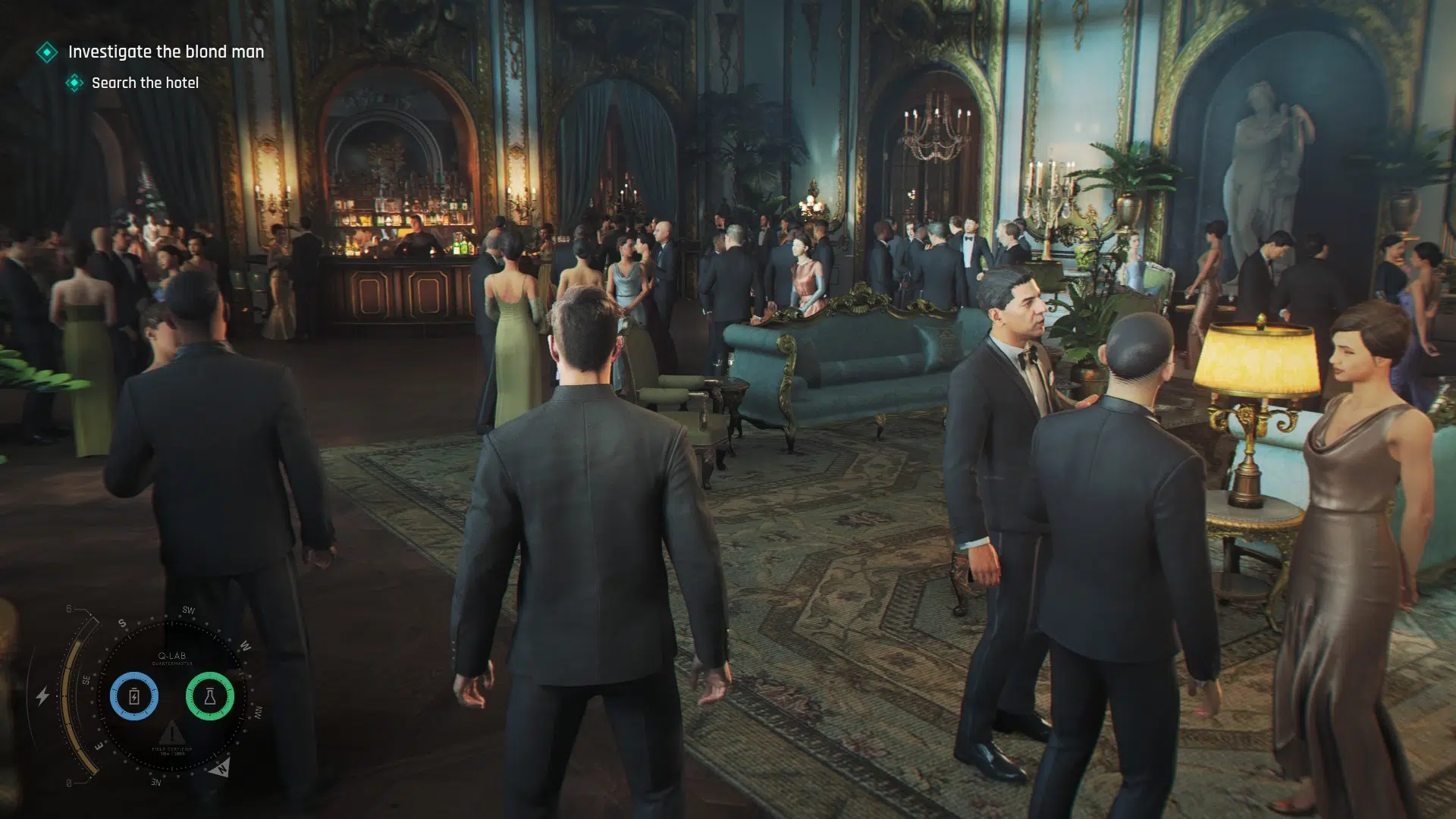
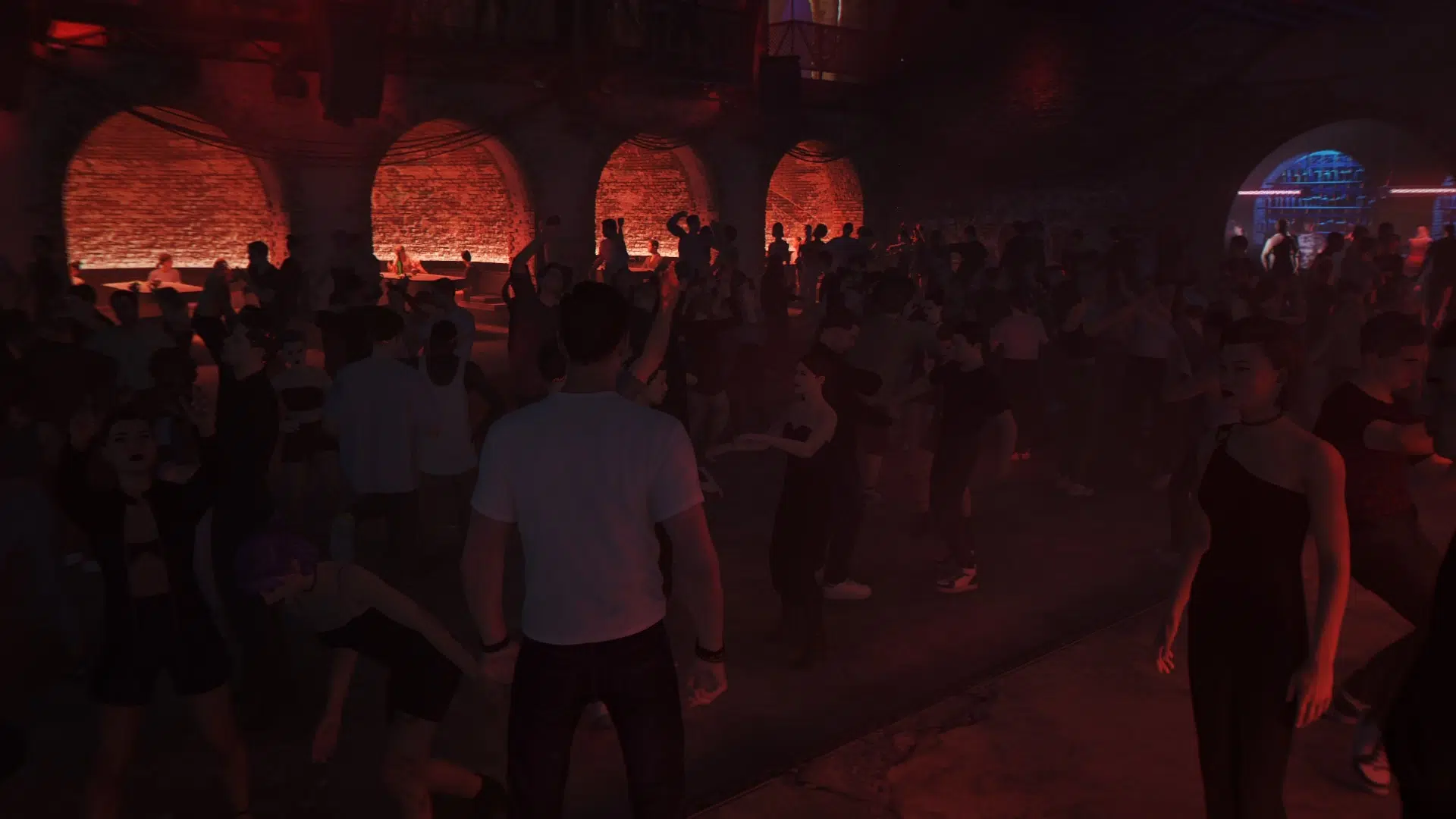
Moving on to the technical aspects, we’d say that 007 First Light is quite impressive. Especially in terms of environmental rendering, the game gets top marks, as it exudes the feel of a blockbuster production: from luxurious hotels and state-of-the-art facilities to isolated bases in exotic (or not-so-exotic) parts of the world. The presence of celebrities like Lenny Kravitz as Bawma and Lana Del Rey’s contribution to the game’s main theme show that IO Interactive left nothing to chance. The rest of the cast is definitely a plus, with Patrick Gibson as the young James Bond being a spot-on choice, as well as Kiera Lester as Moneypenny (in a very mature performance), with no one generally falling short.
In summary, 007 First Light is one of the most pleasant surprises of recent years and, without a doubt, a successful return for James Bond to the gaming world. Fully aware of the weight of the name he carries, IO Interactive retains the key elements of the hero that made him famous, redefining him without undermining him, while offering compelling gameplay that will satisfy fans of action games with a strong cinematic flair.



RATING - 80%
80%
Not stirred, shaken
A remarkable cinematic game that will delight James Bond fans as well as action enthusiasts.